Best Free Gym Workout Apps in 2026: Top Picks Compared
Gym App Matcher
Answer three quick questions to find the perfect free workout tracker from our top 2026 picks.
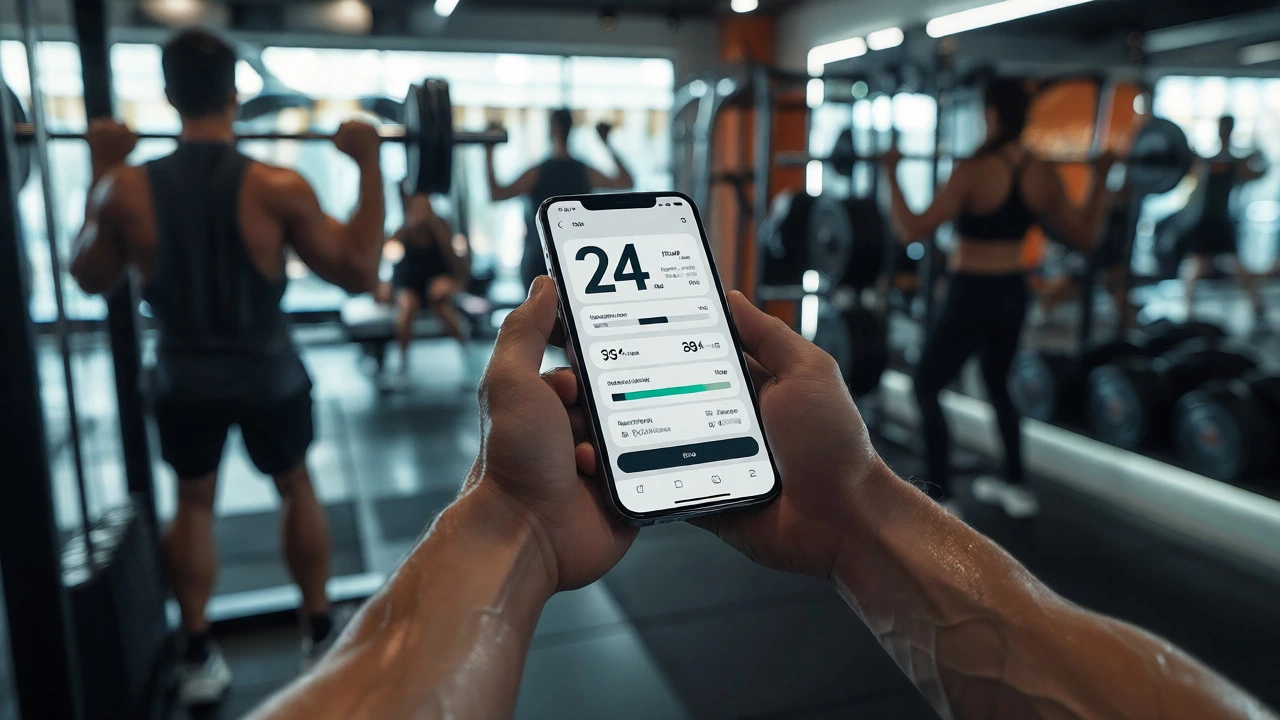
You walk into the gym, pull out your phone, and open a free gym workout app. Ten minutes later, you’re still scrolling through ads, trying to figure out if the "premium" plan is actually needed for a simple squat routine. Sound familiar? Most people think "free" means "limited," but in 2026, several apps offer genuinely robust features without asking for a credit card upfront. The trick isn't finding an app with zero cost; it's finding one that doesn't nag you every five seconds or hide critical tracking data behind a paywall.
We tested the top contenders over three months of actual lifting sessions. We looked at interface speed, offline capabilities, and how well they handle progressive overload-the single most important factor in getting stronger. Here’s what actually works when you’re sweating on the bench press and don’t want to fiddle with settings.
Nielsen’s JEFIT: Best for Serious Lifters Who Want Data
If you care about numbers, JEFIT is a comprehensive bodybuilding and strength training application that offers detailed workout logging and community-driven routines. Unlike simpler apps that just tell you "do 10 reps," JEFIT lets you build custom programs from scratch. You can import existing spreadsheets, which is a lifesaver if you’ve been using Excel since 2015. The free version allows unlimited workout logs, which is rare these days. Many competitors cap you at three active routines unless you pay.
The database includes over 1,400 exercises with video demonstrations. While some premium videos are locked, the core library covers all major compound movements-squats, deadlifts, bench presses, and overhead presses. The interface is cluttered compared to newer rivals, but for powerlifters or bodybuilders who need to track rest times, tempo, and RPE (Rate of Perceived Exertion), it’s unmatched in the free tier. The main downside? The ad frequency. Expect a 30-second video ad after every completed set unless you buy the Pro version. If you have headphones, this is manageable. If not, it’s annoying.
Hevy: The Modern Minimalist Choice
Hevy is a sleek, social-focused workout tracker designed for simplicity and speed, gaining popularity among younger lifters for its intuitive design. Hevy strips away the noise. No confusing menus, no overwhelming stats dashboards right off the bat. You select an exercise, enter your weight and reps, and hit done. It syncs instantly across devices, so you can start a log on your phone and finish it on your tablet at home.
What makes Hevy stand out in 2026 is its social integration. You can follow friends, see their workouts in real-time, and even like their sets. This gamification element helps consistency. If your buddy posts a PR on squats, you’re more likely to show up tomorrow. The free version limits you to four active workout plans. For most beginners, that’s plenty. But if you rotate between push/pull/legs and full-body splits frequently, you might hit that ceiling quickly. Still, the user experience is so smooth that many users accept the limit rather than switch apps.
Strong: Precision Tracking Without the Bloat
Strong is a minimalist strength training app focused on clean data entry and automatic rest timers, favored by users who prioritize efficiency over social features. Strong has been around for years, and it remains a favorite for those who hate fluff. The free version allows three custom workouts. That’s it. Three. But within those three slots, you get powerful tools. The timer starts automatically when you finish a set, and you can adjust rest periods per exercise type. Need longer rests for heavy squats? Set it to 3 minutes. Shorter for curls? Set it to 60 seconds.
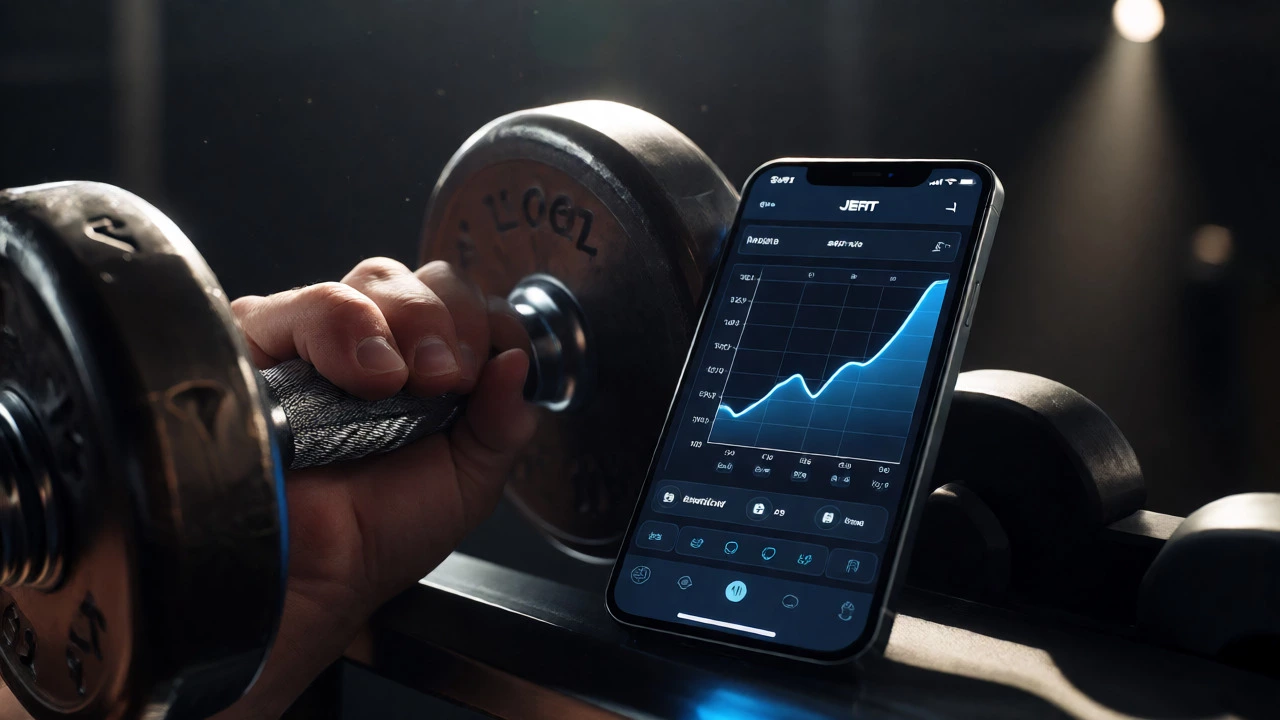
The charts feature is surprisingly good for a free tool. You can view volume trends over time, helping you spot plateaus before they happen. However, Strong lacks built-in exercise guides for complex movements. If you don’t know how to perform a Bulgarian Split Squat, you’ll need to look it up elsewhere. It assumes you already know your program. It’s not a coach; it’s a digital notebook. And for experienced lifters, that’s exactly what they want.
Fitbod: AI-Driven Workouts for Beginners
Fitbod is an adaptive fitness app that uses machine learning algorithms to generate personalized workout plans based on available equipment and recovery status. Fitbod takes a different approach. Instead of building your own routine, you let the algorithm do it. You input your gym’s equipment list (e.g., "I have dumbbells up to 50kg, a bench, and a cable machine"), and Fitbod builds a session for you. It adjusts weights based on your previous performance and estimated fatigue.
The free trial is generous, offering a few complete workouts to test the system. After that, you need a subscription for unlimited access. However, the initial value is high because it removes decision fatigue. Do you know what to do today? With Fitbod, you just open the app and go. It’s ideal for people who struggle with planning. The downside is control. Powerlifters often dislike how the AI picks accessories, sometimes choosing isolation exercises that aren’t relevant to their goals. Use it for general fitness, not specific strength peaks.
| App Name | Free Tier Limits | Best For | Offline Mode | Ad Intrusiveness |
|---|---|---|---|---|
| JEFIT | Unlimited logs, limited routines | Data-heavy lifters | Yes | High (Video ads) |
| Hevy | 4 active plans | Social motivation & Simplicity | Yes | Low (Banner only) |
| Strong | 3 custom workouts | Experienced lifters | Yes | None |
| Fitbod | Limited workouts (Trial) | Beginners needing guidance | No (Requires sync) | Medium |

How to Choose the Right App for Your Goals
Picking the wrong app leads to frustration. If you’re a beginner who needs structure, JEFIT’s complexity will overwhelm you. If you’re an advanced lifter who wants social validation, Strong feels too sterile. Here’s a quick heuristic:
- Choose JEFIT if: You love spreadsheets, want to track every micro-detail, and don’t mind ads. It’s the closest thing to a free professional-grade tool.
- Choose Hevy if: You want a modern interface, enjoy sharing progress with friends, and stick to a consistent split.
- Choose Strong if: You know exactly what you’re doing, hate distractions, and need reliable timing.
- Choose Fitbod if: You hate planning workouts and want the app to decide for you based on your last session.
One common pitfall is switching apps too often. Data fragmentation kills progress. If you switch from Hevy to Strong every month, you lose historical context. Pick one, commit for six months, and export your data regularly just in case.
Common Pitfalls with Free Fitness Apps
Even the best free apps have traps. First, watch out for "dark patterns." Some apps make it hard to cancel subscriptions or bury the "skip ad" button until the last second. Always check the cancellation policy before signing up for a trial.
Second, privacy concerns are rising. In 2026, data regulations are stricter, but many apps still sell anonymized usage data to third parties. If you’re logging health metrics like heart rate or sleep, read the privacy policy. Look for apps that store data locally first, then sync to the cloud. This gives you ownership if you ever leave the platform.
Finally, don’t rely solely on the app’s suggested weights. Algorithms are smart, but they don’t feel your joints. If the app says add 5kg to your deadlift but your lower back screams otherwise, listen to your body, not the code.
Is there any truly completely free gym app with no ads?
Very few. Most "free" apps operate on a freemium model where ads support the service. Strong comes close to being ad-free in its free tier, but it severely limits the number of saved workouts. If you absolutely cannot tolerate ads, you may need to pay for a subscription or use a basic spreadsheet template instead.
Can I use these apps without internet connection?
Yes, JEFIT, Hevy, and Strong all offer robust offline modes. They save your workout data locally on your device and sync it once you reconnect to Wi-Fi or mobile data. Fitbod requires an initial online connection to generate the workout, so it’s less reliable in gyms with poor signal.
Which app is best for tracking progressive overload?
JEFIT and Strong are superior for this. They provide clear graphs showing volume increases over time and suggest weight increments based on your history. Hevy shows progress but is less analytical. Fitbod automates it but gives you less control over the specific increment size.
Do these apps work for home workouts too?
Absolutely. All listed apps allow you to customize equipment lists. If you only have resistance bands or dumbbells, you can filter the exercise database accordingly. Fitbod is particularly useful here as it adapts the entire plan to your limited home setup.
Is my data safe if I stop paying or delete the app?
It depends on the app. JEFIT and Strong allow CSV exports, which is crucial. Hevy also supports data export. Before deleting any app, always export your workout history. Once you uninstall, retrieving past data can be difficult or impossible depending on the company’s retention policies.