How to Lose 20 Pounds in a Month: Realistic Steps and Risks
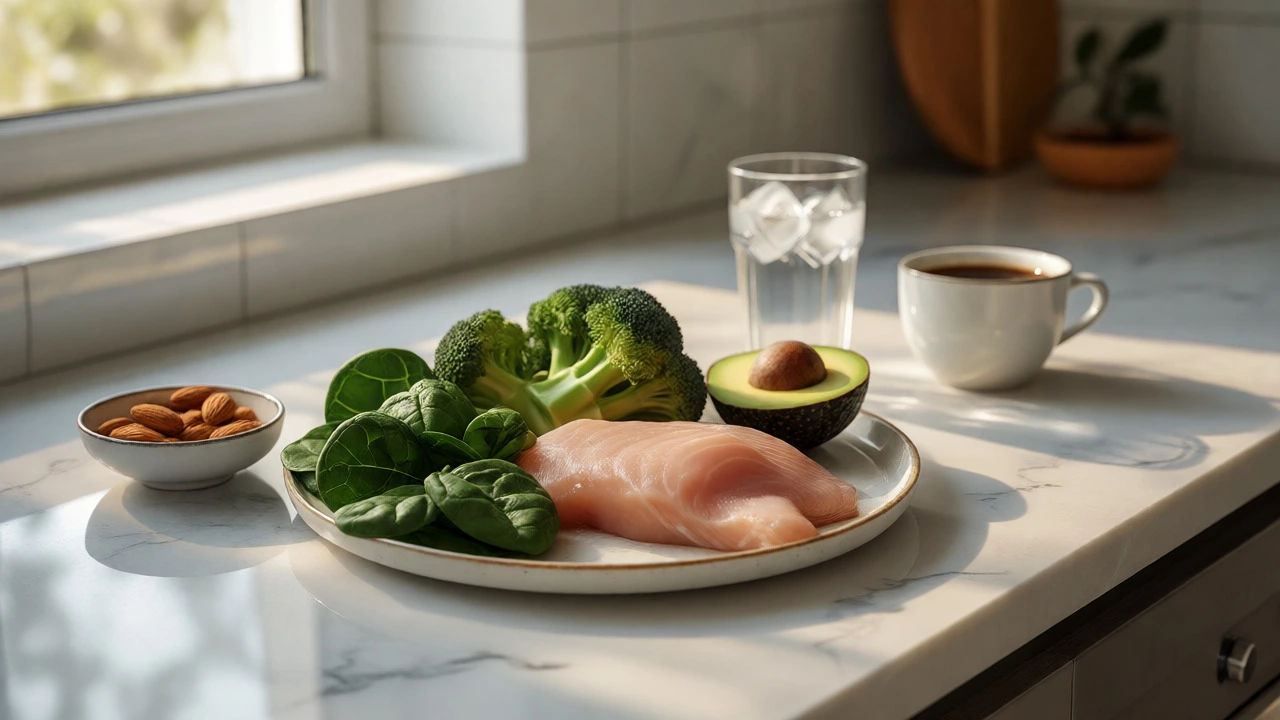
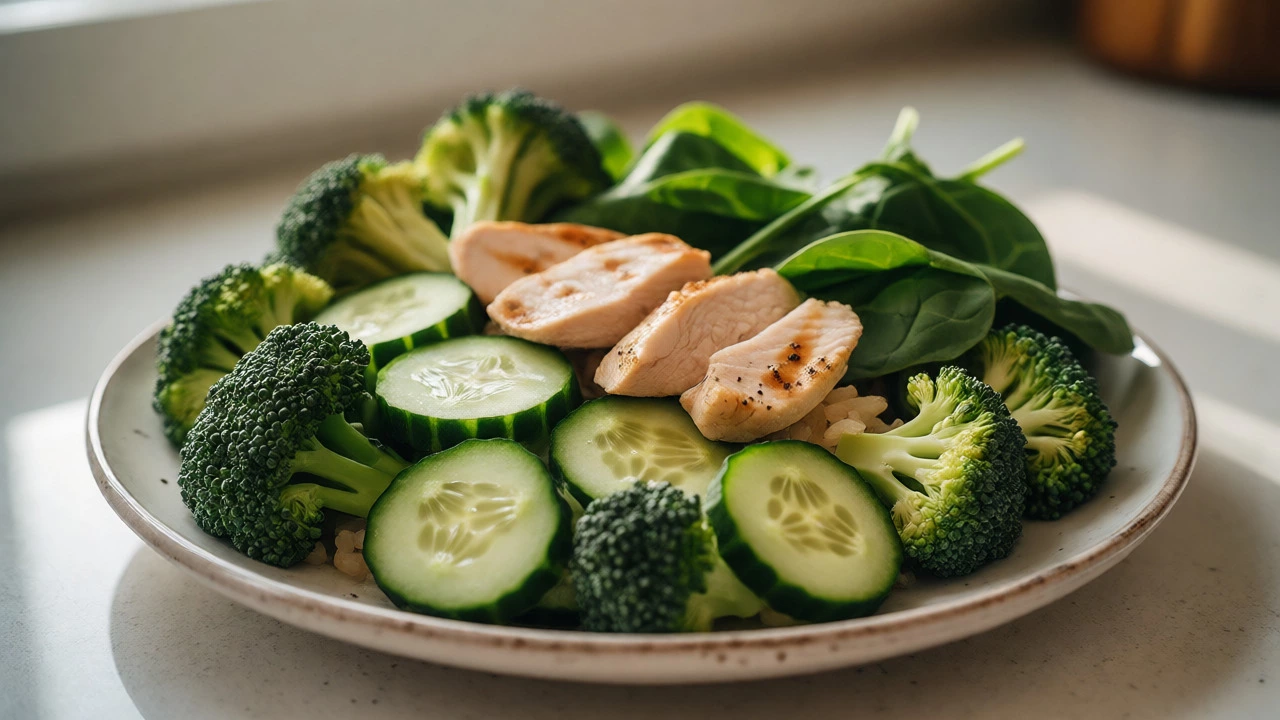
Losing 20 pounds in a month is possible but risky. This guide breaks down the science, dangers, and realistic steps to lose fat safely-without wrecking your metabolism or health.
Read MoreWhen you think of Curvy Girl Yoga, a body-positive yoga movement built for women with curvier shapes who want to move with confidence, not shame. Also known as inclusive yoga, it’s not about touching your toes—it’s about showing up for yourself, no matter your size. This isn’t the yoga you see in magazines. It’s the kind that fits your body, not the other way around. You don’t need to be flexible to start. You just need to breathe.
Yoga for health, a practice that reduces stress, eases joint pain, and improves sleep works best when it’s consistent, not perfect. That’s why beginner yoga, simple routines designed for people new to movement is the foundation here. Child’s pose isn’t a backup—it’s the hero. Walking between poses? That’s part of the plan. No equipment. No pressure. Just real progress, one breath at a time.
Below, you’ll find honest answers to questions real women ask: How often should you practice? What actually helps with belly fat? Is yoga better than walking? You’ll see what works, what doesn’t, and what’s just noise. No gimmicks. No before-and-after pressure. Just tools that fit your life.

Losing 20 pounds in a month is possible but risky. This guide breaks down the science, dangers, and realistic steps to lose fat safely-without wrecking your metabolism or health.
Read MoreHow many miles is 10,000 steps? The answer depends on your height, stride, and walking style. Learn how to calculate your exact distance and why the number matters for your health.
Read MoreBeginners should start with just 10 to 15 minutes of yoga daily to build consistency without burnout. Short sessions improve sleep, reduce stress, and increase body awareness over time. Progress comes from regular practice, not duration.
Read MoreThe fastest way to build strength is through progressive overload with compound lifts like squats, deadlifts, and bench presses. Consistency, frequency, and recovery matter more than heavy one-rep maxes. Real strength takes weeks, not days.
Read MoreVictoria's Secret models use yoga not for flexibility or weight loss, but to recover, prevent injury, and stay calm under pressure. Their routines are short, practical, and focused on function - not form.
Read MoreThe personal training industry has a shocking turnover rate - nearly one in three trainers quit within a year. This article breaks down why so many leave, what they earn, and how the system fails both trainers and clients.
Read MoreThe unhealthiest protein isn't about low quality-it's about hidden sugar, artificial sweeteners, and heavy metals in popular protein shakes. Learn which products to avoid and what to choose instead.
Read MoreThe first 20 minutes of running feel brutal because your body is still switching energy systems. Your heart, lungs, and muscles haven't synced up yet. But after this phase, everything clicks. Here's why-and how to make it easier.
Read MoreMost people should do HIIT 2 to 3 times a week for the best balance of results and recovery. Doing it more often doesn't mean faster fat loss - it just increases injury risk. Learn the science-backed schedule that works.
Read MoreYou can't type full texts on a Fitbit, but you can receive notifications and send quick replies like 'OK' or 'On my way.' Here's how it works on the latest models in 2026.
Read MoreTwo personal training sessions a week can be effective for many fitness goals, but success depends on your specific objectives, consistency outside sessions, and overall lifestyle. Learn how to maximize these sessions, avoid common mistakes, and determine if you need more training.
Read MoreLose fat fast with science-backed steps: walk more, lift weights, eat protein, sleep well. No extreme diets or endless cardio needed-just smart habits that work.
Read More