Can I Transform My Body in 2 Months? Here’s What Actually Works
Body Transformation Calculator
How Your Body Transforms in 2 Months
Based on research, most people lose 1-2 pounds of fat per week and gain 0.5-1 pound of muscle per month. This calculator shows your realistic transformation potential.
Enter your weight and goal to see your realistic transformation potential.
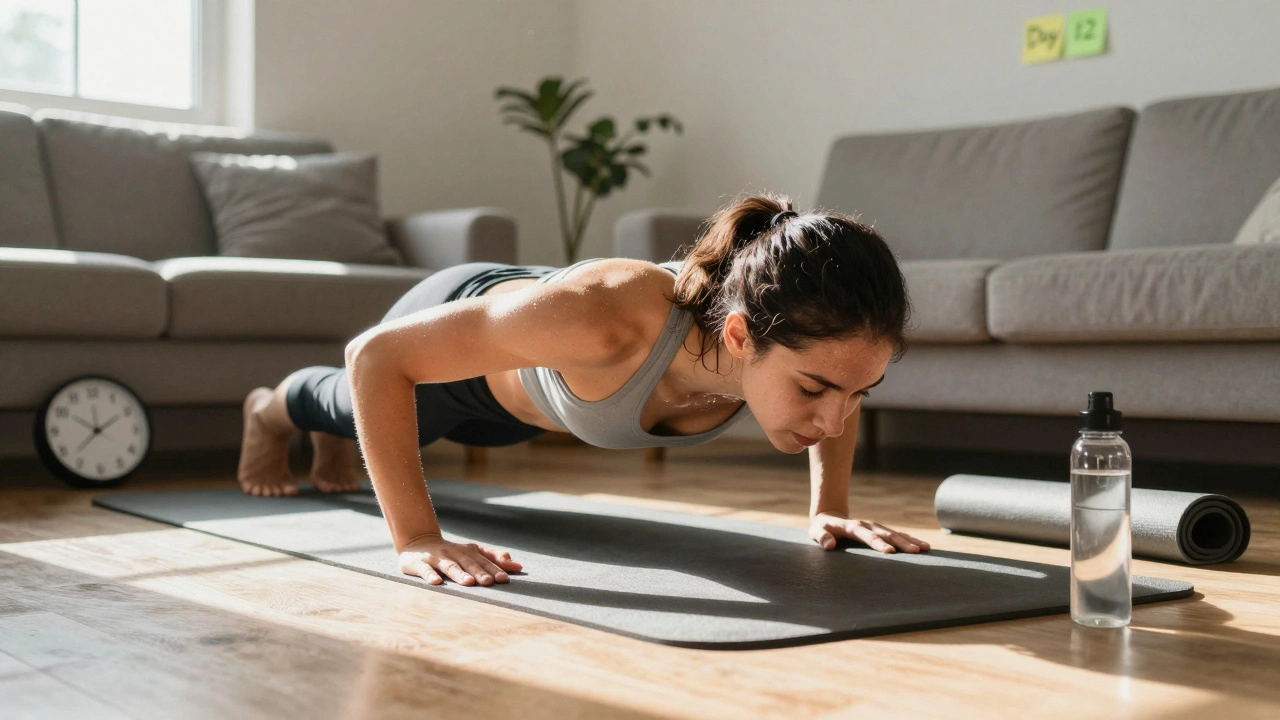
Two months. That’s all you’ve got. No gym membership. No personal trainer. Just you, your living room, and the question: Can I transform my body in 2 months? The answer isn’t yes or no-it’s how. And the how matters more than the when.
What “Transform” Really Means
People say they want to transform their body, but they mean different things. Some want to lose 15 pounds of fat. Others want to finally see abs. A few want to go from barely able to do a push-up to crushing 20 in a row. You can’t hit all of them at once. But you can make serious progress on two: losing fat and building muscle.
Here’s the truth: You won’t look like a magazine cover in 60 days. But you will look noticeably different. Your clothes will fit looser. Your arms will feel firmer. You’ll climb stairs without gasping. That’s transformation. Not a miracle. Just consistent work.
The Science Behind 60 Days
Research from the American Council on Exercise shows that most people can lose 1-2 pounds of fat per week safely. That’s 8-16 pounds in two months. Muscle gain? Around 0.5-1 pound per month for beginners-so 1-2 pounds total. That doesn’t sound like much, but here’s what it adds up to: a leaner waist, tighter thighs, and arms that look like yours again.
And it’s not just about weight. A 2023 study in the Journal of Strength and Conditioning Research found that people who did just three 30-minute home workouts per week for eight weeks improved their body composition more than those who went to the gym four times but skipped sessions. Consistency beats intensity every time.
Your 2-Month Game Plan
You don’t need equipment. You don’t need a subscription. You need structure. Here’s what to do:
- Work out 4 days a week. No more, no less. Pick days you won’t miss-like Monday, Wednesday, Friday, and Saturday.
- Each session is 30-40 minutes. No excuses. Set a timer. Stick to it.
- Every workout has three parts: warm-up, strength, and finisher.
Warm-up (5 minutes): Jumping jacks, arm circles, bodyweight squats, and lunges. Get your blood moving.
Strength (20 minutes): Do this circuit 3 times, resting 30 seconds between rounds:
- Push-ups (as many as you can)
- Bodyweight squats (20 reps)
- Glute bridges (15 reps)
- Plank (hold for 45 seconds)
- Reverse lunges (10 per leg)
Finisher (5-10 minutes): High knees for 1 minute, rest 30 seconds. Repeat 3 times. That’s your cardio.
Week 1-4: Stick to this exact routine. No changes. Your body needs to adapt first.
Week 5-8: Make it harder. Do push-ups with your feet on a cushion. Add a 10-second hold at the bottom of each squat. Increase plank time to 60 seconds. The goal isn’t to exhaust yourself-it’s to keep challenging your muscles.
What You Eat Matters More Than You Think
Workouts shape your body. Food decides how fast.
You don’t need to count calories. But you do need to eat like someone trying to change their body-not someone trying to survive a diet.
- Get protein at every meal. Eggs, chicken, beans, tofu, Greek yogurt. Aim for 0.7-1 gram per pound of body weight. If you weigh 160 pounds, that’s 110-160 grams of protein a day.
- Fill half your plate with vegetables. Not as a side. As the main event. Broccoli, spinach, peppers, zucchini. They fill you up and give you nutrients without the sugar.
- Drink water. At least 2 liters. More if you sweat. Thirst feels like hunger. And hunger leads to snacks you don’t need.
- Skip sugary drinks. Soda, juice, sweet coffee. They’re liquid fat. One can of soda adds 150 calories. That’s 1,050 extra calories a week. That’s a pound of fat in 6 weeks.
Don’t starve yourself. Don’t cut carbs completely. Just eat them smart: oats, sweet potatoes, brown rice. Save the bread and pasta for once in a while.
What You’ll See (and What You Won’t)
By week 4, you’ll notice your energy rising. Your posture will improve. You’ll sleep better. That’s the first win.
By week 6, your clothes will feel different. Your waist might shrink. Your arms will look less flabby. You’ll catch yourself in the mirror and think, “Huh. I look… better.”
By week 8, if you stuck to the plan, you’ll have lost 8-12 pounds of fat and gained 1-2 pounds of muscle. Your body fat percentage likely dropped 3-5%. That’s huge. You’ll have real muscle tone-not just a flatter stomach, but defined shoulders and firmer legs.
But here’s what you won’t see: a six-pack. Not unless you were already close to it. And you won’t look like a bodybuilder. That takes years. But you will look like someone who took control. And that’s more powerful than any photo.
The Real Secret: Consistency Over Perfection
You’ll miss a day. You’ll eat pizza. You’ll feel tired. That’s normal. The people who transform their bodies aren’t the ones who never slip. They’re the ones who never quit.
Here’s your rule: If you skip a workout, do 10 push-ups and 10 squats before bed. If you overeat, get back on track with your next meal-not your next day. Progress isn’t linear. But it’s real if you keep showing up.
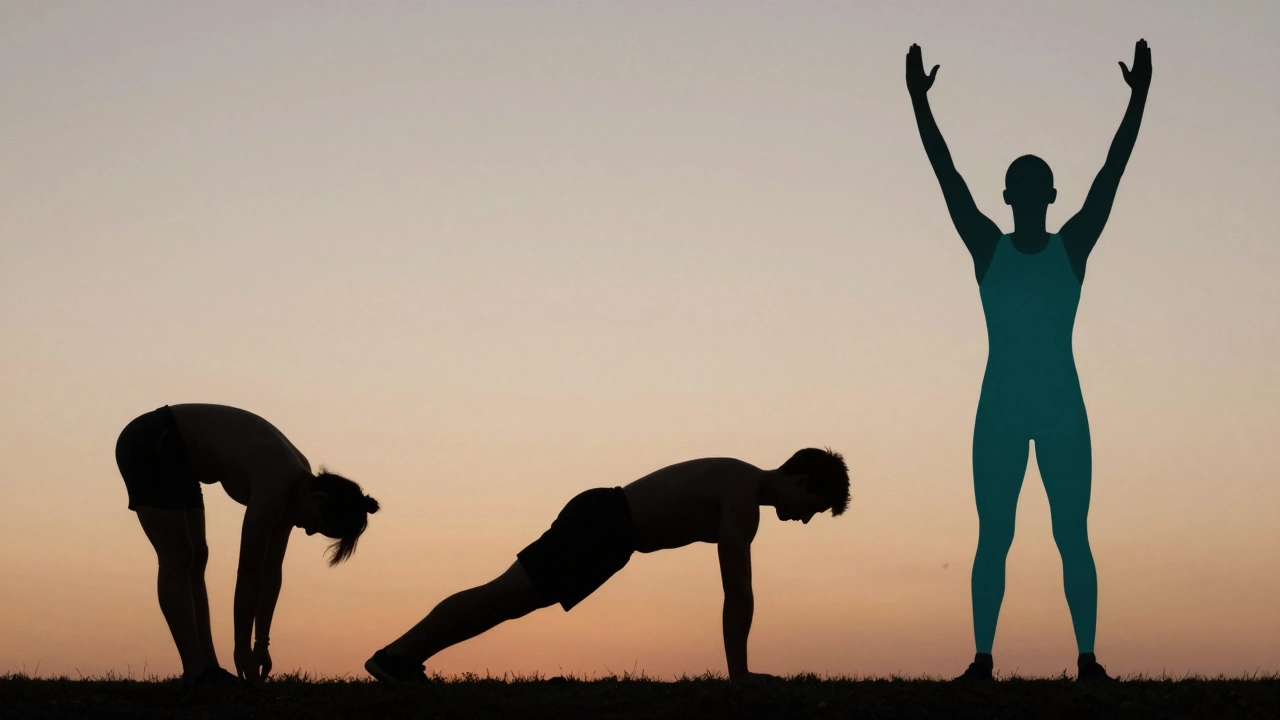
Track your progress. Not with a scale. With photos. Take a front, side, and back photo on Day 1 and Day 60. Put them side by side. You’ll see changes you didn’t feel. That’s motivation.
Why Most People Fail
They think transformation is about intensity. It’s not. It’s about repetition.
They think they need fancy gear. They don’t. Your body is your equipment.
They think they need to do 2 hours a day. You don’t. Thirty minutes, four times a week, is enough.
And they give up because they expect overnight results. But transformation isn’t a sprint. It’s a daily habit. One push-up. One glass of water. One vegetable. Over and over.
If you do this for 60 days, you won’t just look different. You’ll feel different. Stronger. Calmer. More in control. That’s the real transformation.
Can I build muscle without weights at home?
Yes. Bodyweight exercises like push-ups, squats, lunges, and planks can build muscle if you make them harder over time. Adding pauses, slowing down the movement, or increasing reps forces your muscles to adapt. Beginners gain muscle fastest with bodyweight training because their nervous system learns how to activate more muscle fibers. After 6-8 weeks, you’ll need more resistance-but for two months, it’s more than enough.
How much weight can I realistically lose in 2 months?
Most people can lose 8-16 pounds of fat in two months with a consistent calorie deficit and regular movement. Losing more than 2 pounds a week risks muscle loss and slows metabolism. The goal isn’t speed-it’s sustainability. A 10-pound loss with improved muscle tone looks better than 15 pounds of pure weight loss that leaves you weak and tired.
Do I need to follow a specific diet?
No. You don’t need keto, intermittent fasting, or juice cleanses. Just eat more protein, more vegetables, and fewer sugary or processed foods. Drink water. Eat slowly. Stop when you’re full. That’s it. The best diet is the one you can stick to for years-not 60 days.
What if I don’t see results after 6 weeks?
Check your food. Are you eating enough protein? Are you drinking water? Are you sleeping 7+ hours? If yes, then you might be underestimating your activity. Walk more. Take the stairs. Stand up every hour. Non-exercise movement burns hundreds of extra calories a day. Also, take photos. Scale numbers lie. Visual changes don’t.
Is it safe to work out every day for 2 months?
No. Your muscles grow when they rest-not when you train. Working out 4 days a week gives your body time to recover. If you feel sore for more than 2 days, you’re overdoing it. Listen to your body. Rest days are part of the plan. Skipping them increases injury risk and slows progress.