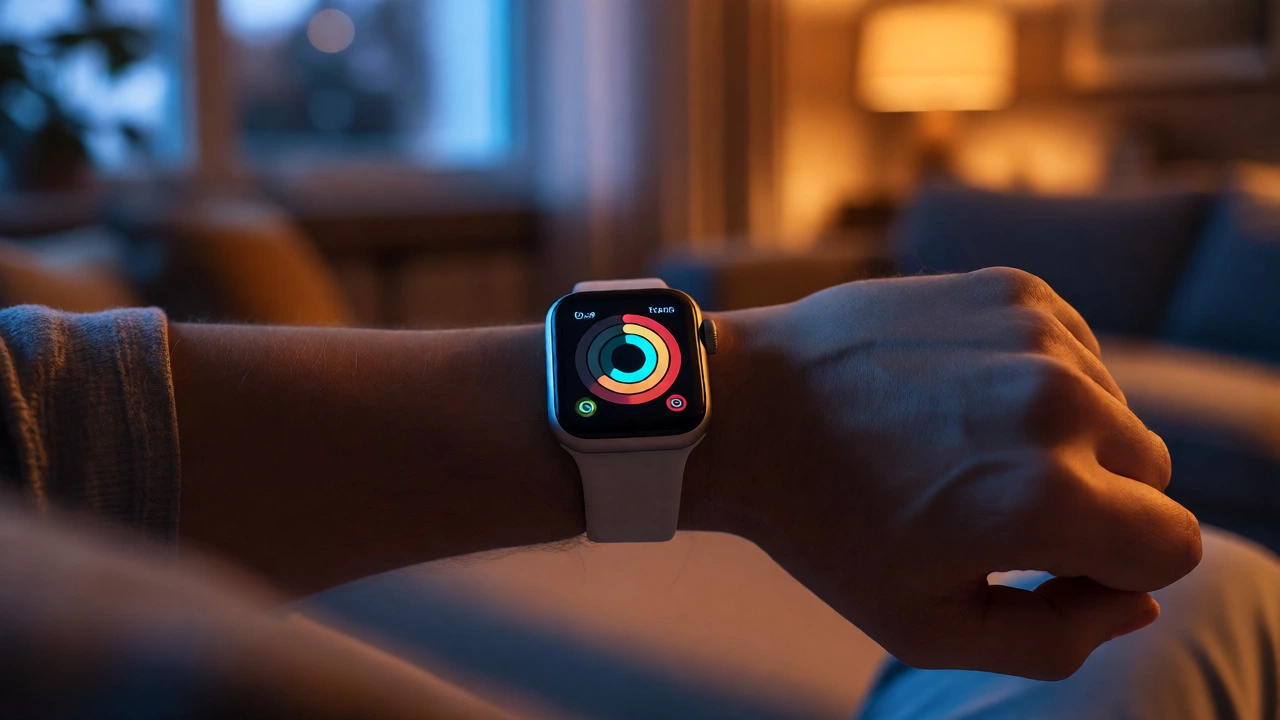
Is a Fitness Tracker Worth It? Real Talk for 2026
Wondering if a fitness tracker is worth the investment? Discover the real benefits, accuracy limits, and costs of wearable tech in 2026.
Read MoreWhen you're trying to build a consistent yoga habit or track your fitness progress, a fitness tracker, a device or app that monitors your movement, sleep, and activity levels. Also known as activity tracker, it doesn’t need to be expensive to give you real insight into how your body responds to daily movement. The truth? Most people don’t need a $300 smartwatch to know if they’re moving enough. What they need is something simple that shows them they’re getting closer to their goals—without subscriptions, hidden fees, or complicated apps.
Free fitness trackers like Google Fit, a no-cost app that tracks steps, heart rate, and sleep using your phone or compatible wearables, Apple Health, a built-in health dashboard that pulls data from your iPhone or Apple Watch to give you a daily activity summary, and Samsung Health, a straightforward tool that works with Android phones to monitor walking, workouts, and rest patterns do more than count steps. They help you notice patterns: maybe you’re walking 8,000 steps on yoga days but only 3,000 on busy workdays. Or maybe your sleep improves after evening stretching. That’s the kind of feedback that keeps you going—not a fancy screen or a leaderboard.
Here’s what most fitness trackers miss: yoga isn’t about burning the most calories. It’s about showing up, breathing, and moving your body without judgment. A good tracker doesn’t push you to hit 10,000 steps if you’re resting after a long session. It lets you see that even 20 minutes of yoga counts as movement—and that consistency matters more than intensity. That’s why the best free trackers for curvy bodies are the ones that don’t shame you for low step counts on rest days. They celebrate small wins: a longer sleep, a steady heart rate, a week of daily movement, even if it’s just a walk around the block.
You’ll find posts here that cut through the noise. We’ve tested the real free options in 2025—not the ones with flashy ads, but the ones that actually work without a credit card. You’ll learn why Fitbit’s decline doesn’t mean you’re stuck, and which alternatives give you more for less. We cover how sleep tracking connects to recovery after yoga, why step counts matter less than how you feel, and what happens when you stop chasing numbers and start listening to your body. Whether you’re just starting out or you’ve been yoga-ing for years, the right tracker helps you see progress you didn’t even notice.
Wondering if a fitness tracker is worth the investment? Discover the real benefits, accuracy limits, and costs of wearable tech in 2026.
Read More
Wondering if a fitness tracker is worth the hype? Discover who benefits from wearable tech, hidden costs, and alternatives to help you decide.
Read More
Wondering if Fitbit is still relevant in 2026? We analyze who wears them, why some quit, and if they're worth buying versus Apple or Garmin.
Read More
Discover the #1 health and fitness app in 2026. We compare MyFitnessPal, Strava, and Apple Health to help you choose the right tool for weight loss, running, or general wellness.
Read More
Discover the hidden psychological and physical downsides of fitness trackers and why ditching the data might actually improve your health and mind-body connection.
Read More
Discover if your fitness tracker causes more anxiety than health benefits. Explore privacy risks, data accuracy, and alternatives to digital health monitoring.
Read More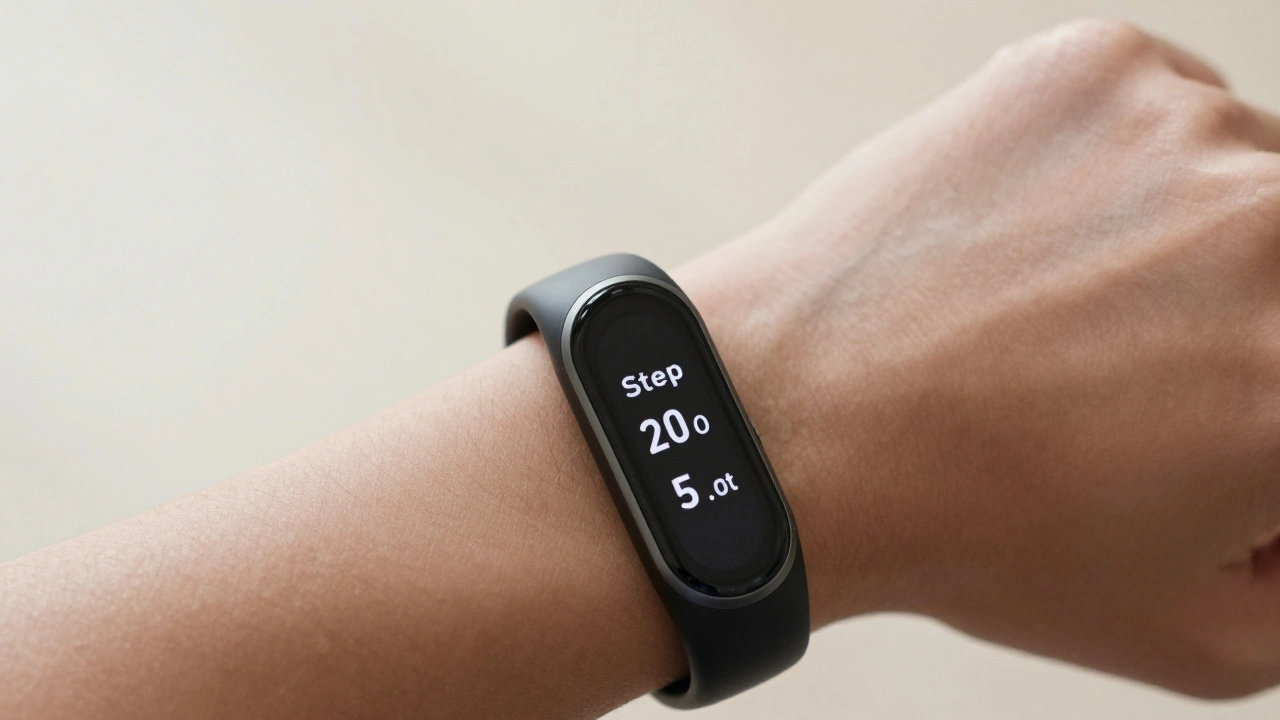
Fitness trackers and fitness watches both monitor activity, but one is a simple tool for basic tracking, while the other is a full smartwatch with advanced health data. Learn which one fits your goals.
Read More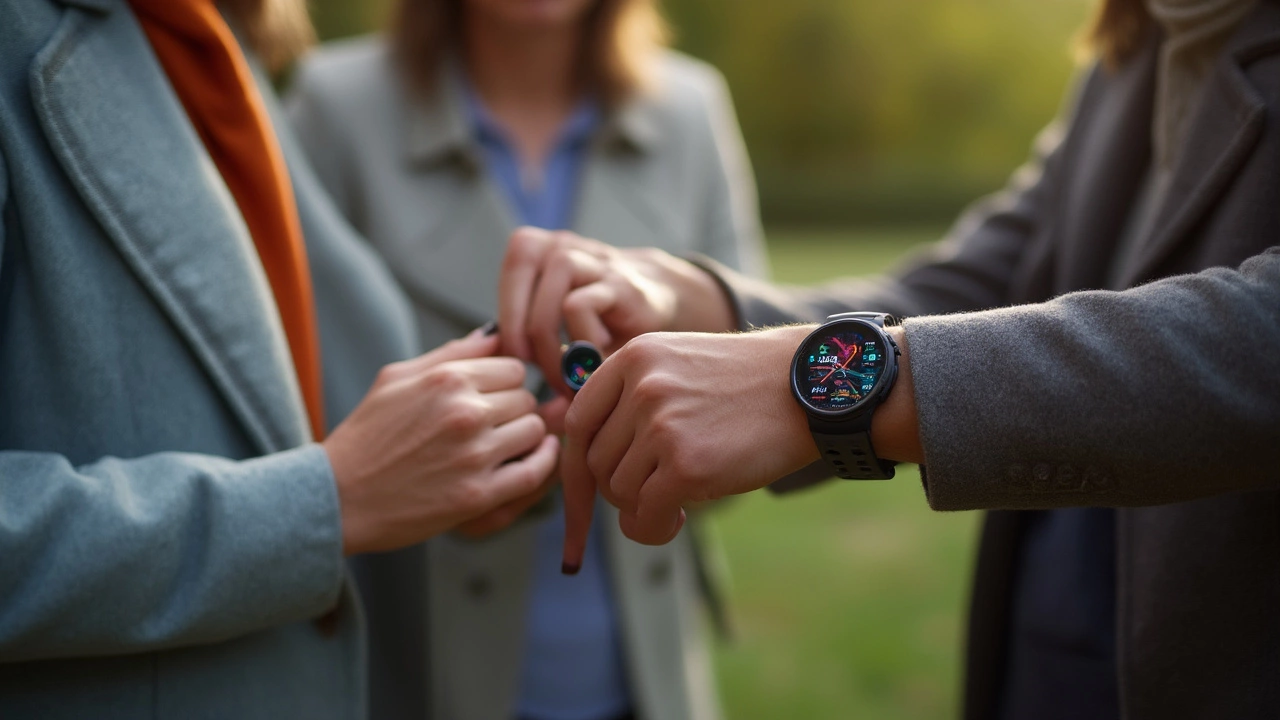
Compare the accuracy of top health trackers in 2025. Learn which wearables stand out for fitness, heart rate, sleep, and more. Get real-life tips for choosing the right tracker.
Read More