Is a Fitness Tracker Worth It? Real Talk for 2026
Fitness Tracker Value Calculator
Answer the questions below to see if a dedicated fitness tracker is right for you, or if your smartphone will suffice.
Your Recommendation
Calculating...Analysis Breakdown
Note: This tool uses logic derived from common consumer advice regarding wearable tech. Always consider trying a budget model first before investing in premium hardware.
You’re staring at your phone, wondering if that $300 watch on your wrist is actually helping you get fit or just draining your battery. It’s a fair question. We’ve all seen the hype: sleek devices promising to count every step, monitor sleep, and even tell us when we’re stressed. But does strapping a computer to your arm actually make you healthier? The answer isn’t a simple yes or no. It depends entirely on who you are and what you want to achieve. For some, these gadgets are life-changing tools. For others, they’re expensive paperweights gathering dust in a drawer.
| User Type | Value Proposition | Common Pitfall |
|---|---|---|
| The Beginner | Visual feedback creates immediate habit formation. | Obsessing over daily numbers rather than long-term trends. |
| The Athlete | Precise data on heart rate zones and recovery metrics. | Overtraining because the device says "you're ready." |
| The Data Skeptic | Minimalist tracking without app complexity. | Ignoring subjective feelings of fatigue. |
The Psychology of Accountability
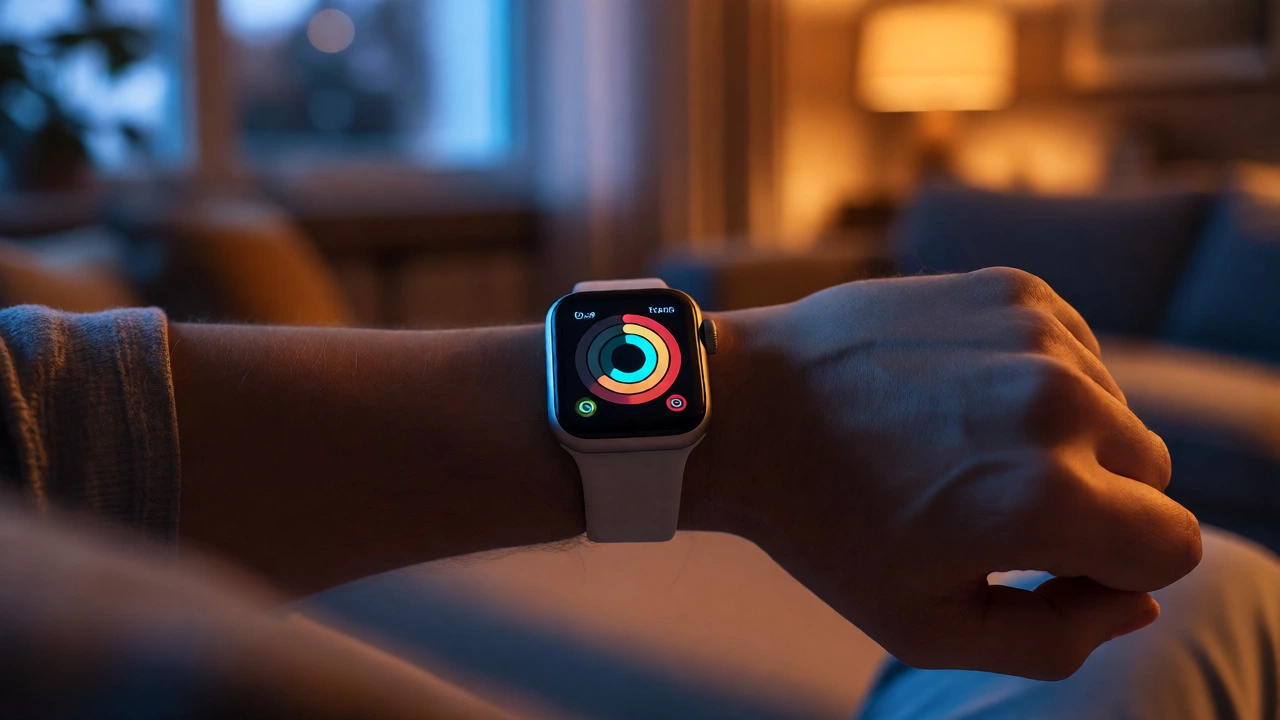
Let’s be honest: willpower is finite. You can intend to walk 10,000 steps, but by 4 PM, life happens. A fitness tracker acts as an external accountability partner. It doesn’t judge you; it just records the truth. This concept, known as the Hawthorne Effect, suggests that people modify their behavior simply because they know they are being observed. When your watch buzzes at 8 PM reminding you that you’ve only hit 4,000 steps, you’re far more likely to take that evening walk than if you had no record at all.
This isn’t about magic. It’s about friction reduction. Without a tracker, you have to actively think about your activity. With one, the data is passive. You see the red ring not closing, and your brain nudges you to move. For beginners, this visual cue is often the difference between a sedentary day and an active one. However, this benefit fades if you don’t act on the data. If you ignore the notifications for three weeks straight, the device becomes background noise, much like a car alarm you stop hearing after living next to a busy road.
Data Accuracy: What Can You Trust?
We need to address the elephant in the room: accuracy. Are these devices medically precise? Mostly, no. They are consumer electronics, not clinical instruments. Optical heart rate sensors use photoplethysmography (PPG), which shines light into your skin to detect blood flow changes. While decent for steady-state cardio like jogging, PPG struggles with high-intensity interval training (HIIT) where rapid movement causes signal noise. You might see your heart rate spike to 180 bpm during a burpee, only for the sensor to lag behind reality.
Sleep tracking is another area rife with exaggeration. Most trackers estimate sleep stages-light, deep, and REM-based on movement and heart rate variability. They cannot measure brain waves like a polysomnography test done in a lab. So, when your app tells you that you got "zero deep sleep," don’t panic. It’s a heuristic, not a diagnosis. Use the data to spot trends. If your sleep score drops consistently for a week, look at your lifestyle factors-caffeine intake, screen time, stress levels-rather than trusting the absolute number as gospel.

The Cost-Benefit Analysis
Let’s talk money. Entry-level trackers start around £50, while premium models from brands like Apple, Garmin, or Whoop can exceed £300 plus subscription fees. Is the extra cost justified? For casual walkers, probably not. A basic pedometer on your phone gives you 90% of the value for 0% of the cost. Your smartphone already has accelerometers and gyroscopes. If you just want to count steps, use the built-in Health app on iOS or Google Fit on Android before buying hardware.
However, if you care about GPS mapping for running routes, swimming stroke detection, or detailed recovery metrics, a dedicated device offers superior utility. Consider the hidden costs too. Many advanced features, such as personalized coaching plans or advanced sleep insights, now require monthly subscriptions. Over five years, a £10/month subscription adds up to £600. That’s enough to buy a year’s membership at a local gym or hire a personal trainer for a few sessions. Ask yourself: would I prefer the convenience of data or the expertise of a human coach?
Battery Life and Maintenance Hassles
There’s nothing worse than realizing your watch is dead right before a workout. High-end smartwatches often last 1-2 days on a charge. If you forget to plug it in, you lose continuity in your data. Missing two days of sleep data breaks the trend line, making it harder to correlate habits with outcomes. Simpler fitness bands, like those from Xiaomi or Huawei, often last 7-14 days. This longevity reduces friction. You wear it, you forget about it, and it works.
Comfort is another underrated factor. Wearing a bulky device 24/7 can lead to skin irritation or discomfort during sleep. Some users report "wearable fatigue," where the constant vibration of notifications becomes annoying rather than helpful. If you find yourself taking the device off frequently, you’re losing the continuous monitoring advantage. In these cases, a minimalist approach or a different form factor, like a clip-on tracker or a ring, might be worth exploring.
When It’s Not Worth It
A fitness tracker is not a cure for poor habits. If you eat poorly, no amount of step counting will fix your weight. If you lack motivation, the gadget won’t inspire you-it’ll just document your inactivity. There’s also the risk of orthosomnia, a condition where people become obsessed with achieving perfect sleep scores, leading to anxiety that actually worsens sleep quality. If checking your stats causes stress rather than clarity, the tool is working against you.
Furthermore, if you already enjoy physical activity without needing validation, you might not need a tracker. Many seasoned athletes rely on perceived exertion-the Rate of Perceived Exertion (RPE) scale-to gauge intensity. They listen to their bodies, not their wrists. Adding a layer of data can sometimes clutter intuition. If you’re happy walking your dog, cycling to work, or playing sports without logging every minute, save your money. Buy better shoes or invest in a nicer bike instead.
Making the Right Choice
If you decide to buy, match the device to your primary goal. Runners should prioritize GPS accuracy and lightweight design. Swimmers need waterproof ratings and stroke recognition. Weight-loss focused individuals benefit most from calorie estimation integration and easy-to-read summaries. Don’t get distracted by features you’ll never use, like NFC payments or music storage, unless you genuinely need them.
Start cheap. Try a budget band for three months. See if you actually check the app. If you do, upgrade. If not, return it. The best fitness tracker is the one you’ll actually wear. Consistency beats precision every single time. A mediocre device worn daily provides more actionable insight than a state-of-the-art watch left in a box.
Do fitness trackers help with weight loss?
They can, but indirectly. Studies suggest that self-monitoring increases awareness of calorie expenditure, which can motivate users to move more or eat less. However, the tracker itself doesn't burn calories; it only provides feedback. Success depends on acting on that feedback.
Are fitness tracker heart rate readings accurate?
For steady-state activities like walking or jogging, modern optical sensors are generally within 5-10% of chest strap monitors. During high-intensity intervals or strength training, accuracy drops significantly due to motion artifacts. Chest straps remain the gold standard for precision.
Can I use my phone instead of a fitness tracker?
Yes, smartphones have built-in sensors that track steps and distance reasonably well. The main advantage of a wearable is continuous monitoring, especially for sleep and heart rate throughout the day, which phones cannot do effectively since you leave them behind.
How long do fitness tracker batteries last?
It varies widely. Smartwatches with color screens typically last 1-3 days. Simple fitness bands with monochrome displays can last 7-14 days. Always check current reviews for specific models, as software updates can impact battery performance.
Is it worth paying for a subscription service?
Only if you value guided coaching and deep analytics. Basic tracking features are usually free. Subscriptions often unlock personalized training plans, advanced sleep insights, and community challenges. If you prefer DIY workouts, skip the sub.