Do I Really Need an Activity Tracker? A Honest Guide
Activity Tracker Necessity Quiz
Answer these questions honestly to determine if buying an activity tracker is worth your money or if it will end up in a drawer.
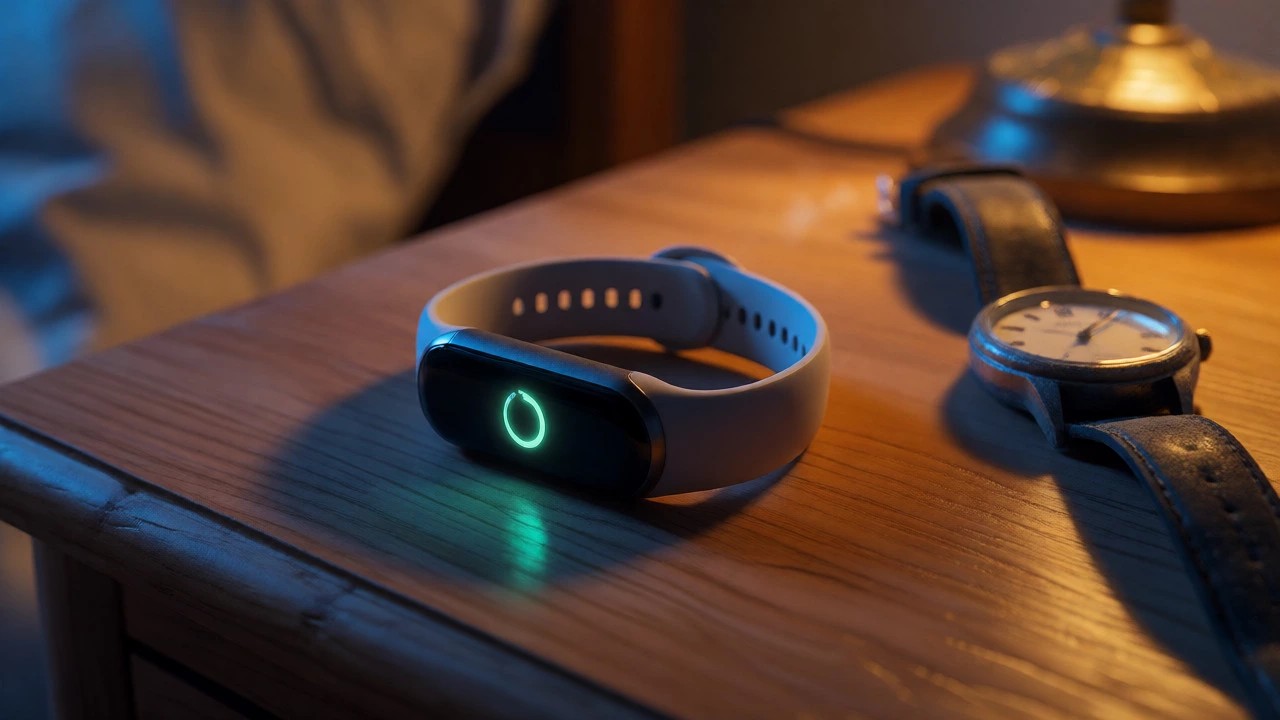
You’re staring at a sleek band on your wrist. It glows softly, counting every heartbeat, every step, every minute of sleep. The sales pitch is seductive: "Know yourself better," they say. "Optimize your life." But here’s the uncomfortable truth most marketing brochures skip: for many people, that shiny gadget ends up in a drawer after three months, collecting dust and guilt.
So, do you actually need one? Or are you just paying a subscription fee to feel guilty about not walking enough? This isn’t a simple yes or no question. It depends entirely on what you want out of your health journey. Let’s break down who benefits, who wastes money, and how to decide if a fitness tracker is the missing piece in your routine or just another expensive distraction.
The Psychology of Measurement
Humans are weird creatures. We change our behavior when we watch it. Psychologists call this the "observer effect." When you see a number ticking up-steps, calories, active minutes-you instinctively try to make that number bigger. It’s gamification applied to biology.
If you struggle with motivation, a tracker acts as an external accountability partner. It doesn’t judge; it just records. For someone who thinks they walk 10,000 steps a day but actually walks 3,500, that data point is a wake-up call. You can’t fix what you don’t measure. If you’re already disciplined, running five miles before breakfast without checking your phone, you probably don’t need a device telling you what you already know. But if you’re inconsistent, that little vibration reminding you to stand up might be the nudge you need.
What Modern Trackers Actually Do
Gone are the days when these devices were just pedometers. Today’s wearables are mini-health labs strapped to your arm. They track heart rate variability (HRV), blood oxygen levels, sleep stages, and even stress metrics. But do all those features matter?
Let’s look at the core functions. Step counting is basic but effective for general movement. Heart rate monitoring helps gauge exercise intensity-useful if you’re training for a race or managing heart conditions. Sleep tracking offers insights into recovery, though its accuracy varies wildly between brands. GPS tracking maps your runs or cycles, providing distance and pace data.
The real value lies in integration. Most trackers sync with apps like Apple Health or Google Fit. This creates a centralized dashboard for your health data. If you’re already using a smartwatch for notifications, adding fitness tracking costs nothing extra. If you’re buying a dedicated band solely for steps, consider if your smartphone already does that job well enough.
Who Benefits Most from Wearable Tech?
Certain groups get more bang for their buck than others. Understanding where you fit helps avoid buyer’s remorse.
- The Data-Driven Athlete: If you train for specific goals-marathons, triathlons, weightlifting progress-you need precise feedback. Knowing your resting heart rate dropped by 5 beats per minute over six weeks proves your cardiovascular improvements. Guesswork doesn’t cut it here.
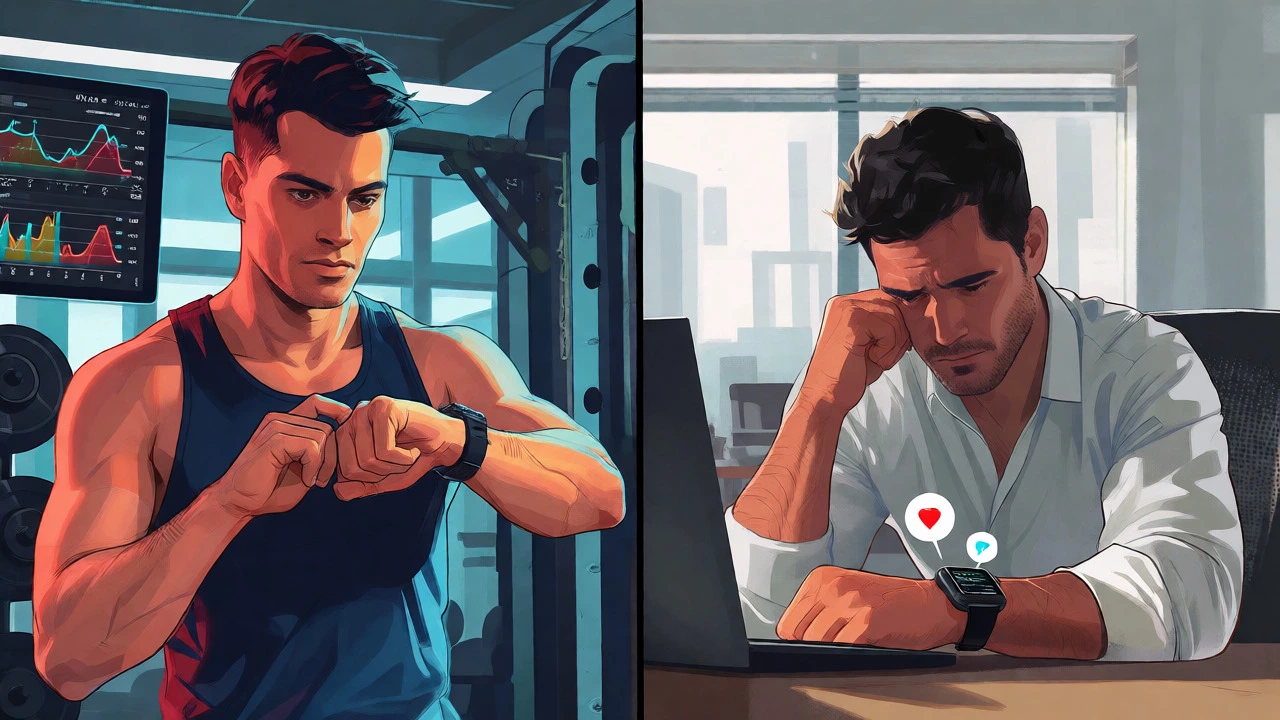
- The Sedentary Office Worker: Sitting eight hours a day kills metabolism slowly. A tracker that buzzes every hour to remind you to move can prevent stiffness and improve circulation. It breaks the inertia loop.
- The Beginner Fitness Enthusiast: Starting a new routine is hard. Seeing tangible progress, even small wins like hitting a daily step goal, builds momentum. It turns abstract effort into visible achievement.
- People Managing Chronic Conditions: For those monitoring heart arrhythmias or sleep apnea, medical-grade sensors provide early warnings. While not diagnostic tools, they flag anomalies worth discussing with a doctor.
When You Can Skip the Gadget
Not everyone needs to strap on hardware. Sometimes, simplicity works better.
If you hate wearing things on your wrist, forcing yourself to use a tracker will fail. Comfort matters. If you find the constant notifications distracting or anxiety-inducing, the tech becomes a burden. Some people develop "orthosomnia"-an unhealthy obsession with achieving perfect sleep scores, which ironically causes stress and worsens sleep quality.
Also, consider your current activity level. If you’re already moving consistently, tracking steps adds little value. Your body tells you when you’re tired or energized. Learning to listen to internal cues is often more sustainable than relying on external validation. If you’re motivated by community rather than numbers, joining a local running club or group class might offer more social support than a solo app leaderboard.
Comparing Popular Options
The market is flooded with choices. Here’s a quick breakdown of common types to help you navigate the noise.
| Type | Best For | Battery Life | Cost Range |
|---|---|---|---|
| Basic Band (e.g., Xiaomi Mi Band) | Step counting, basic sleep, budget-conscious users | 7-14 days | $30-$60 |
| Smartwatch (e.g., Apple Watch, Galaxy Watch) | Notifications, apps, GPS, advanced health metrics | 1-3 days | $200-$800+ |
| Fitness Focus (e.g., Garmin Vivosmart) | Stress tracking, detailed sleep analysis, long battery | 5-7 days | $100-$200 |
| Phone Only (Apps) | Occasional walkers, minimalists | N/A (uses phone battery) | $0-$10/month |
Notice the battery life difference. Smartwatches demand daily charging. Dedicated bands last weeks. If you forget to charge devices, pick the latter. Also, check compatibility. An Apple Watch won’t give you full features on an Android phone. Match the ecosystem to your lifestyle.
The Hidden Costs of Tracking
It’s not just the upfront price tag. Many trackers require subscriptions for premium insights. Strava charges for detailed route analysis. Whoop requires a membership for access to its recovery metrics. These fees add up annually.
Data privacy is another factor. Where does your heart rate history go? Some companies sell anonymized health data to research firms or insurers. Read the terms carefully. If you’re sensitive about personal data, look for devices that store information locally or offer strong encryption options.
Maintenance is real too. Bands degrade. Batteries lose capacity after two years. Screen scratches happen. Factor in replacement costs if you plan to keep using wearables long-term. A $50 band replaced every 18 months might cost less than a $400 watch that breaks in year two.
How to Test Before You Buy
Don’t impulse buy. Try a low-cost experiment first.
- Use Your Phone: Most smartphones have built-in pedometers. Wear your phone in your pocket for a week. Does seeing the step count motivate you? If not, a band likely won’t change that.
- Borrow a Friend’s Device: Ask someone with a tracker if you can wear theirs for a weekend. Notice if you constantly check it. Do you feel anxious when you miss a goal? That’s a red flag.
- Set a Trial Period: If you buy, commit to using it for 30 days. After that, evaluate honestly. Did it help you move more? Did you ignore it? Be ruthless with your assessment.
This approach saves hundreds of pounds and prevents clutter. Remember, the best tracker is the one you actually wear. If it sits on the nightstand because you forgot to charge it, it’s useless.
Alternatives to Wearables
If you decide against a gadget, other methods work just fine.
Journaling remains powerful. Writing down workouts and feelings takes ten seconds and improves mindfulness. Manual logging forces reflection, whereas automatic tracking can become passive background noise.
Wear a simple analog watch. Counting reps or timing intervals manually keeps you present. It removes screen dependency during exercise. Many athletes prefer this focus.
For sleep, keep a consistent schedule. Regular bedtimes often yield better rest than obsessing over sleep stage graphs. Quality matters more than quantity metrics.
Are fitness trackers accurate?
Generally, yes for steps and heart rate during steady activities. Accuracy drops during high-intensity interval training or weightlifting due to arm movement artifacts. Sleep tracking is the least accurate metric, often confusing light sleep with being awake. Treat data as trends, not absolute truths.
Can a tracker help me lose weight?
Indirectly, yes. It increases awareness of calorie expenditure and encourages movement. However, it doesn’t burn fat itself. Weight loss comes from diet and consistent activity. Use the tracker to monitor non-exercise activity thermogenesis (NEAT)-daily movement outside workouts-which significantly impacts total energy balance.
Is it bad to rely on a fitness tracker?
It can be if you ignore bodily sensations in favor of numbers. Developing orthosomnia (sleep anxiety) or exercising despite injury because your heart rate zone says so are risks. Balance external data with internal intuition. If the tracker causes stress rather than motivation, take a break.
Do I need GPS on my tracker?
Only if you run, cycle, or hike outdoors and want precise distance mapping without carrying a phone. Built-in GPS drains battery faster. If you mostly walk in parks or gyms, connected GPS (using your phone) is sufficient and saves power.
Which brand is best for beginners?
Start with affordable options like Xiaomi Mi Band or Samsung Galaxy Fit. They offer core features without complex ecosystems. If you use an iPhone, the Apple Watch SE provides seamless integration but at a higher cost. Avoid niche brands unless you have specific sport needs.