Do People Still Wear Fitbit in 2026? The Truth About Its Relevance

Wearable Matchmaker
Answer these quick questions to find out which wearable is the right fit for you.
You’re at a coffee shop in Bristol, and you glance around. Ten years ago, half the room would have had a black wristband with a glowing green heart icon. Today? Maybe one or two people. It begs the question: do people still wear Fitbit? If you’re thinking about buying one, or if yours is sitting in a drawer gathering dust, you need to know where this brand stands right now.
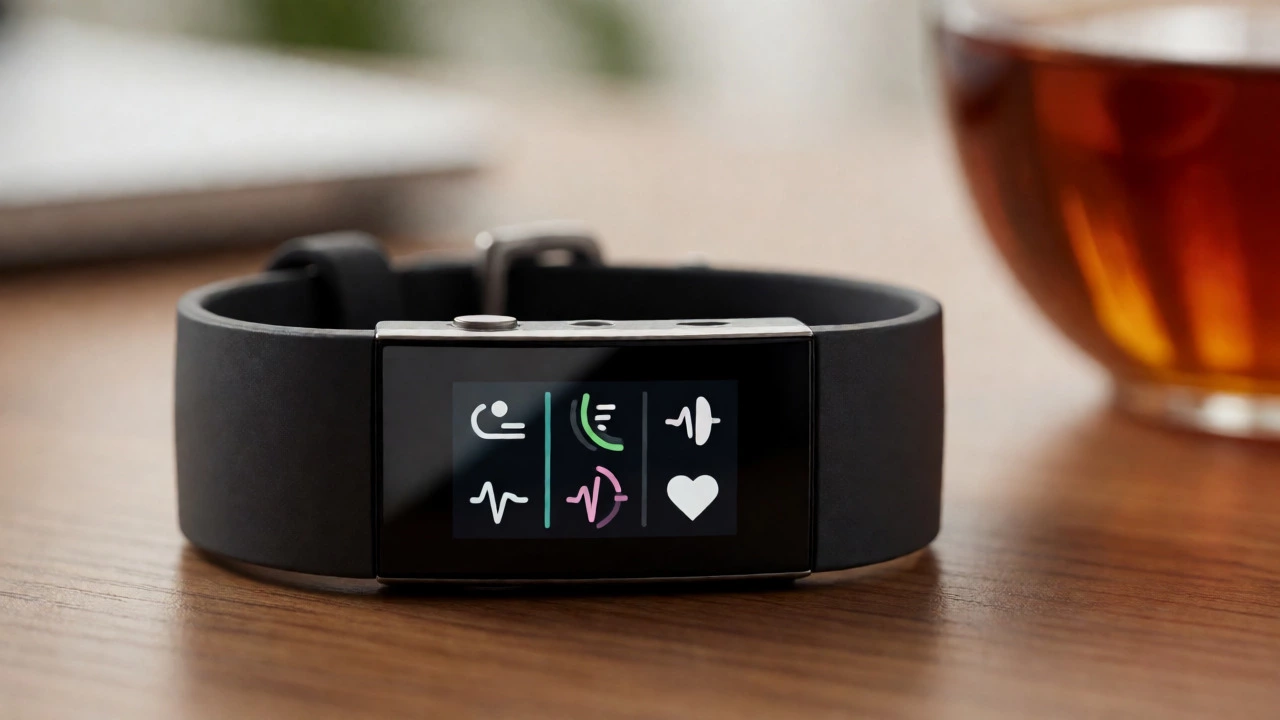
The short answer is yes, but not for the same reasons as before. The market has shifted dramatically. We aren’t just counting steps anymore; we’re tracking sleep stages, blood oxygen levels, and stress scores. But does a dedicated Fitbit wearable device designed to track physical activity and health metrics still hold up against the juggernauts like Apple Watch or Garmin? Let’s break down who is actually wearing these devices in 2026, why they choose them, and whether it makes sense for you to join the club.
The Shift from Hype to Habit
Remember when getting a Fitbit was a novelty? You’d sync it via Bluetooth, wait an eternity for the data to upload, and feel proud of hitting 10,000 steps. That era is gone. In 2026, wearable technology is invisible infrastructure. Most people don’t talk about their trackers; they just live with them.
So, who is left on the ship? Primarily, it’s people who want simplicity without the distraction of a smartphone on their wrist. Many users find full-featured smartwatches overwhelming. They don’t want to check emails during a run or argue with Siri while cooking dinner. For them, a basic Fitbit model offers a clean, focused experience. It tracks what matters-movement, heart rate, sleep-and leaves the rest alone.
There’s also a significant demographic that prefers the subscription model. Unlike some competitors where you buy the hardware and own it outright, Fitbit leans heavily into its premium service, Fitbit Premium a paid subscription service offering advanced health insights and coaching. This creates a community of users who are committed to long-term health goals rather than casual step-counting. They stay because the data tells them stories about their health trends over months and years, something a cheap generic tracker can’t replicate effectively.
Why Some Users Abandoned Ship
We can’t ignore the elephant in the room: many people stopped wearing their Fitbits. Why? Two main culprits: battery life and ecosystem lock-in.
In the early days, charging your watch every night was annoying but acceptable. Now, with devices lasting weeks (looking at you, Garmin), having to charge daily feels archaic to power users. If you’re an athlete training for a marathon, a dead battery mid-run is a dealbreaker. Consequently, serious runners often migrated to brands that prioritize endurance over smart features.
Then there’s the phone compatibility issue. While Android integration has improved significantly since Google acquired the company, iPhone users often feel second-class citizens. Notifications can be finicky, and some third-party apps don’t play nice with the Fitbit OS. If you’re deep in the Apple ecosystem, the seamless handoff between an iPhone and an Apple Watch is hard to beat. Fitbit tries to bridge this gap, but for many, the friction was enough to switch.
| Feature | Fitbit Charge 6 | Apple Watch Series 9 | Garmin Venu 3 |
|---|---|---|---|
| Battery Life | Up to 7 days | 18 hours | Up to 14 days |
| Primary Focus | Health & Sleep Tracking | Smartphone Extension | Athletic Performance |
| Price Range (GBP) | £150 - £180 | £399+ | £449+ |
| Best For | Casual Health Enthusiasts | iPhone Users | Runners & Cyclists |
The Google Acquisition Effect
You might wonder if the brand lost its soul after Google bought it. Honestly? No. If anything, the integration made it smarter. The algorithm behind the health metrics is more robust now. When you look at your Sleep Score a metric calculated by analyzing sleep stages and heart rate variability, you’re seeing data processed by one of the largest AI models in the world.
This shift attracted a new type of user: the data nerd. These folks love digging into HRV (Heart Rate Variability) and skin temperature fluctuations. Fitbit provides this level of detail without requiring you to become a bio-hacker. You get actionable advice, like "Your body is under stress, try a lighter workout today," directly on your wrist. It’s helpful, unobtrusive, and surprisingly accurate for a consumer-grade device.
However, this also means the app interface changed. Long-time users complained about the clutter. Suddenly, simple stats were buried under tabs for news, music, and payments. It’s a classic case of trying to do too much. But for those who stick with it, the depth of information is unmatched at this price point.
Who Is Actually Wearing Them Now?
If you walk into a gym in London or Manchester, you’ll see fewer Fitbits than Garmins, but they’re definitely present. Here’s the profile of the current wearer:
- The Budget-Conscious Health Buff: They want reliable heart rate monitoring and step counting without spending £400+. A refurbished Fitbit Inspire or a new Charge series fits this bill perfectly.
- The Corporate Wellness Participant: Many UK companies still offer subsidies for Fitbit devices as part of employee health schemes. These users keep wearing them because the employer covers the cost, making it a "free" tool for maintaining insurance discounts.
- The Older Demographic: Seniors appreciate the larger text options and the straightforward "Find My Phone" feature. They aren’t interested in installing apps; they just want to know their heart rate isn’t spiking unexpectedly.
- The Minimalist: People who actively avoid social media notifications. A Fitbit buzzes only for calls or specific alerts, keeping digital noise low.
Notice who’s missing? Teenagers and trend-chasers. They’ve moved on to Whoop bands or Oura rings, which focus less on screen interaction and more on pure recovery data. Fitbit hasn’t fully cracked that niche yet, though their partnership with other wellness brands is expanding.
Is It Worth Buying One in 2026?
This depends entirely on what you value. If you want a device that disappears into your life but keeps you honest about your movement, yes. The accuracy of the accelerometer and optical heart rate sensor has improved to near-medical grade standards for resting heart rates.
But ask yourself: Do you need a GPS built-in? Do you plan to make contactless payments frequently? If yes, the smaller Fitbit models might frustrate you. You’d be better off with a hybrid smartwatch or a higher-end model like the Sense series. However, if your goal is simply to move more, sleep better, and understand your body’s rhythms, the entry-level devices remain incredibly effective.
One tip: Check the battery health before buying used. Lithium-ion batteries degrade. A two-year-old Fitbit might last three days instead of seven. New units, however, come with updated firmware that optimizes power consumption based on usage patterns.
The Future of Dedicated Trackers
Are dedicated fitness trackers dying out? Not exactly. They’re evolving. The line between a "fitness band" and a "smartwatch" is blurring. Fitbit’s strategy seems to be focusing on health outcomes rather than gadgetry. They’re pushing features like irregular heart rhythm notifications and blood glucose management tools (via partnerships), aiming to become a preventative health tool rather than just a step counter.
This positions them differently than Apple, which sells lifestyle, or Garmin, which sells performance. Fitbit sells peace of mind. And in a post-pandemic world where health anxiety is real, that’s a valuable commodity. People aren’t wearing Fitbits to show off; they’re wearing them to reassure themselves that their bodies are functioning correctly.
So, next time you see someone with that familiar black band, don’t assume they’re stuck in 2015. They’re likely using a sophisticated health dashboard that fits on their wrist, quietly doing its job while they go about their day. The hype is gone, but the utility remains strong.
Is Fitbit worth it in 2026 compared to Apple Watch?
It depends on your needs. If you use an iPhone and want seamless integration, apps, and cellular connectivity, Apple Watch is superior. However, if you prefer longer battery life, a lower upfront cost, and a focus purely on health metrics without smartphone distractions, Fitbit is often the better choice. Fitbit also works well with Android phones, whereas Apple Watch is exclusive to iOS.
Can I use Fitbit without a subscription?
Yes, absolutely. The core features like step counting, distance, active minutes, and basic sleep tracking are free. You need the Fitbit Premium subscription for advanced insights like detailed sleep stage analysis, personalized guidance, and deeper health reports. Many users find the free version sufficient for general fitness goals.
How accurate is Fitbit's heart rate monitor?
For resting heart rate and steady-state cardio, modern Fitbit devices are highly accurate, often within 5% of chest strap monitors. During high-intensity interval training (HIIT) or rapid movements, optical sensors can lag or lose signal. For precise athletic training, a chest strap paired with the Fitbit is recommended, but for daily health monitoring, the wrist-based sensor is reliable.
Does Fitbit work with all smartphones?
Most recent Fitbit devices require Bluetooth Low Energy (BLE). They generally support iPhones running iOS 15 or later and Android phones running Android 9 or later. Very old phones may not support the latest firmware updates, leading to connection issues. Always check the specific compatibility list for your device model before purchasing.
Why did my Fitbit stop syncing?
Syncing issues are usually caused by outdated firmware, Bluetooth interference, or background app restrictions. Try restarting both your phone and the tracker. Ensure the Fitbit app has permission to run in the background. If problems persist, removing the device from the app and re-pairing it often resolves stubborn connection errors.