Should I Stop Wearing a Fitness Tracker? An Honest Review for 2026
Fitness Tracker Necessity Calculator
The Wellness Audit
Your Verdict
Complete the quiz above.
Next Steps:
Why You Might Be Considering Quitting
You know the feeling. You wake up at 6:00 AM, groggily check your wrist, and see a notification reminding you that you only got 6 hours of sleep last night. Then, by noon, you've already logged 5,000 steps and are stressed because the Fitness Tracker is warning you that you haven't reached your activity goal yet. By evening, the battery is dead, and you're wondering if the device is helping you get healthier or just giving you anxiety about numbers you can't control.
This is a common problem in 2026. We wear these gadgets to take charge of our wellness, but sometimes they feel like digital bosses rather than helpful tools. If you are reading this, you likely own a tracker but are questioning its value. Let's talk through exactly why you might want to put it down-and exactly when you should probably keep it on your wrist.
Key Takeaways
- Mental Health Impact: Trackers can cause "data anxiety" if they focus too heavily on hitting daily goals rather than holistic well-being.
- Privacy Risks: Your heart rate and location data are valuable assets; understand who accesses them before continuing to use the device.
- Maintenance Burden: Frequent charging and syncing issues can break the habit loop for many users.
- Health Accuracy: Consumer-grade sensors have improved significantly since 2023, but medical-grade precision still requires clinical equipment.
- Decision Framework: Use a simple checklist to determine if your specific body type and lifestyle benefit from continuous monitoring.
The Hidden Cost of Data Anxiety
One of the most frequent reasons people consider ditching their wearable technology is the stress associated with monitoring. We often call this "quantified self" burnout. While the initial phase of using a step counter feels exciting, the long game can become exhausting. You start walking faster just to hit a number, ignoring how your legs actually feel, or skipping bed early just to optimize your "Sleep Score."
In 2026, many advanced models use AI to predict fatigue levels based on heart rate variability (HRV). While impressive, relying solely on this data can create a paradoxical situation: the device tells you to rest, so you force yourself to nap even though you aren't tired, disrupting your natural rhythm. If you find yourself checking your watch constantly throughout the day or feeling defeated on days where your metrics drop, the psychological cost outweighs the physical benefits. Your intuition knows when your body needs recovery better than any algorithm.
Furthermore, there is the issue of social pressure. Many platforms share leaderboards or compete with friends. When this feature turns into competition, exercise becomes a chore rather than joy. You are essentially working out to please a virtual audience instead of nourishing your actual physiology.
Privacy and Security Concerns
A major factor in my recent analysis of wearable trends involves data security. Since the implementation of stricter EU data laws in 2024, consumers are more wary of who owns their biometric information. When you strap on a tracker, you are constantly broadcasting sensitive data to the cloud.
| Type of Data | Potential Risk | Mitigation Strategy |
|---|---|---|
| Heart Rate & HRV | Insurance premiums or employment bias (theoretical) | Review third-party app permissions regularly |
| Sleep Location Data | GPS history reveals home location patterns | Disable location sharing when sleeping |
| Synthetic Data Sharing | Selling aggregated habits to advertisers | Read privacy policy updates annually |
If you are uncomfortable with the idea that your Health Data could potentially be accessed by data brokers or used to train larger AI models without explicit consent, removing the device is a valid choice. Many people in the health privacy movement advocate for analog tracking methods or completely disconnecting once per week to limit this exposure.
The Friction of Daily Maintenance
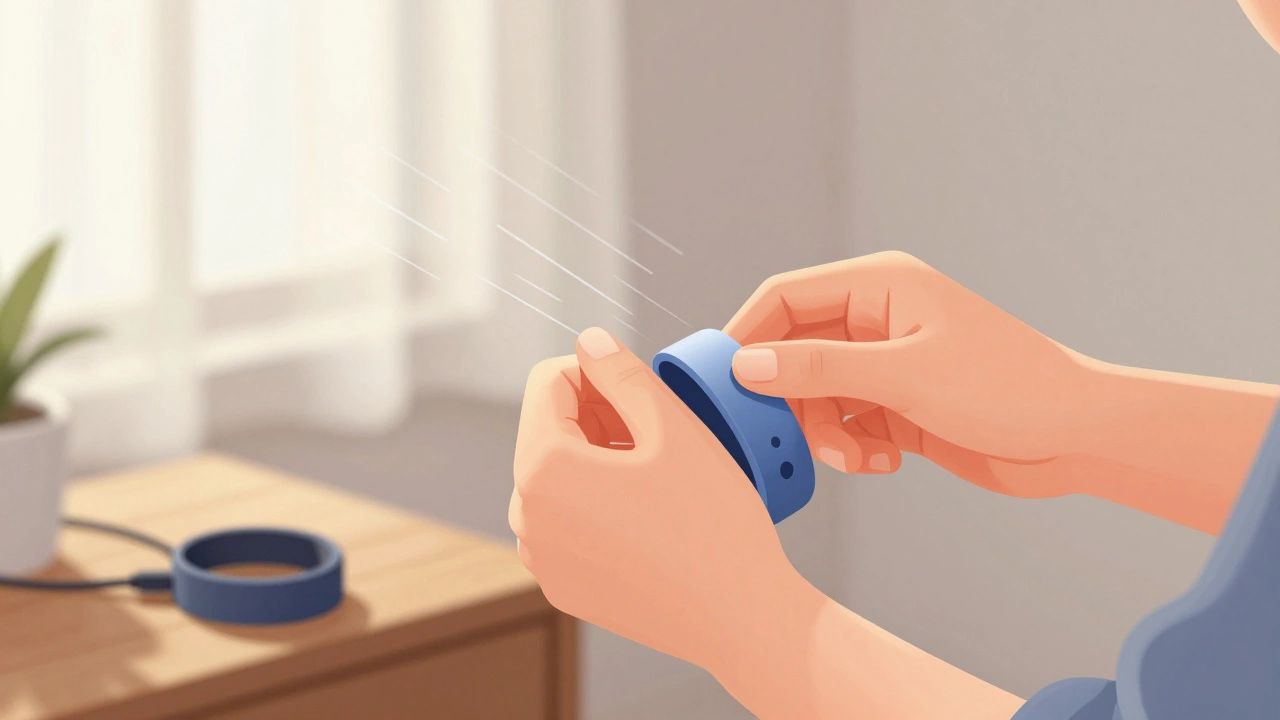
Practical annoyances play a huge role here. Even in 2026, battery technology hasn't fully solved the daily charging requirement for high-end Smartwatch devices. If your gadget lasts three days, that's manageable. If it needs charging every 18 hours, it interrupts your routine.
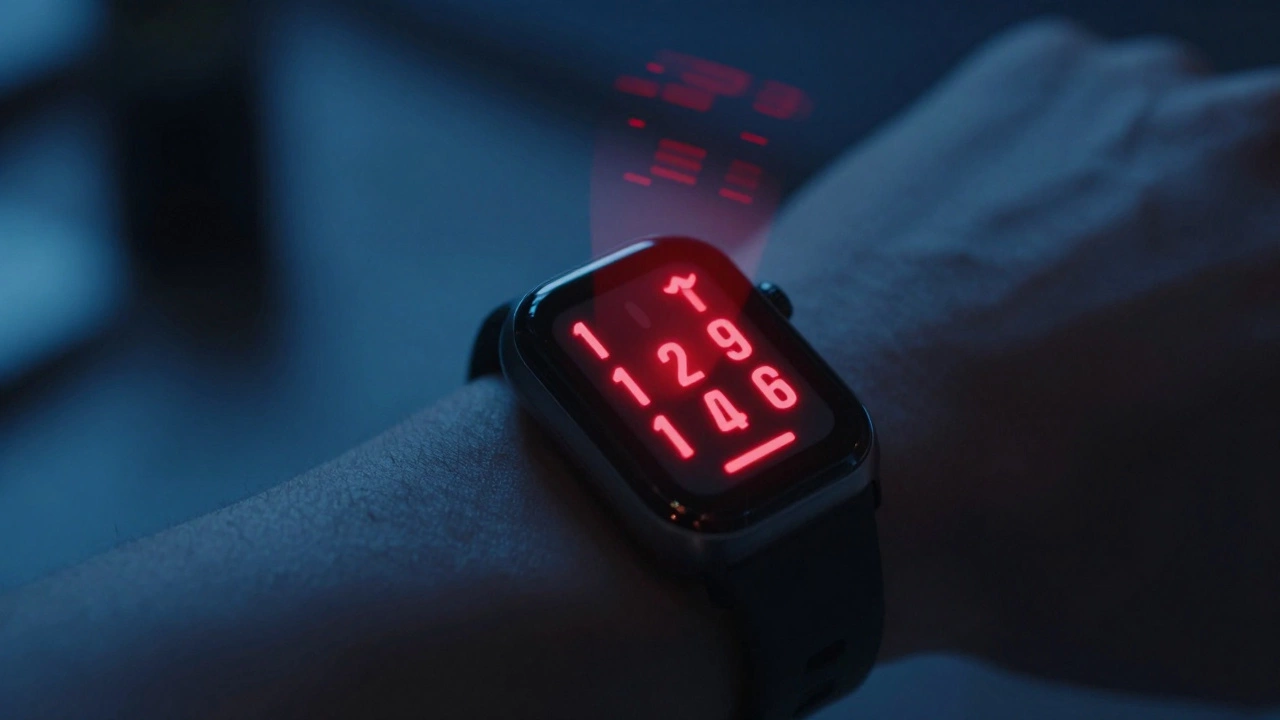
This friction creates a cycle of neglect. You forget to charge it Tuesday, miss your data Wednesday, and then feel disconnected from your progress by Friday. Eventually, you leave it in a drawer. Once the data streak breaks, the motivational glue dissolves. Instead of seeing the device as a tool, it becomes a burden sitting on your nightstand, glowing red lights at you while you sleep.
Beyond charging, skin irritation is another hidden cost. Metal bands trap sweat and bacteria, leading to rashes or dermatitis. Some users notice increased sensitivity to the silicone straps used on cheaper models. If you develop recurring skin issues despite cleaning the band, your body is signaling a rejection of the hardware itself.
Accuracy Issues and Medical Limits
We need to be honest about what these gadgets measure. They are great for trends, but terrible for absolute medical diagnostics. In 2026, we have seen significant improvements in optical heart rate sensors compared to the late 2010s, yet they still struggle during high-intensity interval training (HIIT) or rapid movements.
If you are an athlete training for a triathlon, a standard consumer tracker might give you false VO2 Max readings, confusing your training zones. For general population health-like managing mild hypertension or staying active-a basic pulse check is usually sufficient. Relying on the device for serious symptoms, like detecting arrhythmia, carries risk. While some devices now carry FDA clearance for atrial fibrillation detection, they are screening tools, not diagnostic instruments. If you have underlying heart conditions, consult a doctor before using the tracker as a primary monitor.

When Should You Keep It?
I am not saying you should throw your device in the bin immediately. There are specific scenarios where the benefits far outweigh the negatives.
- Objective Feedback Loop: If you are someone who tends to be sedentary and unaware of your movement, the gentle nudge of a vibration reminder to stand up can genuinely prevent the harms of prolonged sitting.
- Emergency Safety: Fall detection and SOS features on many modern units provide genuine peace of mind for seniors or those with fall risks.
- Sleep Apnea Detection: Newer models in 2026 track snoring intensity and oxygen saturation drops better than ever, providing clues about sleep quality that you might otherwise ignore.
- Habit Formation: For early adopters of new routines, visual gamification helps establish a new behavior pattern, like stretching daily or drinking water.
The key is to set boundaries. Turn off notifications during dinner. Limit the screen time you spend reviewing yesterday's stats. Treat the data as a snapshot, not a judgment of your worth.
Alternatives to Digital Tracking
If you decide to stop wearing a tracker, don't abandon your health goals. There are effective non-digital ways to stay connected to your body.
- The Body Scan Method: Every evening, ask yourself honestly: Did I move today? How did my energy levels fluctuate? This reconnects you with interoception-the ability to sense internal bodily states-which digital screens often block.
- Activity-Based Clothing: Simply dressing in appropriate gear prompts the brain to engage in activity without needing a notification.
- Journaling: Writing down how you felt after a workout in a notebook creates a record of performance and mood without data leaks.
- Social Accountability: Walking with a friend provides immediate feedback on pace and effort without requiring a sensor.
Conclusion on Device Utility
Ultimately, the decision comes down to a simple test. Does the device make you feel more capable, energetic, and informed? Or does it make you feel anxious, fatigued, and self-conscious? Technology serves you; you do not serve technology. If the balance has tipped toward frustration, taking a two-week break can reset your perspective. Re-evaluate then. Sometimes, the best upgrade isn't a newer model, but simply stepping away from the screen entirely.
Can fitness trackers actually improve longevity?
Research suggests a correlation between consistent movement tracked by devices and lower mortality rates, but this is largely due to the act of moving itself, not the device. Users who utilize the device to increase overall daily steps often live longer than sedentary individuals, regardless of whether they own a tracker.
Is it safe to remove a tracker permanently?
Absolutely. Removing the device stops data collection and removes the daily maintenance task. As long as you remain mindful of your activity levels through other means, you will not lose significant health benefits by going analog.
Does wearing a tracker interfere with sleep?
Many experts suggest removing the device before bed to allow uninterrupted relaxation. Constant proximity to LED lights and vibrations can disturb REM cycles. Additionally, the anxiety of viewing poor sleep scores can lead to sleep-onset insomnia.
How often should I charge my wearable?
Ideally once per week to once per month, depending on the battery technology and GPS usage. However, most entry-level trackers still require daily charging in 2026 to maintain full functionality including heart rate monitoring.
What happens to my data if I delete the app?
Simply deleting the app does not erase your data from the company's servers. To fully wipe your information, you must navigate to the account settings online and select the "Delete Account" option, which triggers a data purge process that typically takes 30 days.