What Type of Protein Powder Is Best for Weight Loss?
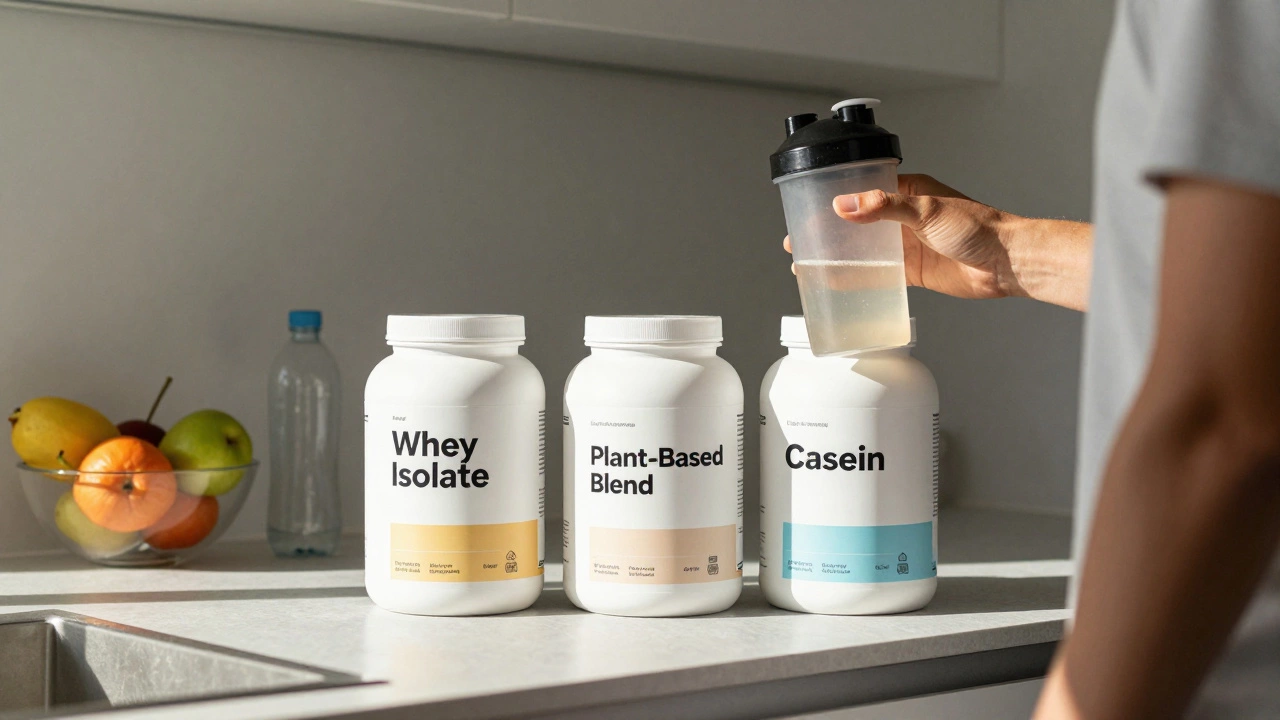
When you're trying to lose weight, protein isn't just helpful-it's essential. It keeps you full longer, protects your muscle mass during calorie cutting, and boosts your metabolism just by being digested. But not all protein powders are created equal. If you pick the wrong one, you could end up consuming hidden sugars, empty calories, or ingredients that spike your blood sugar and make cravings worse.
Why protein matters for weight loss
Studies show that people who consume higher amounts of protein while dieting lose more fat and keep more muscle than those who don’t. A 2020 analysis of 30 clinical trials found that participants who got 25-30% of their daily calories from protein lost 25% more body fat over 12 weeks than those on lower-protein diets. That’s not a small edge-it’s the difference between losing inches and just losing water weight.
Here’s how protein helps:
- It reduces hunger hormones like ghrelin and boosts satiety hormones like GLP-1 and PYY.
- Your body burns 20-30% of the calories from protein just to digest it-compared to 5-10% for carbs and 0-3% for fat.
- It prevents muscle loss when you’re in a calorie deficit. Losing muscle slows your metabolism, making future weight loss harder.
So if you’re using protein powder, it’s not a magic shake. It’s a tool to help you hit your daily protein target without overeating.
Whey protein: the most researched option
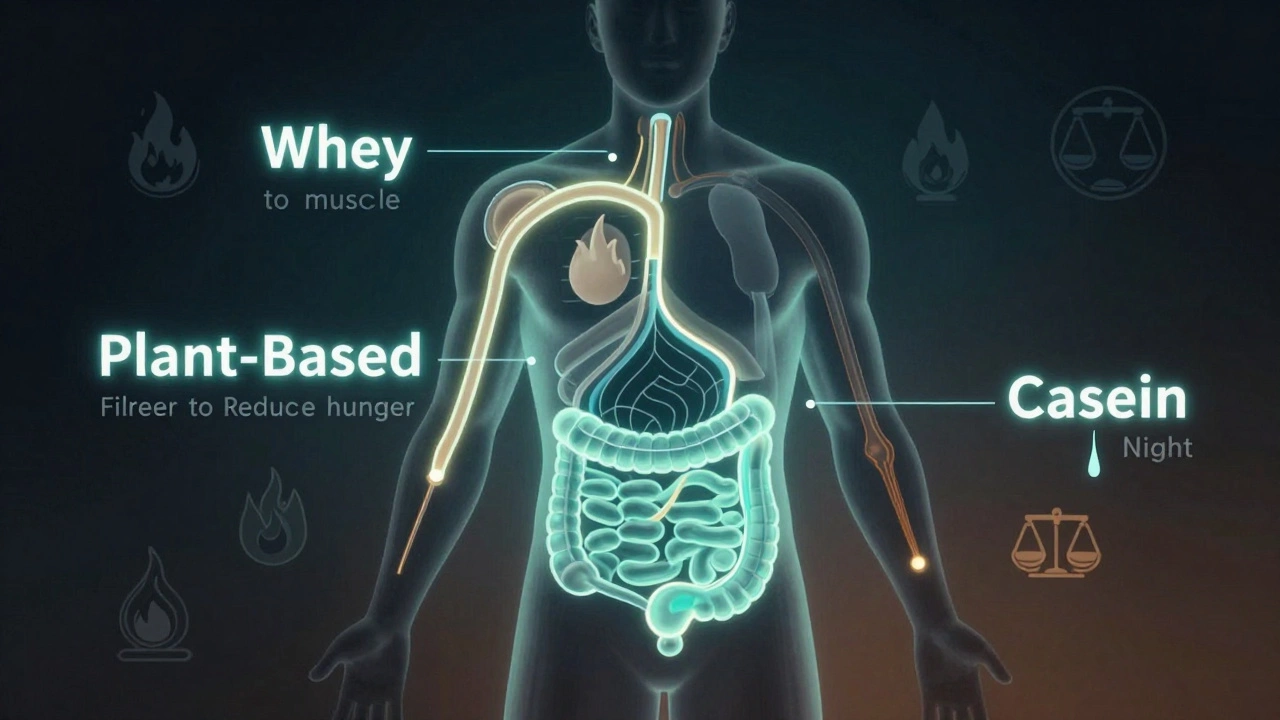
Whey protein comes from milk. It’s fast-digesting, rich in leucine (a key amino acid for muscle repair), and has the most scientific backing for weight loss. In a 2023 study published in the Journal of Nutrition and Metabolism, overweight adults who drank 20 grams of whey protein 30 minutes before meals lost 4.5% more body fat over 16 weeks than those who didn’t.
Not all whey is the same:
- Whey isolate is 90%+ protein, with almost no fat or lactose. Best if you’re sensitive to dairy or want to avoid extra calories.
- Whey concentrate is 70-80% protein, with more lactose and fat. Cheaper, but can spike blood sugar if you’re insulin resistant.
If you’re choosing whey, look for products with less than 3 grams of sugar per serving and no artificial sweeteners like sucralose or acesulfame K. Stevia or monk fruit are better choices.
Plant-based proteins: good alternatives
Many people avoid dairy for ethical, digestive, or lifestyle reasons. That’s fine-plant-based proteins can work just as well. The key is combining sources to get all nine essential amino acids.
Pea protein is the most effective single-source plant protein for weight loss. It’s high in branched-chain amino acids and has been shown in a 2021 study to reduce appetite as effectively as whey. Soy protein is another solid option-it’s a complete protein and has been linked to improved fat metabolism in multiple trials.
But beware of blends that rely too much on rice or hemp protein. These are low in lysine and leucine. A good plant-based blend should include:
- Pea protein
- Soy protein
- Chia or flaxseed (for fiber)
- Optional: brown rice or quinoa for extra amino acid coverage
Also check for added fiber. A 2024 study in the European Journal of Clinical Nutrition found that protein powders with 5+ grams of soluble fiber per serving helped participants eat 15% fewer calories over the next 24 hours.
Casein protein: the slow-release option
Casein is another milk-derived protein, but it digests slowly. That makes it ideal for nighttime use or when you need to stay full for hours. One small 2022 trial showed that overweight women who took 40 grams of casein before bed burned 10% more fat overnight than those who didn’t.
It’s not your go-to for daytime shakes, but if you struggle with late-night snacking, a casein shake before bed can be a game-changer. Look for micellar casein-it’s the least processed form and retains the full amino acid profile.
What to avoid
Not every protein powder labeled “weight loss” is actually helpful. Some are just sugar bombs with a protein label.
Steer clear of these red flags:
- More than 5 grams of sugar per serving
- Artificial sweeteners like aspartame or sucralose (they can trigger cravings in some people)
- Added caffeine or stimulants (they might help short-term, but they’re not sustainable and can wreck sleep)
- Proprietary blends (if the label says “blend of proteins” without listing exact amounts, walk away)
- Excessive fillers like maltodextrin or dextrose
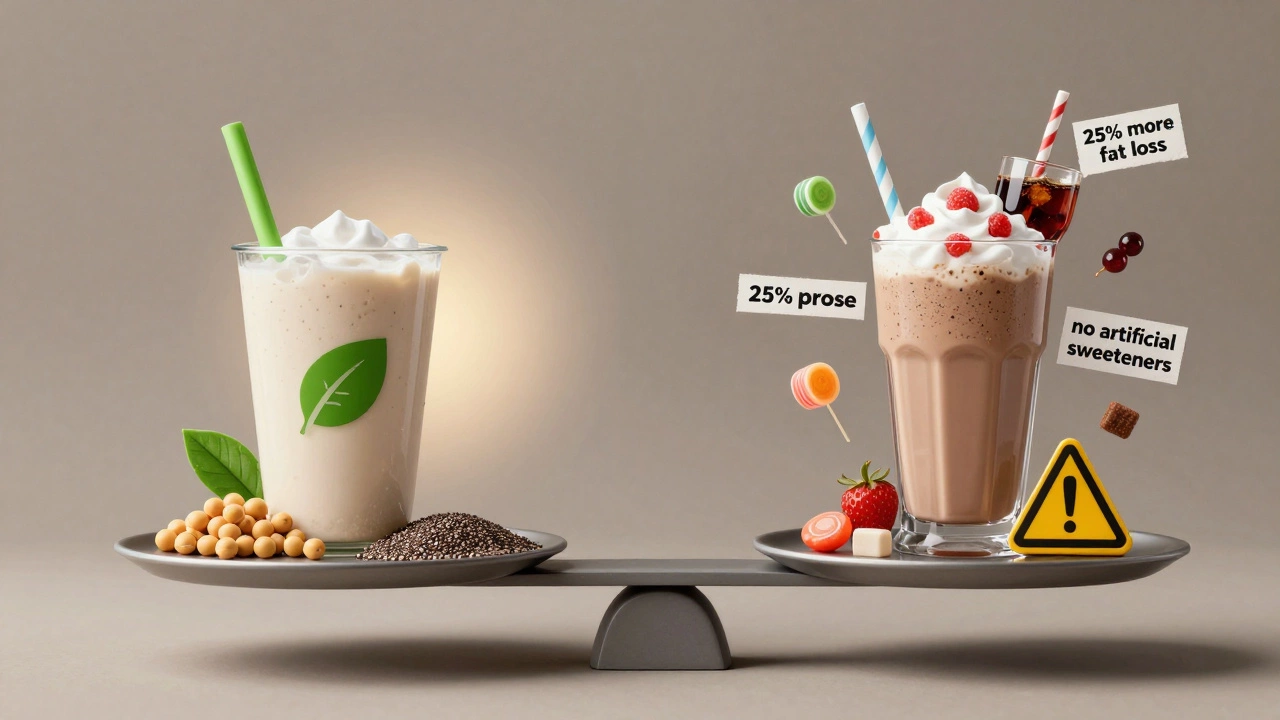
One popular brand that fits this profile? A shake marketed as a “metabolism booster” that has 18 grams of sugar and 12 grams of maltodextrin per serving. That’s more sugar than a soda. It won’t help you lose weight-it’ll sabotage it.
How to use protein powder for weight loss
Protein powder isn’t a meal replacement. It’s a supplement. Here’s how to use it right:
- Use it to hit your daily protein goal-aim for 1.6-2.2 grams of protein per kilogram of body weight.
- Drink it 30 minutes before meals to reduce appetite.
- Swap one high-calorie snack (like a granola bar or pastry) for a protein shake.
- Don’t add it to smoothies with fruit juice or honey. That turns a low-calorie tool into a sugary dessert.
- Stick to water or unsweetened almond milk as your base.
Example: A 70kg person needs about 120-150 grams of protein daily. If they get 80 grams from food, a 30-gram protein shake covers the rest without adding 500 extra calories.
Top picks based on real data
Here are three options backed by ingredient quality and clinical results:
| Product Type | Protein per Serving | Sugar per Serving | Fiber per Serving | Best For |
|---|---|---|---|---|
| Optimum Nutrition Gold Standard Whey IsolateA whey isolate with 24g protein, 1g sugar, and no artificial sweeteners. | 24g | 1g | 0g | General weight loss, dairy-tolerant |
| Orgain Organic Plant-Based ProteinA pea, brown rice, and chia blend with 21g protein, 1g sugar, and 5g fiber. | 21g | 1g | 5g | Plant-based, appetite control |
| Now Foods CaseinMicellar casein with 24g protein, 2g sugar, and slow-digesting properties. | 24g | 2g | 0g | Nighttime cravings, muscle preservation |
All three have third-party testing (NSF Certified for Sport or Informed Choice), meaning no hidden stimulants or contaminants. That’s not just a nice-to-have-it’s critical.
Final advice: match the powder to your habits
The best protein powder for weight loss is the one you’ll actually use consistently. If you hate the taste of whey, don’t force it. Try a plant-based blend. If you snack at night, grab casein. If you’re sensitive to dairy, go plant. But whatever you choose, read the label. Look for low sugar, no junk additives, and at least 20 grams of protein per serving.
Protein powder won’t make you lose weight on its own. But used right, it removes one of the biggest obstacles: hunger. And that’s half the battle.
Can protein powder help you lose belly fat specifically?
No supplement targets fat loss in one area. But higher protein intake helps you lose more fat overall-including belly fat-by preserving muscle and reducing appetite. Studies show that people who consume more protein while dieting lose more visceral fat (the dangerous kind around organs) than those on low-protein diets.
Is plant protein as effective as whey for weight loss?
Yes, when it’s a well-formulated blend. Pea and soy protein have been shown in multiple studies to reduce hunger and support muscle retention just as well as whey. The key is getting enough leucine and combining sources to cover all essential amino acids. A good plant blend with fiber is often better than a sugary whey shake.
Should I drink protein powder on non-workout days?
Yes. Muscle preservation happens even on rest days, especially when you’re in a calorie deficit. Protein helps maintain your metabolism. Skipping it on off-days can lead to muscle loss, which slows fat burning over time. Aim for consistent intake, not just on workout days.
Can I use protein powder as a meal replacement?
Occasionally, yes-but not regularly. A protein shake lacks fiber, healthy fats, and micronutrients found in whole foods. Use it to fill a protein gap, not to replace a balanced meal. If you’re using it to replace lunch or dinner daily, you’re likely missing out on vitamins, antioxidants, and satiating fats that help with long-term weight control.
How long before I see results?
With consistent use and a calorie deficit, most people notice reduced hunger and improved energy within 1-2 weeks. Visible fat loss typically shows up in 4-6 weeks. The biggest changes come when protein becomes part of a routine-not a quick fix.