What Is the Failure Rate of Personal Trainers?

Personal Trainer Earnings Calculator
Your Monthly Earnings
Gross Income: £0.00
Net Income: £0.00
Hourly Rate: £0.00/hr
How many personal trainers quit before their first year is up? It’s a question most people never ask - until they hire one, pay for a package, and then watch their trainer disappear. The truth? The personal training industry has one of the highest turnover rates of any profession. And it’s not because people don’t care about fitness. It’s because the system is broken.
One in Three Doesn’t Last a Year
According to data from the International Health, Racquet & Sportsclub Association (IHRSA), roughly 35% of newly certified personal trainers leave the industry within the first 12 months. That’s not a small number - it’s nearly one in three. And it gets worse. By year three, fewer than 10% are still actively working as full-time trainers. The rest either switch to other roles in fitness, leave the industry entirely, or work part-time while holding another job just to make ends meet.
Why does this happen? It’s not because they’re lazy or unmotivated. Most trainers enter the field because they love helping people get stronger, healthier, and more confident. But passion doesn’t pay the rent. The average personal trainer in the UK earns between £15 and £25 per hour, depending on location and experience. After taxes, gym commissions, equipment costs, and marketing, many are left with less than £12 an hour net. That’s barely above minimum wage - and it comes with zero benefits, no sick pay, and no pension.
The Gym Commission Trap
Most trainers start at commercial gyms like PureGym, Anytime Fitness, or David Lloyd. These places offer easy access to clients - but at a steep price. Trainers typically get paid only 30-50% of what the client pays per session. So if a client pays £50 for a session, the trainer might see £15-£25. That sounds okay until you realize most trainers need 20-30 sessions a week just to hit £1,000 net. That’s five days a week, six hours a day, with no weekends off.
And here’s the catch: those sessions aren’t guaranteed. Clients cancel. They move. They lose motivation. Trainers spend hours each week chasing new clients just to replace the ones who left. Many end up working 50-60 hours a week - not for money, but to avoid going broke. It’s a treadmill with no off-ramp.
Training Isn’t the Problem - Business Is
Most personal training certifications focus on anatomy, programming, and coaching techniques. They don’t teach you how to run a business. No course explains how to set prices, manage cash flow, handle taxes, or build a client base. Trainers are expected to figure it out on their own. And when they can’t, they burn out.
Think about it: you’re a certified trainer with a Level 3 qualification. You’ve studied nutrition, injury prevention, and exercise science. But you’ve never been taught how to invoice a client, write a contract, or use Instagram to attract leads. You’re expected to be a coach, a marketer, a bookkeeper, and a salesperson - all while working 12-hour days. It’s no wonder so many quit.
The Rise of the Independent Trainer
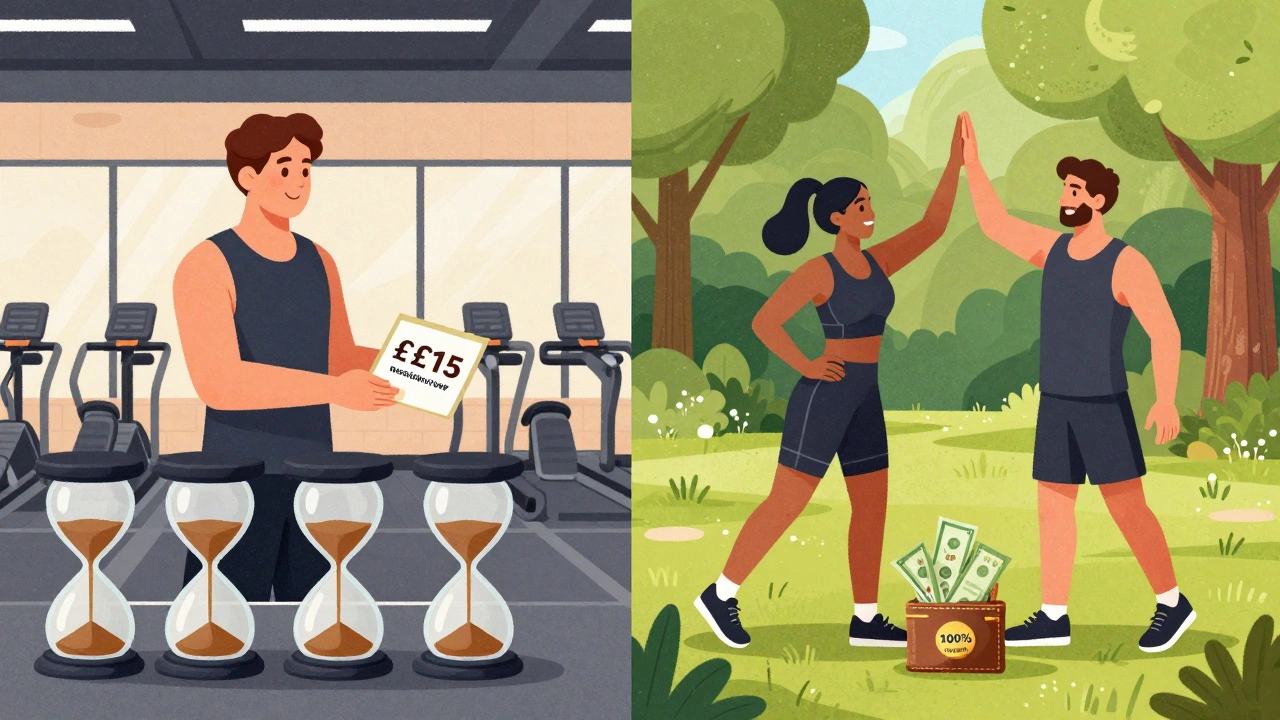
The trainers who survive - and thrive - are the ones who break away from the gym model. They rent space in community centres, run outdoor sessions, or train clients in their own homes. Some build online coaching programs. Others combine training with nutrition planning or mobility workshops. These trainers don’t rely on gym commissions. They set their own rates - often £40-£80 per hour - and they keep 100% of what they earn.
But here’s the reality: only about 15% of trainers ever make the leap to independence. It takes time, savings, and courage. Most don’t have the resources to quit their part-time job and risk six months without income. So they stay stuck - working long hours for low pay, hoping things will get better.
What Happens to Those Who Leave?
When trainers leave the industry, they don’t vanish. They often move into related fields. Many become fitness managers, group class instructors, or wellness coaches. Others switch to physical therapy, physiotherapy, or sports science roles. Some even leave fitness entirely - becoming teachers, office workers, or entrepreneurs in unrelated industries.
The ones who leave because they’re burnt out rarely come back. The emotional toll is real. They’ve seen clients lose motivation, get injured, or give up. They’ve worked through holidays, weekends, and late nights - only to be treated like disposable staff. When the passion fades and the bills pile up, walking away isn’t a failure. It’s survival.

Is There a Better Way?
Yes - but it requires change. Gyms need to offer fairer pay structures. Certification bodies need to include business training. Clients need to understand that personal training is a skilled profession - not a side gig.
Some forward-thinking gyms are starting to pay trainers a flat hourly rate instead of commission. Others offer benefits like health insurance, paid training days, or retirement contributions. These places have lower turnover. Their trainers stay longer. Their clients see better results.
And clients? They can help too. Paying a trainer fairly - even if it’s £60 an hour - means they’re more likely to stick around. A trainer who’s financially stable is more focused, more consistent, and more invested in your progress.
The Real Cost of a Cheap Trainer
It’s easy to hire the cheapest trainer because they’re £10 cheaper per session. But what’s the real cost? If that trainer leaves after three months, you’ve wasted your money - and your momentum. You’ve lost the accountability, the structure, the motivation they provided. Now you’re back to square one.
Investing in a trainer who stays - who’s paid enough to make this their career - is an investment in your long-term health. It’s not just about workouts. It’s about building a relationship with someone who’s committed to seeing you through.
Final Thought: It’s Not About Passion
People think personal training is about passion. It’s not. It’s about sustainability. Passion gets you through the first six months. Business sense keeps you alive after year two.
The failure rate isn’t high because trainers don’t care. It’s high because the system doesn’t care about them. And until that changes, the cycle will keep repeating - new trainers come in, get crushed by the grind, and leave. The fitness industry will keep growing. But the people who make it happen? They’ll keep disappearing.