How to Lose 20 Pounds in a Month: Realistic Steps and Risks
Safe Weight Loss Calculator
Your Inputs
Weight Loss Goals
Results will appear here
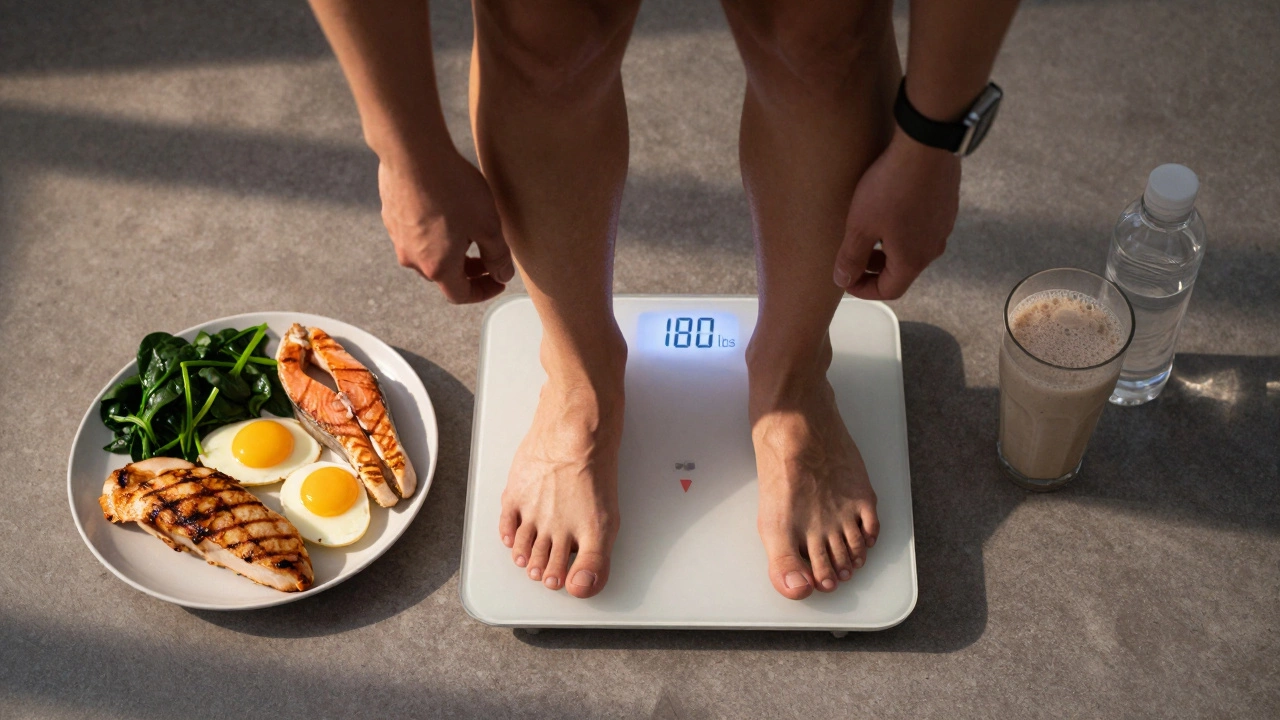
Losing 20 pounds in a month sounds like a dream-until you realize it means shedding about 5 pounds a week. That’s more than double the safe, sustainable rate experts recommend. While it’s technically possible for some people, it’s rarely healthy, and often unsustainable. If you’re asking this question, you’re probably frustrated, motivated, or maybe even desperate. Let’s cut through the noise: here’s what actually happens when you try to lose 20 pounds in 30 days, and how to do it without wrecking your health.
Is losing 20 pounds in a month even possible?
Yes-but only under very specific conditions. The CDC says a healthy rate is 1 to 2 pounds per week. So 4 to 8 pounds in a month is the norm. Losing 20 pounds in 30 days means you’re aiming for 5 pounds per week. That requires a daily calorie deficit of around 2,500 calories. For most people, that’s not just extreme-it’s dangerous. You’d need to eat almost nothing and exercise for hours every day.
Realistically, a large portion of that initial weight loss won’t even be fat. Up to 60% in the first week is water weight. That’s why people on extreme diets see the scale drop fast. But once your body adjusts, the drop slows. And if you’re not careful, you’ll lose muscle, slow your metabolism, and trigger intense cravings.
What actually works: the science behind rapid weight loss
To lose 20 pounds in a month, you need three things: a massive calorie deficit, high protein intake, and intense physical activity. No shortcuts. No magic pills. Just hard, consistent effort.
Let’s break it down:
- Calorie deficit: You need to burn more than you eat. For most adults, that means eating under 1,200 calories a day-only if you’re very small or very active. Most women need at least 1,500; men need 1,800+ just to avoid metabolic damage.
- Protein intake: Aim for 1.2 to 1.6 grams of protein per pound of body weight. If you weigh 200 pounds, that’s 240-320 grams of protein daily. That’s a lot. Think grilled chicken, eggs, whey protein, tofu, and lean fish. Protein keeps you full and protects muscle.
- Exercise: You’ll need at least 60-90 minutes of activity every day. Combine strength training (to hold onto muscle) with high-intensity cardio (to burn fat). Think HIIT sessions, brisk walking, cycling, or swimming. No days off.
One study from the Journal of Obesity in 2023 tracked people who lost 18-22 pounds in 30 days. They all followed a strict 1,200-calorie, high-protein plan with daily exercise. The catch? 72% of them regained the weight within six months. Why? Because they didn’t learn how to eat sustainably.
The hidden dangers of rapid weight loss
It’s not just about the scale. Your body reacts to extreme calorie restriction like it’s starving.
- Muscle loss: When you don’t eat enough, your body breaks down muscle for energy. That lowers your metabolism, so you burn fewer calories even at rest.
- Hormonal chaos: Your leptin and ghrelin levels (the hunger and fullness hormones) go haywire. You’ll feel hungrier than ever, even after eating.
- Nutrient deficiencies: Cutting calories too much means skipping essential vitamins. Iron, B12, magnesium, and zinc drop fast. That leads to fatigue, hair loss, and mood swings.
- Heart strain: Rapid weight loss can cause electrolyte imbalances. In rare cases, it triggers arrhythmias. People with existing heart conditions should avoid this entirely.
And then there’s the mental toll. People who try this often report obsessive thoughts about food, anxiety, and even disordered eating patterns. It’s not a quick fix-it’s a risk.
What a real 30-day plan looks like
Let’s say you’re a 180-pound woman with moderate activity. Here’s a realistic daily structure:
- Breakfast: 4 eggs, 1 cup spinach, 1/2 avocado. (500 calories, 35g protein)
- Snack: 1 scoop whey protein shake with water. (120 calories, 25g protein)
- Lunch: 6 oz grilled chicken, 1 cup broccoli, 1/2 cup quinoa. (450 calories, 45g protein)
- Snack: Greek yogurt (unsweetened), 10 almonds. (180 calories, 12g protein)
- Dinner: 5 oz salmon, 1 cup kale salad with olive oil. (400 calories, 30g protein)
Total: ~1,650 calories, 147g protein.
Now add:
- 45 minutes of strength training (bodyweight or weights) 5 days a week
- 30 minutes of brisk walking or cycling every day
- 7-8 hours of sleep
- 3 liters of water
That’s the plan. You might lose 12-16 pounds in 30 days-not 20. But you’ll keep the muscle, your energy will stay stable, and you’ll actually learn how to eat this way long-term.
Who should NOT try this
This isn’t for everyone. Avoid this approach if you:
- Have a history of eating disorders
- Are under 18 or over 65
- Have diabetes, thyroid issues, or heart disease
- Are pregnant or breastfeeding
- Take medications that affect metabolism or appetite
If any of this sounds like you, talk to a doctor before making drastic changes. There’s no prize for losing weight fast. Health comes first.

What to do after 30 days
If you made it through the month, congratulations. But now comes the real test: keeping it off.
Start by adding 200-300 calories back into your diet each week. Replace extreme cardio with enjoyable movement-dancing, hiking, swimming. Slowly increase portion sizes. Learn to listen to hunger cues. The goal isn’t to stay on a 1,200-calorie diet forever. It’s to build habits that last.
Most people who lose weight fast regain it because they go back to old habits. The real win isn’t the number on the scale-it’s learning how to live differently.
Why most people fail
They think it’s about willpower. It’s not. It’s about structure.
People who succeed at rapid weight loss have:
- Meal prep done ahead of time
- Food tracked daily (apps like MyFitnessPal help)
- A support system (friend, coach, online group)
- Clear, non-scale goals (e.g., "I’ll walk 10,000 steps daily")
Without those systems, hunger wins. Stress wins. Exhaustion wins. And the weight comes back.
Bottom line: Can you do it?
You can. But you shouldn’t. Unless you’re under medical supervision, trying to lose 20 pounds in a month is more likely to hurt than help. The body isn’t a machine you can crash-diets into shape. It’s a complex system that needs balance.
If you want real, lasting change, aim for 1-2 pounds a week. That’s 4-8 pounds in a month. It’s slower. It’s safer. And you’ll keep it off for life.
Want to lose fat without starving? Focus on protein, sleep, movement, and consistency-not speed. The pounds will drop. And this time, they’ll stay gone.
Can you lose 20 pounds in a month without exercise?
It’s possible, but extremely difficult and risky. Without exercise, nearly all the weight lost will come from muscle and water-not fat. Your metabolism will slow down, making it harder to keep the weight off. You’ll also feel exhausted, weak, and hungrier than ever. Exercise isn’t optional if you’re trying to lose fat sustainably.
What foods should I eat to lose 20 pounds fast?
Focus on high-protein, low-carb, low-sugar foods: eggs, chicken, fish, tofu, Greek yogurt, cottage cheese, leafy greens, broccoli, cauliflower, and non-starchy vegetables. Avoid processed foods, sugary drinks, bread, pasta, and fried items. Drink water, black coffee, or unsweetened tea. Plan every meal ahead-no guessing.
Will I regain the weight after losing 20 pounds in a month?
Yes, if you go back to your old eating habits. Studies show that over 70% of people who lose weight rapidly regain it within a year. The body fights to return to its previous weight. To avoid this, slowly increase calories, build sustainable habits, and keep moving. Long-term success isn’t about how fast you lose-it’s about how well you learn to live.
Is a keto diet the best way to lose 20 pounds in a month?
Keto can lead to fast initial weight loss because it flushes out water and carbs. But it’s not magic. You still need a calorie deficit. Many people feel terrible on keto-fatigue, brain fog, constipation. It’s hard to sustain, and cutting out entire food groups can lead to nutrient gaps. It’s not safer or better than other methods-it’s just different.
How much water should I drink while trying to lose weight fast?
Drink at least 3 liters (about 13 cups) daily. Water helps control hunger, flushes out waste, and supports metabolism. Dehydration can make you feel tired or hungry when you’re not. Keep a bottle with you all day. If your urine is pale yellow, you’re hydrated.