Can I Lose Noticeable Weight in 2 Weeks? A Realistic Guide
Two-Week Weight Loss Calculator
Estimate your realistic weight loss potential based on daily calorie deficit and exercise routine.
Your Two-Week Projection
Two weeks. That is the timeframe many of us stare at when a wedding invitation arrives, a summer holiday looms, or we simply want to feel better in our clothes by next month. The question is urgent and honest: Can you actually lose noticeable weight in just fourteen days?
The short answer is yes. But the long answer requires managing your expectations about what "noticeable" means and how much of that number on the scale is actual body fat versus water weight. If you are looking for a miracle, you might be disappointed. If you are looking for a realistic, science-backed strategy to drop a few pounds and look leaner quickly, you are in the right place.
What Does "Noticeable" Actually Mean?
Before we talk about weight loss exercises, we need to define success. In a two-week window, losing pure body fat is limited by biology. To lose one pound of fat, you need a calorie deficit of roughly 3,500 calories. Over two weeks (14 days), that means a daily deficit of 250 calories to lose one pound total. That is modest.
However, "noticeable" changes often come from water weight and bloating reduction. When you cut back on processed foods, excess sodium, and refined carbs, your body sheds retained water. This can result in a scale drop of 2 to 5 pounds in the first week alone. While this isn't all fat, it makes your face look less puffy, your waistline tighter, and your clothes fit better. That is the "noticeable" change most people experience in a fortnight.
Is it healthy to lose weight quickly?
Losing 1-2% of your body weight per week is generally considered safe. Rapid weight loss beyond this can lead to muscle loss, nutrient deficiencies, and gallstones. Focus on sustainable habits rather than extreme restriction.
The Two-Week Strategy: Food First, Movement Second
You cannot out-exercise a bad diet, especially in such a short timeframe. To see results in two weeks, your nutrition must be precise. Here is the blueprint:
- Cut Refined Carbs: White bread, pasta, sugar, and pastries cause insulin spikes that promote fat storage and water retention. Switch to non-starchy vegetables like spinach, broccoli, and zucchini. Keep complex carbs like oats or quinoa for post-workout meals only.
- Prioritize Protein: Protein keeps you full and preserves muscle mass while you lose fat. Aim for 0.7 to 1 gram of protein per pound of goal body weight. Chicken breast, fish, tofu, eggs, and Greek yogurt are excellent choices.
- Hydrate Aggressively: It sounds counterintuitive, but drinking more water helps flush out excess sodium and reduces water retention. Aim for 2 to 3 liters daily. Herbal teas like dandelion root or green tea can also act as mild diuretics.
- Eliminate Liquid Calories: Soda, juice, and alcohol add hundreds of empty calories without satisfying hunger. Stick to water, black coffee, or unsweetened tea.
This approach creates a natural calorie deficit without making you feel starving. You will likely notice reduced bloating within the first three to five days.
Best Weight Loss Exercises for Rapid Results
While diet drives the majority of weight loss, exercise accelerates fat burning and shapes your physique. For a two-week sprint, you need workouts that maximize calorie burn in minimal time. Here are the most effective types of movement:
High-Intensity Interval Training (HIIT)
HIIT involves short bursts of intense effort followed by brief rest periods. It triggers the "afterburn effect" (EPOC), where your body continues to burn calories for hours after the workout. Try this 20-minute routine three times a week:
- Warm-up: 5 minutes of brisk walking or light jogging.
- Interval: 30 seconds of sprinting (or burpees/jump squats) followed by 30 seconds of rest.
- Repeat: 8 to 10 rounds.
- Cool-down: 5 minutes of stretching.
Strength Training
Muscle tissue burns more calories at rest than fat tissue. Incorporating full-body strength training twice a week helps maintain your metabolism during a calorie deficit. Focus on compound movements that engage multiple muscle groups:
- Squats
- Lunges
- Push-ups
- Planks
- Deadlifts (if you have access to weights)
Perform 3 sets of 10-12 repetitions for each exercise. This builds lean muscle tone, which contributes to a more defined appearance even if the scale doesn't move dramatically.
Daily Walking
Don't underestimate the power of low-intensity steady-state cardio. Walking 10,000 steps a day adds up to significant calorie expenditure without spiking cortisol (stress hormone) levels, which can hinder fat loss. Make it a habit to walk after meals to aid digestion and reduce blood sugar spikes.
| Exercise Type | Calorie Burn (per session) | Frequency | Key Benefit |
|---|---|---|---|
| HIIT | High (200-400 kcal) | 3x/week | Afterburn effect, time-efficient |
| Strength Training | Moderate (150-300 kcal) | 2x/week | Muscle preservation, metabolic boost |
| Walking | Low-Moderate (100-200 kcal) | Daily | Recovery, consistency, stress reduction |

The Role of Sleep and Stress
If you are cutting calories and exercising hard but not sleeping, you are fighting against your own hormones. Lack of sleep increases ghrelin (the hunger hormone) and decreases leptin (the satiety hormone). This makes you crave sugary, high-carb foods.
Aim for 7-9 hours of quality sleep per night. Similarly, manage stress through meditation, deep breathing, or gentle yoga. High cortisol levels are linked to abdominal fat storage and water retention. In a two-week window, sleep and stress management can be the difference between feeling sluggish and bloated versus energized and lean.
Common Pitfalls to Avoid
In the rush to see quick results, many people make mistakes that sabotage their progress. Here is what to avoid:
- Starving Yourself: Eating too little slows down your metabolism. Your body goes into "conservation mode," holding onto fat. Eat enough to fuel your workouts and daily activities.
- Overtraining: Doing intense workouts every day leads to fatigue and injury. Rest days are crucial for recovery and muscle repair.
- Focusing Only on the Scale: Water weight fluctuates daily due to salt intake, hydration, and hormonal cycles. Take measurements of your waist, hips, and thighs, and take progress photos. These often show changes before the scale does.
- Detox Teas and Pills: Most "detox" products are just laxatives or diuretics. They cause temporary water loss and digestive distress, not fat loss. Save your money and stick to whole foods.

Sample Two-Day Meal Plan
To give you a concrete starting point, here is a sample meal plan designed to reduce bloating and support fat loss:
Day 1:
- Breakfast: Scrambled eggs with spinach and mushrooms, half an avocado.
- Lunch: Grilled chicken salad with mixed greens, cucumber, tomatoes, and olive oil vinaigrette.
- Snack: Apple slices with almond butter.
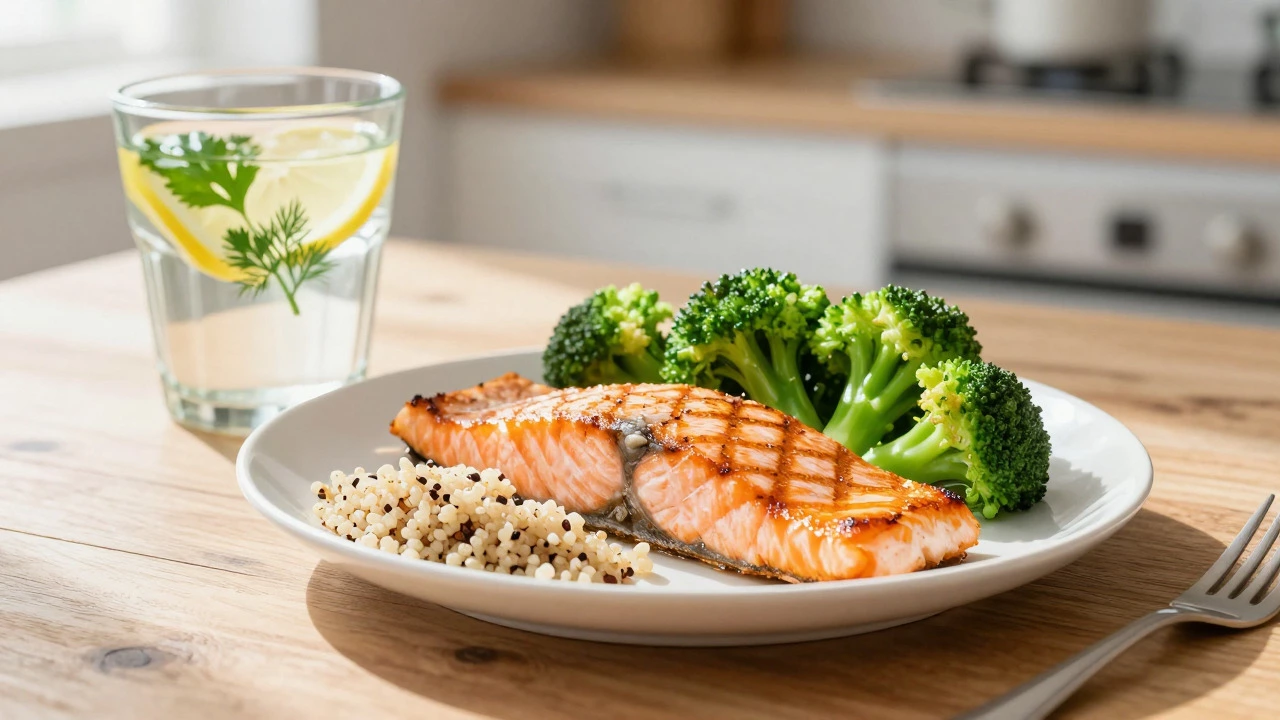
- Dinner: Baked salmon with steamed broccoli and a small portion of quinoa.
Day 2:
- Breakfast: Greek yogurt with berries and chia seeds.
- Lunch: Turkey lettuce wraps with hummus and shredded carrots.
- Snack: Hard-boiled egg and a handful of almonds.
- Dinner: Stir-fried tofu with bell peppers, snap peas, and brown rice.
Setting Realistic Expectations
Let's be clear: Two weeks is a snapshot, not a transformation. You can lose 2-5 pounds of combined fat and water weight. You can reduce bloating significantly. You can establish healthier habits. But lasting weight loss is a marathon, not a sprint.
Use these two weeks as a reset. Show yourself that you can commit to healthy eating and regular movement. Then, transition to a sustainable lifestyle that maintains your results long after the event or deadline has passed. The goal isn't just to look good for two weeks; it's to feel good for years.
How much weight can I realistically lose in 2 weeks?
A realistic goal is 2-5 pounds. This includes both fat loss and water weight. Larger drops are usually unsustainable and primarily water.
Should I fast to lose weight quickly?
Intermittent fasting can help create a calorie deficit, but it is not necessary. Ensure you are getting enough nutrients during your eating windows. Consult a doctor before starting any fasting regimen.
Will I regain the weight after 2 weeks?
If you return to previous unhealthy habits, yes. Use the two weeks to build new routines. Gradually reintroduce foods while maintaining core healthy habits to prevent rebound weight gain.
Are there specific foods that boost metabolism?
No single food drastically boosts metabolism. However, protein-rich foods require more energy to digest (thermic effect of food). Spicy foods with capsaicin may slightly increase calorie burn, but the effect is minimal.
How important is cardio vs. strength training for quick weight loss?
Both are important. Cardio burns more calories during the activity, while strength training builds muscle that boosts resting metabolism. A combination of HIIT and strength training yields the best results.
Can I lose belly fat specifically in 2 weeks?
Spot reduction is a myth. You lose fat from your entire body based on genetics. However, reducing overall body fat and bloating will likely result in a flatter stomach.
What should I drink besides water?
Black coffee and green tea are good options. They contain caffeine which can slightly boost metabolism and suppress appetite. Avoid adding sugar or cream.
Is it okay to cheat on my diet once?
One meal won't ruin your progress, but it might cause temporary water retention. If you choose to eat out, opt for grilled proteins and vegetables, and avoid heavy sauces and fried sides.
How do I track my progress accurately?
Use a combination of methods: weigh yourself once a week under consistent conditions (morning, empty stomach), take weekly photos, and measure your waist circumference. How your clothes fit is also a great indicator.
What if I don't see results on the scale?
Scale weight fluctuates due to water, glycogen, and waste. Look for non-scale victories like increased energy, better sleep, looser clothes, and improved workout performance. Trust the process.