Do Doctors Recommend Fitness Trackers? What the Evidence Says
Fitness Tracker Medical Relevance Checker
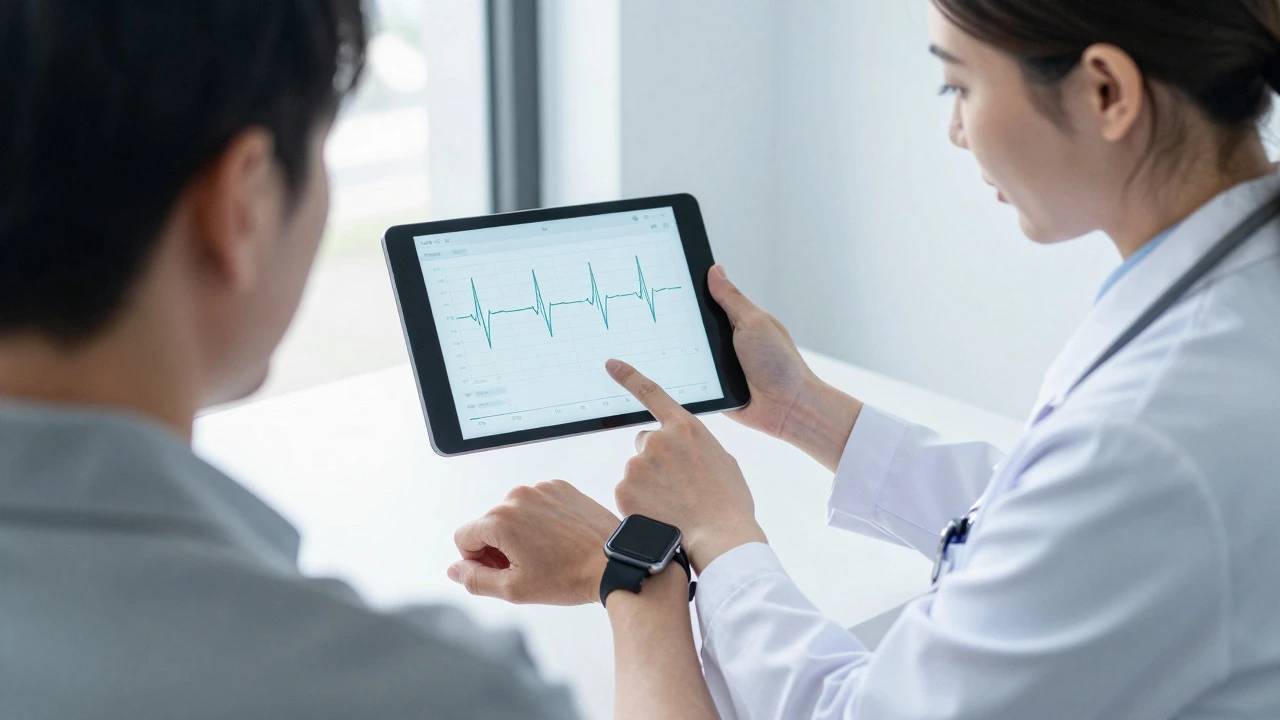
Imagine you’re sitting in a doctor’s office, and they hand you a wristband instead of a prescription. It sounds like science fiction, but for many patients, it’s becoming reality. The question isn’t just whether fitness trackers work; it’s whether your healthcare provider actually trusts them enough to incorporate that data into your treatment plan. The short answer is yes, but with significant caveats. Doctors are increasingly viewing these devices not as magic wands, but as valuable tools for behavioral change and chronic disease management, provided you know how to interpret the numbers correctly.
The Medical Consensus: From Skepticism to Integration
Five years ago, most physicians viewed consumer wearables with suspicion. The data was often noisy, inaccurate, or irrelevant to clinical decision-making. Today, that perspective has shifted dramatically. Major health organizations, including the American Heart Association, have begun acknowledging the utility of continuous physiological monitoring. The shift stems from a simple realization: waiting for a once-a-year checkup misses the vast majority of what happens to your body in between.
Doctors now recommend fitness trackers primarily for two groups: patients managing chronic conditions like type 2 diabetes or hypertension, and individuals trying to establish consistent healthy habits. For the former, the tracker provides objective evidence of lifestyle changes. For the latter, it offers the psychological nudge needed to break sedentary patterns. However, this recommendation comes with a critical condition: the device must be validated for specific metrics. Not all heart rate monitors are created equal, and not all sleep stages are detected with the same accuracy across different brands.
What Data Actually Matters to Your Doctor?
Not every metric on your smartwatch dashboard holds equal weight in a clinical setting. When a physician reviews your wearable data, they are looking for trends, not single-day spikes. Here is what typically makes it onto the medical radar:
- Resting Heart Rate Trends: A sustained increase over weeks can signal infection, stress, or poor recovery, long before symptoms appear.
- Sleep Duration and Consistency: While deep sleep detection varies by brand, total sleep time and regularity are strong predictors of cardiovascular health and cognitive function.
- Daily Activity Volume: Steps per day are a crude but effective proxy for non-exercise activity thermogenesis (NEAT), which significantly impacts metabolic health.
- Blood Oxygen Saturation (SpO2): Useful for detecting sleep apnea risks or respiratory issues, though less reliable during movement.
Conversely, doctors often ignore vanity metrics like calorie burn estimates or precise workout classifications. These figures rely on algorithms that vary widely between manufacturers and can deviate by 10-20% from actual energy expenditure. If you bring a screenshot of your "calories burned" to an appointment, expect a skeptical glance. Bring your resting heart rate trend instead, and you’ll likely get a nod of approval.
Accuracy Check: Where Trackers Shine and Fail
To understand why some doctors hesitate, you need to look at the technology behind the sensors. Most consumer devices use photoplethysmography (PPG) to measure heart rate and blood oxygen. This method shines when you are still or moving rhythmically, like walking. It struggles, however, during high-intensity interval training or irregular movements, where motion artifacts can skew the data significantly.
| Metric | Clinical Gold Standard | Tracker Accuracy | Medical Utility |
|---|---|---|---|
| Heart Rate (Resting) | ECG Monitor | High (±2-5 bpm) | Excellent for trend analysis |
| Heart Rate (Exercise) | Chest Strap ECG | Moderate (±5-10 bpm) | Fair for zone tracking |
| Sleep Stages | Polysomnography (PSG) | Low-Moderate | Good for duration, poor for detail |
| Calorie Burn | Indirect Calorimetry | Low (±15-20%) | Poor for precision dieting |
This table highlights a key point: fitness trackers are best used as trend monitors, not diagnostic tools. A sudden drop in SpO2 while sleeping might prompt a doctor to order a formal sleep study, but the tracker itself won’t diagnose sleep apnea. Think of the device as a smoke detector-it alerts you to a potential fire, but you still need the fire department (your doctor) to confirm and extinguish it.
How to Present Your Data Effectively
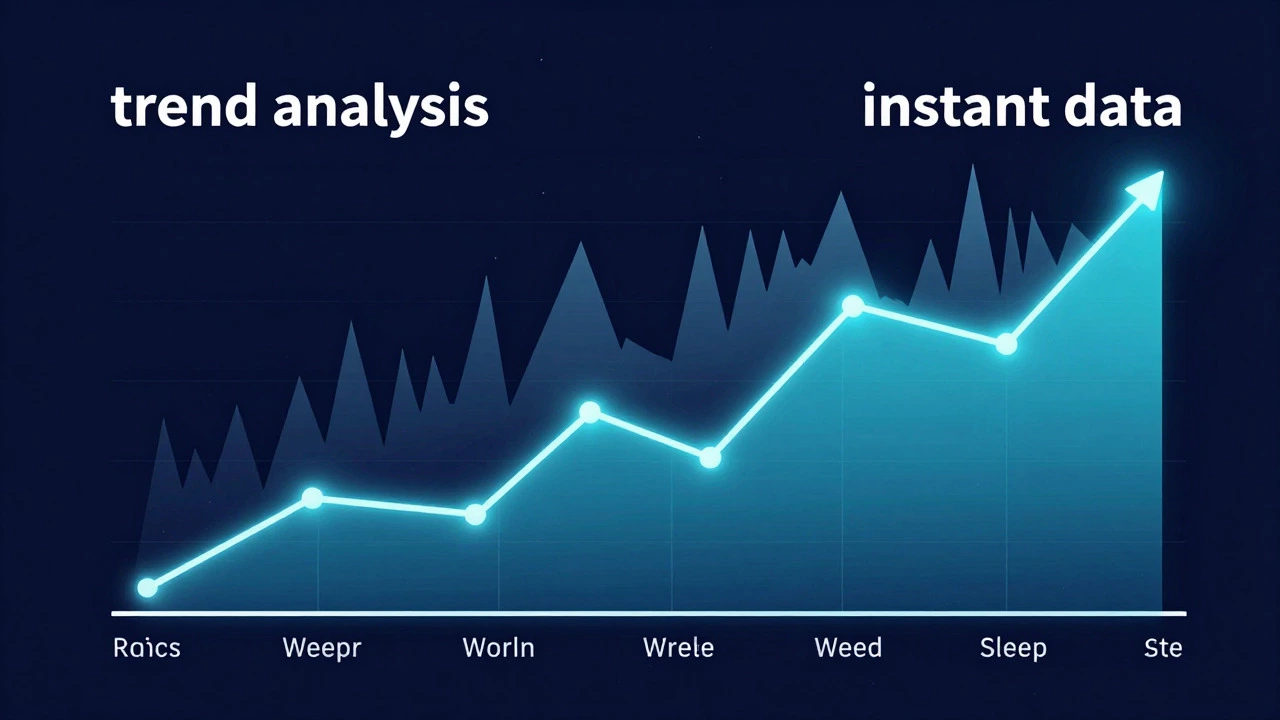
Having the data is only half the battle; presenting it effectively ensures your doctor takes it seriously. Many patients walk into appointments with screenshots of chaotic graphs, which can overwhelm both parties. Instead, focus on narrative context. Before your visit, review your last four weeks of data. Look for patterns rather than outliers. Did your resting heart rate go up during a period of high work stress? Did your sleep quality improve after you stopped caffeine after 2 PM?
Prepare three specific questions based on your data. For example: "My average resting heart rate increased by 8 bpm over the last month. Could this be related to my recent travel schedule?" This approach shows your doctor that you are engaged in your health and using the technology intelligently. It transforms the conversation from "look at my gadget" to "let’s discuss my physiology."
Privacy and Data Ownership Concerns
One reason some healthcare providers remain cautious is the issue of data privacy. Unlike hospital records protected by HIPAA in the US, data from consumer apps often lives in the cloud under different privacy laws. If you share your Apple Health or Fitbit data with your doctor, ensure you understand who else has access to that information. Some employers or insurance companies may request access if the data is stored through corporate wellness programs. Always check the terms of service before syncing sensitive health metrics like glucose levels or detailed sleep logs to third-party platforms.
Who Should Buy One? And Who Should Skip It?
Fitness trackers are not a one-size-fits-all solution. They are highly beneficial for:
- Chronic Disease Patients: Those with hypertension, diabetes, or asthma benefit from continuous monitoring to catch early warning signs.
- Sedentary Individuals: People who sit at desks all day need objective reminders to move, as self-reporting is often inaccurate.
- Athletes in Recovery: Tracking heart rate variability (HRV) helps optimize training loads and prevent overtraining.
However, they may be unnecessary or even counterproductive for:
- Obsessive Monitors: If checking your stats causes anxiety or disrupts sleep, the device may do more harm than good.
- Elite Athletes: Professionals often prefer specialized sports watches with GPS and power meters that offer higher precision than general consumer models.
- Those with Skin Sensitivities: Constant contact with sensors can cause irritation or rashes for some users, making daily wear uncomfortable.
The Future: AI-Driven Insights
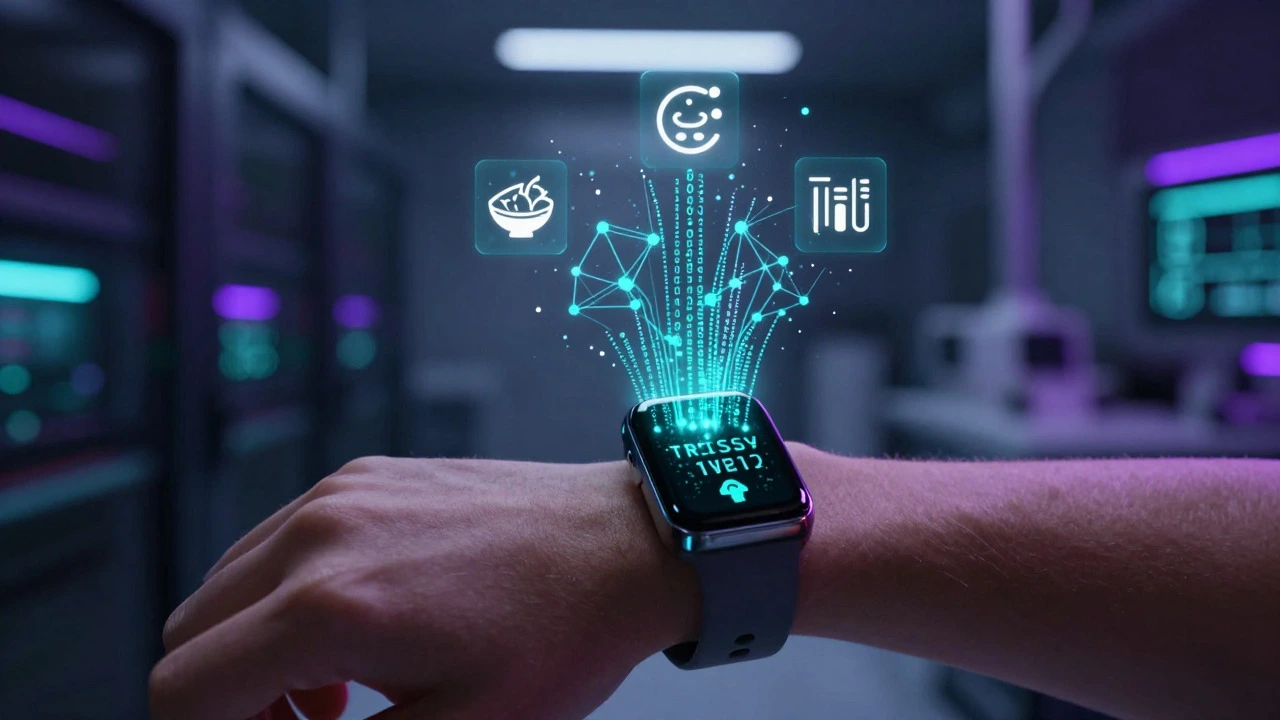
We are moving toward a future where fitness trackers don’t just display data but provide actionable insights powered by artificial intelligence. Imagine your watch analyzing your voice tone during a call to detect stress levels, or correlating your meal photos with your blood sugar response to suggest dietary adjustments. Companies like Garmin and Apple are already investing heavily in machine learning models that can predict health events days before they occur. As these algorithms mature, the line between consumer tech and medical device will blur further, potentially requiring regulatory oversight that we haven’t fully seen yet.
Are fitness trackers accurate enough for medical diagnosis?
Generally, no. While resting heart rate and step count are quite accurate, metrics like sleep stages and calorie burn have lower precision. Doctors use them for trend analysis and screening, but formal diagnoses usually require clinical-grade equipment like ECGs or polysomnography.
Which fitness tracker features do doctors care about most?
Doctors prioritize resting heart rate trends, sleep duration consistency, and daily activity volume. These metrics correlate strongly with cardiovascular health and metabolic function. Features like advanced workout analytics or music storage are rarely relevant to clinical discussions.
Does wearing a fitness tracker 24/7 affect its accuracy?
Wearing it continuously is recommended for capturing baseline data like resting heart rate and sleep. However, tightness can affect blood flow readings. Ensure the band fits snugly but not tightly, and take it off during showers if the device is not water-resistant to avoid skin irritation.
Can I share my fitness tracker data directly with my doctor?
Yes, most major platforms allow you to export PDF reports or share read-only links. You can also connect your account to patient portals like MyChart or Epic. Make sure to grant permission explicitly, as data sharing is often off by default for privacy reasons.
Is a chest strap better than a wrist-based tracker for heart rate?
For high-intensity exercise, yes. Chest straps use electrical signals (ECG) and are considered the gold standard for real-time heart rate during dynamic movement. Wrist-based optical sensors can lag or spike during intense workouts, making chest straps preferable for serious athletes or cardiac rehab patients.