Does Lifting Weights Burn Belly Fat? The Real Science Behind Strength Training and Fat Loss
Fat Loss Calculator
Your Profile
Strength Training Impact
Your Results
Basal Metabolic Rate (BMR): calories/day
Total Daily Energy Expenditure (TDEE): calories/day
Recommended Calorie Intake for Fat Loss: calories/day
Strength Training Benefit: calories/day from muscle metabolism
Based on the article: Strength training builds muscle which burns 6-10 calories/pound/day at rest. With lbs of muscle gain, your metabolism increases by calories/day.
Remember: You can't spot-reduce fat. Fat loss occurs through overall calorie deficit. Strength training helps preserve muscle while you lose fat.
People ask if lifting weights burns belly fat because they want results-fast. They see ads promising six-pack abs from squats alone, or hear friends say they ‘toned’ their midsection by lifting. But here’s the truth: you can’t spot-reduce fat. No exercise, no matter how hard, turns fat in one area into muscle. That’s biology, not marketing.
How Fat Loss Actually Works
Your body doesn’t store fat in specific spots just to make it easy to burn off with one move. Belly fat, like fat anywhere else, comes from excess calories. When you eat more than you burn, your body stores the surplus as triglycerides in fat cells. To lose it, you need to create a calorie deficit-burn more than you take in. This isn’t magic. It’s basic energy balance.
Lifting weights doesn’t directly melt belly fat. But it plays a crucial role in making fat loss possible and lasting. Here’s how: when you lift, you build muscle. Muscle tissue is metabolically active. That means even at rest, it burns more calories than fat. A pound of muscle burns about 6-10 calories per day. A pound of fat burns 2-3. Sounds small? Multiply that by 10 pounds of new muscle, and you’re burning an extra 40-80 calories daily without doing a single rep.
Why Strength Training Beats Cardio Alone for Belly Fat
Cardio burns calories during the workout. That’s it. Run for 30 minutes? You might burn 300 calories. Eat a banana afterward, and you’ve undone half of it. Strength training, on the other hand, keeps burning calories long after you’ve left the gym.
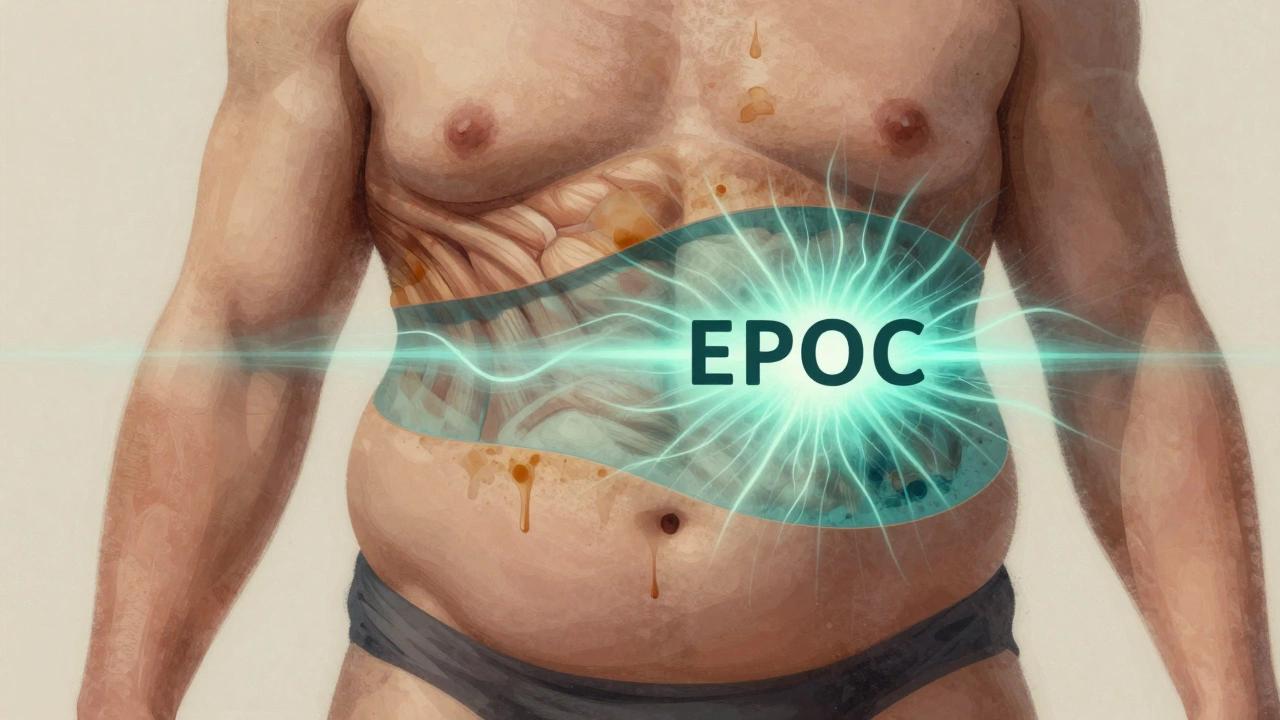
After a heavy lifting session, your body enters a state called EPOC-Excess Post-Exercise Oxygen Consumption. Think of it as your metabolism staying turned up for hours. Studies show that resistance training can elevate calorie burn for up to 72 hours post-workout. One 2017 study in the Journal of Strength and Conditioning Research found that participants who did three 45-minute strength sessions per week lost more belly fat over 12 weeks than those who only did steady-state cardio, even when both groups burned the same total calories.
Why? Because lifting preserves muscle mass. When you lose weight through diet or cardio alone, you often lose muscle too. That slows your metabolism. Over time, you burn fewer calories at rest. Lifting prevents that. You lose fat, not muscle. That’s why people who lift while cutting weight look leaner, tighter, and more defined-even if the scale doesn’t move as fast.
What Type of Lifting Works Best?
Not all weight training is equal when it comes to fat loss. If you’re doing light dumbbell curls for 3 sets of 15 reps with 2-minute breaks, you’re not pushing your body hard enough to trigger significant metabolic changes.
Focus on compound movements that work multiple large muscle groups at once:
- Squats
- Deadlifts
- Bench presses
- Overhead presses
- Rows
- Pull-ups
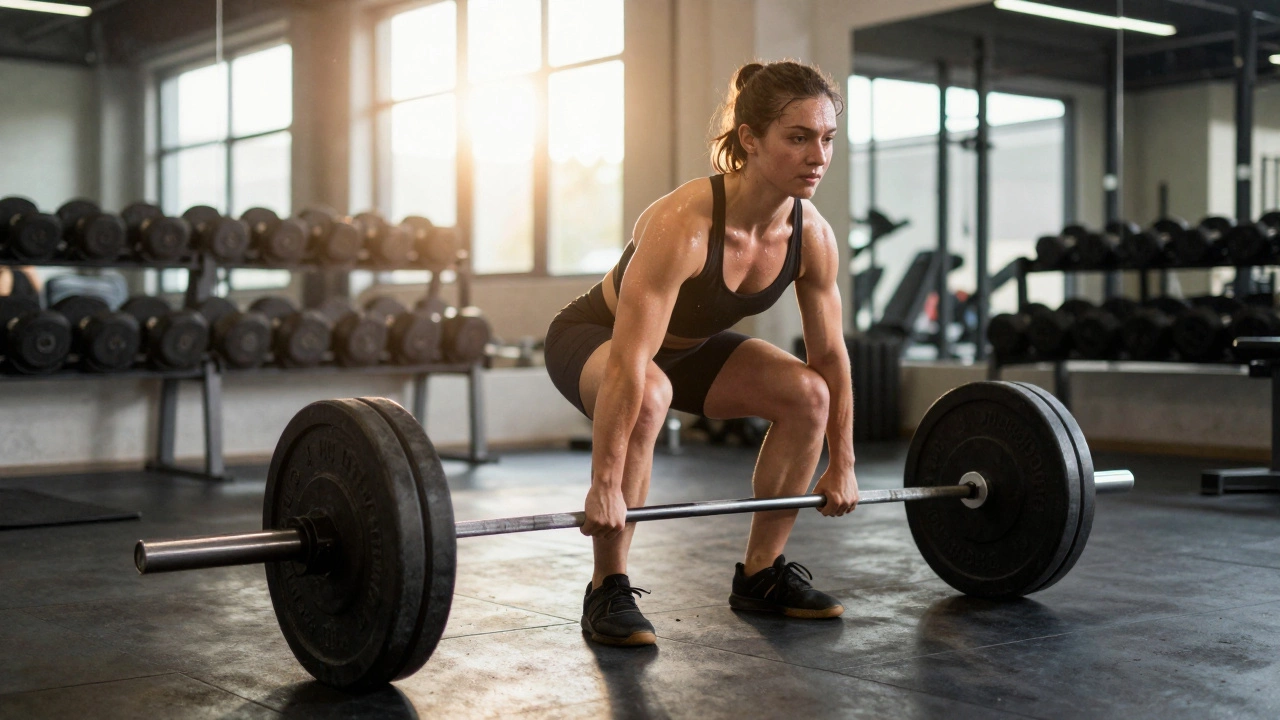
These exercises demand more energy. They activate more muscle fibers. They spike your heart rate. They create greater EPOC. You don’t need fancy machines. A barbell, a pair of dumbbells, and a bench are enough. Bodyweight versions work too-just make them harder. Add weight. Slow the tempo. Reduce rest.
Here’s a simple rule: aim for 3-5 sets of 6-12 reps per exercise. Use a weight that challenges you by the last rep. If you can do 15 reps easily, it’s too light. If you can’t do 6 with good form, it’s too heavy. Find the sweet spot.
How Much Lifting Do You Need?
You don’t need to spend hours in the gym. Two to three strength sessions per week, 45-60 minutes each, is enough to shift your body composition. Consistency matters more than intensity. Miss a week? It’s fine. Don’t quit. Show up again next week.
Some people think they need to lift every day to see results. That’s a myth. Muscles grow and repair during rest. Overtraining leads to burnout, injury, and stalled progress. Your body needs recovery. Sleep. Nutrition. Time.
Pair your lifting with two days of walking, cycling, or light activity. That keeps your metabolism active without taxing your recovery. Don’t overdo cardio. Too much can break down muscle and make fat loss harder.
What About Diet?
Lifting alone won’t erase belly fat if you’re eating a bag of chips every night. You can’t out-train a bad diet. Fat loss happens in the kitchen, not the gym.
Here’s what works:
- Track your calories for a few weeks-not to obsess, but to understand your habits. Use a free app like MyFitnessPal.
- Get enough protein. Aim for 1.6-2.2 grams per kilogram of body weight. That’s about 120-165 grams for a 75kg person. Protein keeps you full, protects muscle, and boosts metabolism slightly.
- Cut sugary drinks. Soda, juice, sweet coffee-these are liquid calories that add up fast.
- Eat whole foods: vegetables, lean meats, eggs, beans, oats, nuts, yogurt. They’re nutrient-dense and harder to overeat.
- Don’t fear fat. Healthy fats from avocado, olive oil, and fatty fish help regulate hormones linked to belly fat storage.
There’s no magic food that burns belly fat. No supplement, no tea, no shake. Just calories in, calories out-with muscle as your ally.
How Long Until You See Results?
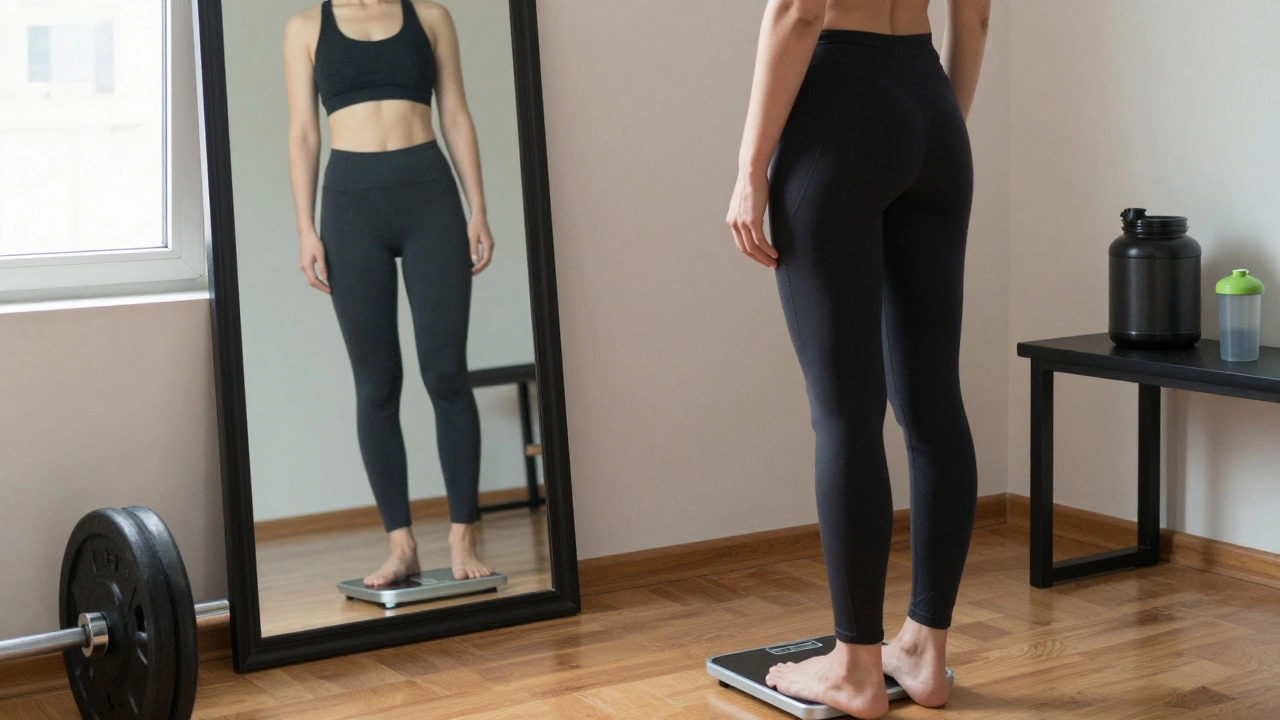
Most people start noticing changes in their waistline after 4-8 weeks of consistent lifting and eating better. But don’t wait for the scale. Take measurements. Notice how your clothes fit. Take photos. Muscle is denser than fat. You might weigh the same but look slimmer.
Men often lose belly fat faster than women due to hormonal differences. Women store more fat around the hips and belly as a biological safeguard. That doesn’t mean it’s impossible-it just means it might take longer. Be patient.
One woman I worked with in Bristol, 42, lost 11 pounds of fat and gained 4 pounds of muscle over 14 weeks. Her waist shrunk by 3 inches. She didn’t do one sit-up. She lifted heavy three times a week, ate more protein, and stopped drinking wine every night. That’s it.
Common Mistakes People Make
Here’s what stops people from seeing results:
- Thinking cardio is the only way to burn fat
- Doing endless crunches hoping to ‘target’ belly fat
- Skipping protein and ending up weak and flat
- Not lifting heavy enough to stimulate muscle growth
- Expecting overnight results
Crunches don’t burn belly fat. They strengthen your abs. But if your belly is covered in fat, no amount of ab work will make them visible. You need to reduce overall body fat first.
Final Answer: Does Lifting Weights Burn Belly Fat?
Lifting weights doesn’t burn belly fat directly-but it’s one of the most powerful tools you have to lose it. It builds muscle, boosts metabolism, preserves lean tissue, and keeps your body burning calories long after you’ve left the gym. When paired with a balanced diet, strength training reshapes your body in ways cardio alone never can.
Forget the quick fixes. Focus on lifting heavier, eating smarter, and staying consistent. The belly fat will follow.
Can I lose belly fat by lifting weights only, without dieting?
No. You can’t out-train a bad diet. Lifting weights helps you burn more calories and preserve muscle, but if you’re eating more than you burn, you won’t lose fat. Fat loss requires a calorie deficit. Strength training makes that deficit more effective, but it doesn’t replace the need to eat well.
How often should I lift weights to lose belly fat?
Three times per week is ideal. Focus on full-body workouts that include compound lifts like squats, deadlifts, and rows. Each session should last 45-60 minutes. More than that isn’t better-it increases risk of burnout and injury. Rest days are when your body changes.
Do I need to do cardio if I lift weights?
Not for fat loss. Cardio helps heart health and burns extra calories, but it’s not required. Walking 8,000-10,000 steps a day is enough. If you enjoy running or cycling, keep doing it-but don’t rely on it to burn belly fat. Strength training does more for body composition.
Will lifting make me bulky if I’m a woman?
No. Women don’t have enough testosterone to build large, bulky muscles like men. Lifting will make you stronger, tighter, and more toned-not bigger. Most women who look ‘bulky’ are either eating a surplus of calories or using performance-enhancing drugs. Natural strength training leads to lean muscle, not bulk.
How long does it take to lose belly fat with strength training?
Most people see noticeable changes in 4-8 weeks with consistent lifting and better eating. Fat loss isn’t linear. Some weeks you’ll lose more, others you’ll stall. Focus on trends over time, not daily scale numbers. Waist measurements and how your clothes fit are better indicators.