Does the 30/30/30 method really work for fat loss and muscle retention?
Protein & Calorie Calculator for Fat Loss
How Your Body Actually Works
The article explains that protein timing doesn't matter as much as total daily intake. This calculator helps you determine what really matters: your individual protein and calorie needs for fat loss.
Key Takeaway: Your body doesn't care about 30/30/30 timing. It cares about: 1.6-2.2g protein per kg of body weight, calorie deficit, and consistent movement.
Calculate Your Needs
Your Results
Daily Protein Needs
Calorie Deficit Target
Why This Matters: Research shows that hitting your daily protein total (not timing) is what preserves muscle during fat loss. Your calculated range provides what your body actually needs.
People are chasing quick fixes. You see ads for the 30/30/30 method everywhere-drink a protein shake, wait 30 minutes, then eat 30 grams of carbs, then do 30 minutes of cardio. It sounds simple. Too simple. But does it actually work? Or is it just another trend dressed up like science?
What is the 30/30/30 method?
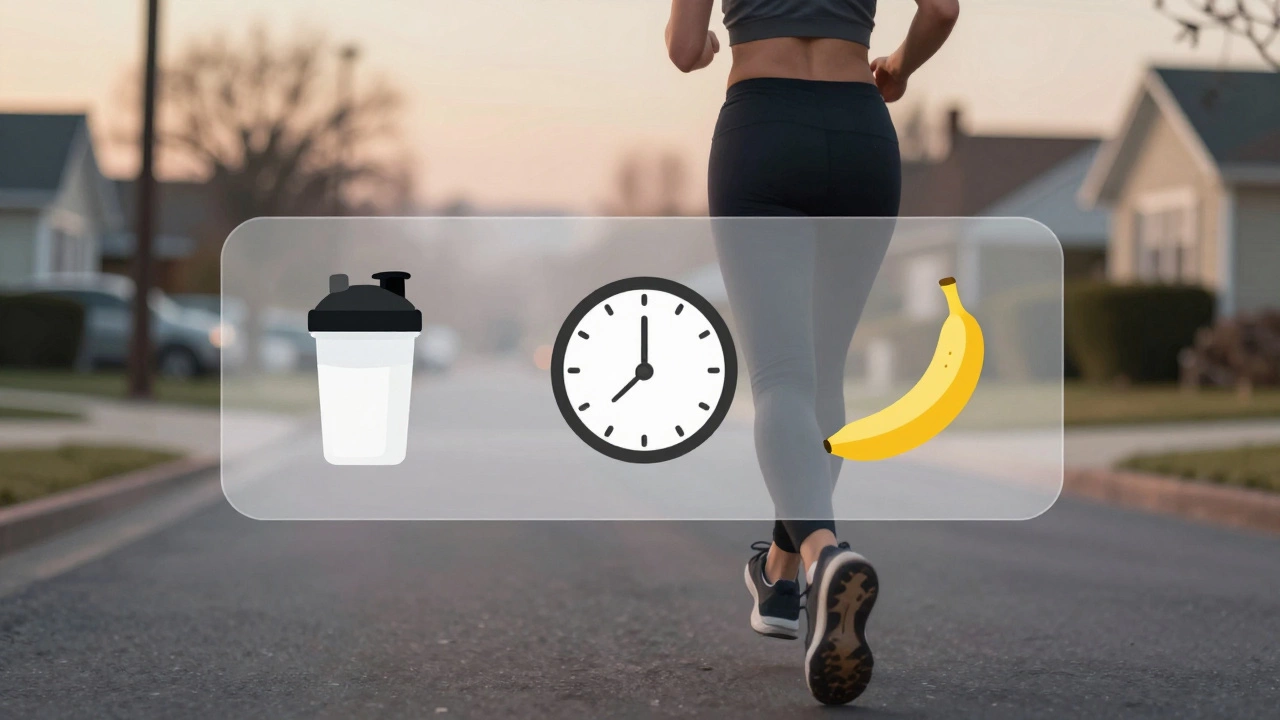
The 30/30/30 method breaks down like this:
- First 30: Drink a protein shake (usually 30 grams of protein)
- Second 30: Wait 30 minutes
- Third 30: Eat 30 grams of fast-digesting carbs, then do 30 minutes of moderate cardio
It’s marketed as a morning ritual for fat loss. The idea? Protein spikes insulin just enough to shuttle amino acids into muscles without triggering fat storage. Then, after the wait, carbs refill glycogen without causing a crash. Finally, the cardio burns fat while your body’s still in a slightly fasted state.
It sounds clever. But real science doesn’t always match clever marketing.
Where did this method come from?
The 30/30/30 method didn’t come from a lab. It came from a fitness influencer in Florida who claimed he lost 40 pounds in 90 days using it. His before-and-after photos went viral. Then YouTube creators, Instagram coaches, and supplement brands picked it up. They added their own spin-"The 30/30/30 Protocol," "The Fat-Burning Breakfast," "The 30-Minute Metabolism Hack."
But no peer-reviewed study has ever tested this exact sequence. The closest thing is research on protein timing and fasted cardio. Neither supports the specific 30/30/30 structure. That’s not a red flag-it’s a silence.
Does protein first thing in the morning help?
Yes. But not because of timing magic.
Starting your day with 30 grams of protein boosts muscle protein synthesis. It keeps you full longer. Studies from the Journal of the International Society of Sports Nutrition show that people who eat 25-30 grams of protein at breakfast lose more body fat over 12 weeks than those who eat cereal or toast.
But that’s true whether you drink it at 6 a.m. or 8 a.m. The body doesn’t have a "protein window" that opens at sunrise. What matters is total daily intake. If you’re eating 1.6-2.2 grams of protein per kilogram of body weight spread through the day, your muscle stays intact. The shake at 6 a.m. isn’t special-it’s just early.
Does waiting 30 minutes make a difference?
No.
There’s zero evidence that waiting half an hour between protein and carbs improves fat loss. Your stomach digests protein in about 1.5 to 2 hours. Carbs in 30 to 60 minutes. Whether you eat them 10 minutes apart or 60 minutes apart, your blood sugar and insulin levels will still rise and fall naturally.
Some people think waiting keeps insulin low so fat burning continues. But that’s a misunderstanding. Insulin doesn’t shut down fat burning permanently. It just pauses it temporarily. Within 90 minutes, your body switches back to burning fat-even if you ate carbs right after protein.
Waiting 30 minutes doesn’t change that. It just makes your morning longer.
Does 30 grams of carbs after protein help?
Maybe-but only if you’re training hard.
30 grams of carbs is about one banana, two slices of toast, or a cup of oatmeal. For someone doing heavy weightlifting or HIIT, that’s useful. It refills muscle glycogen, helps recovery, and prevents muscle breakdown.
But for someone sitting at a desk all day? That’s extra calories with no benefit. If you’re not active, those carbs turn into fat. And if you’re trying to lose weight, adding 120 extra calories just because a video told you to isn’t smart.
The real question isn’t "Should I eat carbs?" It’s "Do I need them?"
Does 30 minutes of cardio burn more fat?
Yes-but not because of the 30/30/30 timing.
Doing 30 minutes of steady-state cardio in the morning does burn fat. Your liver glycogen is low after fasting overnight, so your body leans more on fat for fuel. That’s true whether you drank a shake or ate toast first.
But here’s the catch: total calorie burn over the day matters more than what happens in one 30-minute window. A 2023 study in Medicine & Science in Sports & Exercise compared people who did fasted cardio vs. fed cardio. After 8 weeks, both groups lost the same amount of fat. The timing didn’t change the outcome.
What did? Consistency. And calorie deficit.
So does the 30/30/30 method work?
It works the same way any calorie-controlled diet works.
If you’re eating fewer calories than you burn, you’ll lose fat. If you’re getting enough protein, you’ll keep muscle. If you’re moving regularly, you’ll feel better.
The 30/30/30 method isn’t magic. It’s just a structured way to eat protein, carbs, and move. That structure helps some people stick to their plan. Structure reduces decision fatigue. That’s why it feels effective.
But you don’t need to wait 30 minutes. You don’t need exactly 30 grams of protein or carbs. You don’t need to do cardio right after.
What you do need is:
- Enough protein daily (at least 1.6g per kg of body weight)
- A calorie deficit (eat less than you burn)
- Regular movement (cardio or strength, doesn’t matter which)
- Consistency over weeks, not minutes
That’s the real formula. Not 30/30/30.
Who should try it-and who should skip it?
Try it if:
- You struggle with morning hunger and need structure
- You like having a routine and it helps you stay on track
- You’re already eating clean and just need a small nudge
Skip it if:
- You’re not active and don’t need extra carbs
- You’re on a tight budget-protein shakes aren’t cheap
- You hate waiting 30 minutes before breakfast
- You’re already losing weight without it
There’s no benefit to forcing a system that doesn’t fit your life. If you’re eating eggs, toast, and going for a walk, you’re doing better than someone forcing down a shake because a TikTok told them to.
What’s a better alternative?
Here’s a simpler, science-backed version:
- Start your day with 25-30g of protein (shake, eggs, Greek yogurt, cottage cheese)
- Wait until you’re hungry. Eat whole food carbs if you need them (fruit, oats, sweet potato)
- Move for 30 minutes-walk, bike, lift, dance. Doesn’t matter how, as long as you move.
No timers. No exact gram counts. Just food and movement. That’s it.
Real fat loss isn’t about timing. It’s about consistency, protein, and energy balance. The 30/30/30 method is just one way to do that. Not the only way. Not the best way. Just a way.
Bottom line
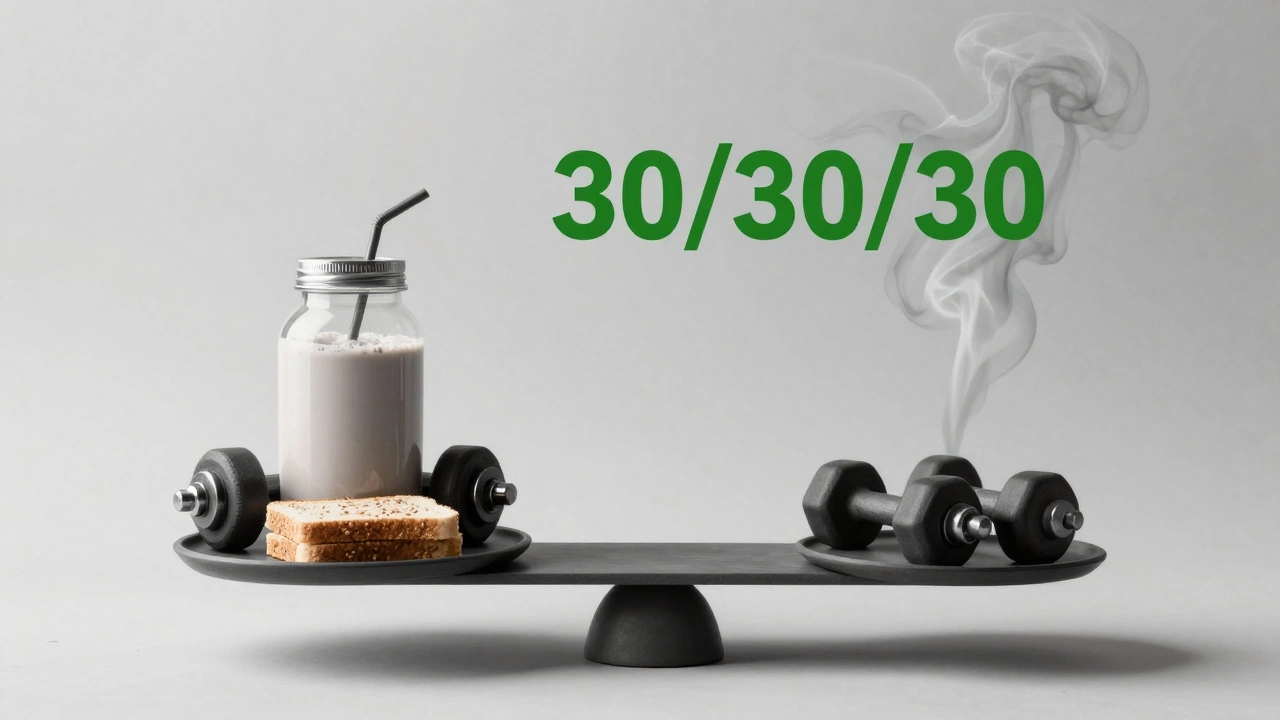
The 30/30/30 method isn’t broken. But it’s not magic either. It works because it encourages protein intake and movement-two things that actually matter. The rest? The 30-minute waits, the exact gram counts, the "fat-burning window"-that’s all fluff.
If it helps you stick to your goals, use it. If it feels like another chore, drop it. Your body doesn’t care about the number 30. It only cares if you’re eating right and moving enough.
Forget the method. Focus on the basics. That’s what really works.