How Many Times a Week Should I Do HIIT? Science-Backed Recommendations

Doing HIIT workouts can give you serious results - better endurance, faster fat loss, and improved heart health - but only if you do them the right way. Do them too often, and you risk burnout, injury, or stalled progress. Do them too rarely, and you won’t see the benefits you’re after. So how many times a week should you actually do HIIT? The answer isn’t one-size-fits-all, but science and real-world experience point to a clear range.
Most People Should Do HIIT 2 to 3 Times a Week
For the average person training for health, fitness, or weight loss, 2 to 3 HIIT sessions per week is the sweet spot. This number isn’t arbitrary. Research from the American College of Sports Medicine shows that high-intensity interval training delivers maximum metabolic benefits without overloading the body when performed this frequently. Most studies on HIIT effectiveness used protocols with 2-3 sessions weekly over 6-12 weeks and saw significant improvements in VO2 max, insulin sensitivity, and body fat percentage.
Why not more? HIIT isn’t just hard - it’s stressful on your nervous system, muscles, and joints. Each session spikes cortisol, breaks down muscle fibers, and drains glycogen stores. Your body needs time to repair and adapt. If you do HIIT every day, you’re not building strength - you’re breaking it down faster than you can recover. That leads to fatigue, irritability, poor sleep, and even weight gain from hormonal imbalance.
What About Beginners?
If you’re new to exercise or haven’t been active in a while, start with just 1 to 2 HIIT sessions per week. Your body isn’t used to the intensity, and pushing too hard too soon increases injury risk. Focus on learning proper form first. A 15-minute session with bodyweight moves like squat jumps, mountain climbers, and high knees is enough to start. Pair it with two days of walking, light cycling, or yoga to build endurance without stress.
After 4-6 weeks, if you’re feeling strong and recovered, you can add a third session. Listen to your body. If your legs feel heavy, your motivation drops, or you’re sore for more than 48 hours, you’re doing too much.
Advanced Trainers Can Do 3 to 4 Sessions - But Only With Care
Elite athletes or people with years of consistent training might do 3 or even 4 HIIT workouts a week. But they don’t do them back-to-back. They space them out, mix in lower-intensity days, and prioritize recovery. For example, a pro might do:
- Monday: HIIT (sprints or rowing intervals)
- Tuesday: Strength training (upper body)
- Wednesday: Active recovery (swimming or mobility work)
- Thursday: HIIT (cycling intervals)
- Friday: Strength training (lower body)
- Saturday: Long walk or light hike
- Sunday: Rest
They also track metrics - heart rate variability, resting heart rate, sleep quality - to know when their body is ready. Most people don’t have this level of control. So unless you’re monitoring your recovery closely, stick to 2-3 sessions.
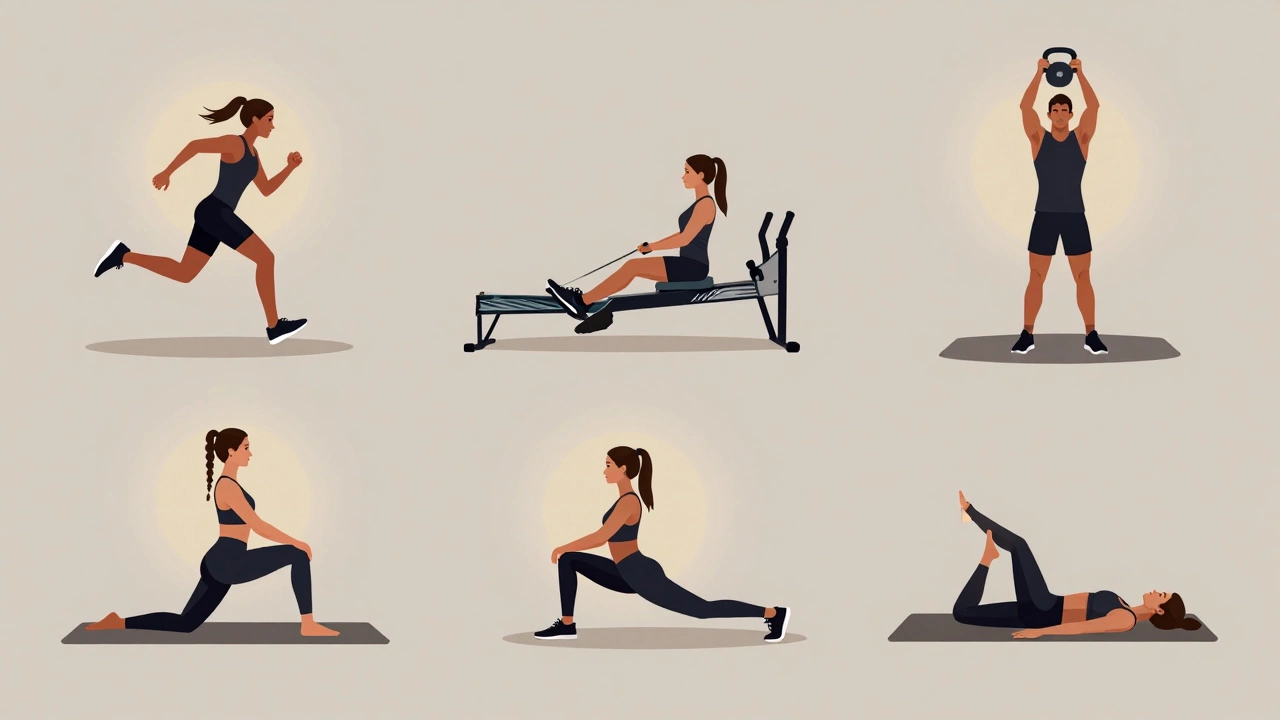
Don’t Forget Recovery Days
HIIT isn’t a magic bullet. It works because it’s intense - but that intensity demands recovery. You can’t train hard every day and expect results. Your muscles grow and your metabolism improves during rest, not during the workout.
On non-HIIT days, move. Go for a walk, stretch, do yoga, or lift light weights. These activities keep blood flowing, reduce soreness, and help your nervous system reset. Avoid sitting all day. Even 20 minutes of movement after a HIIT session helps speed up recovery.
Also, sleep matters. Studies show that people who get less than 7 hours of sleep per night recover slower from high-intensity workouts. If you’re skipping sleep or feeling exhausted, cut back on HIIT - even if you think you’re "just one more session away" from results.
What About Weight Loss?
If your main goal is fat loss, you might think doing HIIT every day is the answer. It’s not. A 2023 study in the Journal of Sports Science & Medicine compared two groups: one doing 5 HIIT sessions a week and another doing 3. Both lost similar amounts of body fat over 12 weeks. But the group doing 5 sessions reported higher stress levels, worse sleep, and more injuries. The 3-session group stuck with it longer and lost more muscle mass in a healthy way.
HIIT burns calories during the workout - but the real fat-burning magic happens in the 24-48 hours after. That’s called EPOC (excess post-exercise oxygen consumption). Doing more than 3 sessions doesn’t boost EPOC much - it just adds stress. Combine 2-3 HIIT sessions with a balanced diet and daily movement, and you’ll lose fat faster than doing HIIT every day.
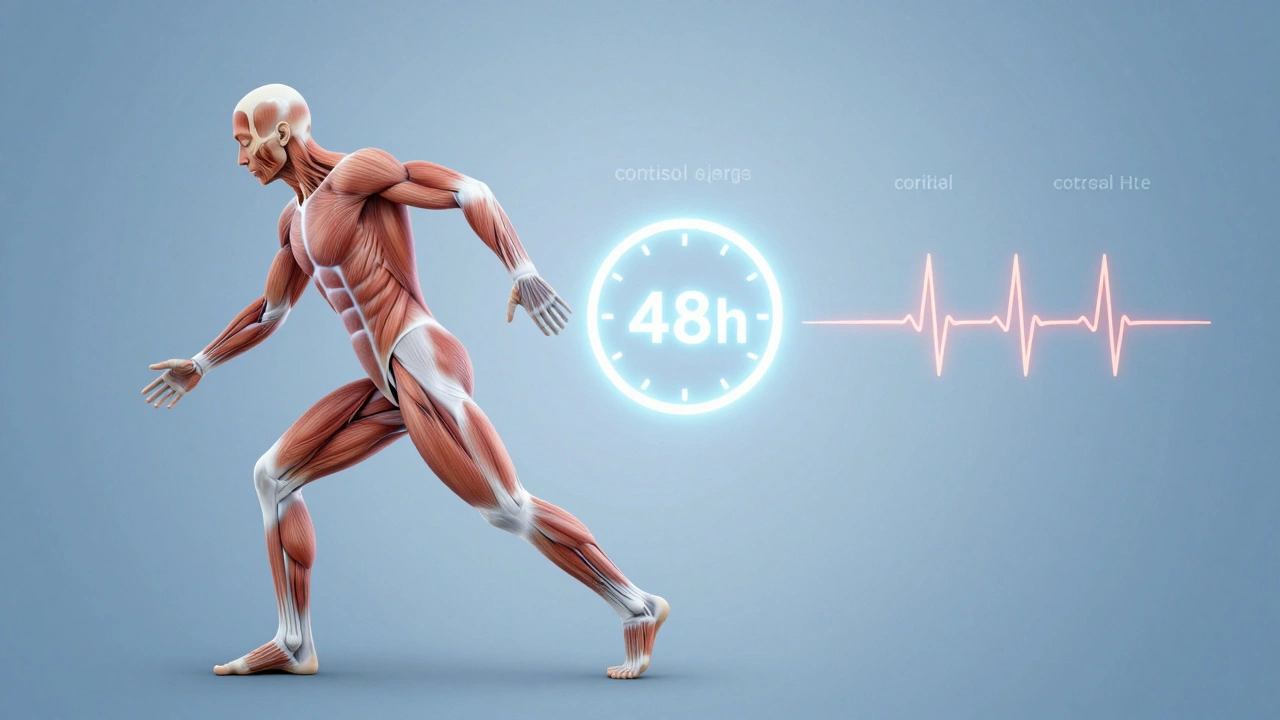
Signs You’re Doing Too Much HIIT
You’re not alone if you’ve pushed too hard. Here are clear signs you’re overdoing it:
- Constant muscle soreness that doesn’t fade after 72 hours
- Difficulty sleeping or waking up tired
- Increased resting heart rate (check it first thing in the morning)
- Loss of motivation or dreading workouts
- More frequent injuries - shin splints, tendon pain, joint aches
- Women: missed or irregular periods
If you see two or more of these, take a break. Reduce HIIT to once a week for two weeks. Focus on walking, stretching, and sleep. Then restart at a lower frequency.
Sample Weekly HIIT Schedule (for Most People)
Here’s a simple, sustainable plan:
- Monday: HIIT (20 minutes - burpees, kettlebell swings, jump rope)
- Tuesday: Strength training (bodyweight or weights)
- Wednesday: Walk 45 minutes or do yoga
- Thursday: HIIT (15 minutes - cycling or rowing intervals)
- Friday: Rest or light mobility work
- Saturday: HIIT (25 minutes - hill sprints or stair climbs)
- Sunday: Rest
This gives you 3 HIIT sessions with at least one full rest day and two active recovery days. It’s enough to burn fat and build endurance without burning out.
Final Answer: Stick to 2-3 Times a Week
There’s no magic number, but the evidence is clear: for most people, 2 to 3 HIIT workouts per week deliver the best results with the least risk. More isn’t better. Consistency is. Do HIIT when you’re energized, recover fully, and move gently on other days. That’s how you build a body that lasts - not one that breaks down after a month.
Can I do HIIT every day for faster results?
No. Doing HIIT every day increases your risk of injury, burnout, and hormonal imbalance. Your body needs 48 hours to recover from high-intensity sessions. Instead of more frequency, focus on making each session count with proper intensity and form.
Is 10 minutes of HIIT enough?
Yes. A 10-minute HIIT session done with maximum effort can be as effective as a 30-minute moderate workout. The key is intensity - you should be pushing yourself to near-maximum effort during the work intervals. Most people underestimate how hard they need to go. If you’re not gasping for air, you’re not doing it right.
Should I do HIIT before or after strength training?
Do HIIT after strength training, not before. Strength training requires fresh muscles and nervous system energy. If you do HIIT first, you’ll exhaust your energy and compromise your lifting form, increasing injury risk. Save HIIT for a separate day or at the end of your strength session.
Can I do HIIT if I have knee or joint pain?
Yes - but avoid high-impact moves like jumping jacks or burpees. Use low-impact alternatives: cycling intervals, rowing, or stair climbers. These give you the same cardiovascular benefits without pounding your joints. Always consult a physical therapist if pain persists.
How long should I rest between HIIT sessions?
Wait at least 48 hours between HIIT workouts. If you train on Monday, wait until Wednesday. This gives your muscles, tendons, and nervous system time to repair. If you’re still sore or tired, wait longer. Recovery isn’t lazy - it’s part of the training.