How Much Walking to Lose 10 Pounds in a Month?
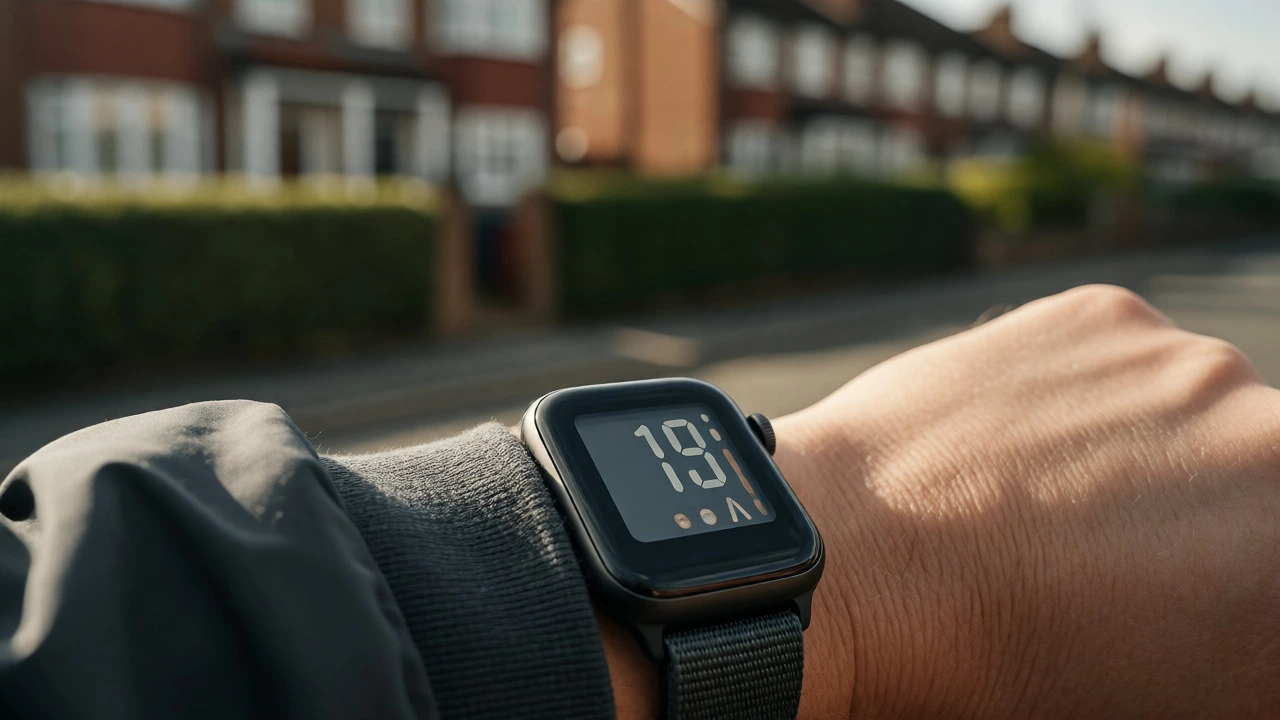
Walking Weight Loss Planner
Your Profile & Goals
Losing 10 pounds in a single month is an ambitious but entirely achievable goal if you’re willing to put in the work. It’s not about magic pills or extreme starvation; it’s about consistent movement and smart energy balance. The question isn’t really "can" you do it, but rather, "how much" do you actually need to walk to make it happen? If you’re looking at your pedometer and wondering if 5,000 steps will cut it, the short answer is probably no. To drop that much weight in such a tight timeframe, you need to be strategic.
Let’s break down the math first, because numbers don’t lie. One pound of body fat roughly equals 3,500 calories. To lose 10 pounds, you need to create a total deficit of 35,000 calories over 30 days. That means burning about 1,167 more calories than you consume every single day. For most people, creating this entire deficit through exercise alone is brutal. You’d likely have to run a marathon every other day. So, we split the load: diet handles some of it, and walking handles the rest. This article walks you through exactly how many steps you need, what pace matters, and how to structure your routine so you don’t burn out by week two.
The Math Behind Your Steps
Before you lace up your shoes, you need to know what your body actually burns. Calorie expenditure depends heavily on your current weight, speed, and terrain. A general rule of thumb used by fitness experts is that you burn approximately 100 calories per mile walked at a moderate pace. But let’s get more specific. According to data from Harvard Health Publishing, a 155-pound person burns about 80-90 calories per mile walking at a normal pace (3 mph). At a brisk pace (4 mph), that jumps to nearly 100-110 calories per mile.
If you want to lose 10 pounds purely through walking without changing your diet-which is rare-you would need to burn 35,000 calories. Dividing that by 100 calories per mile gives you 350 miles. Over 30 days, that’s about 11.6 miles a day. That’s roughly 23,000 to 25,000 steps daily. For someone starting from zero, that’s a massive jump. Most people realistically combine dietary changes with increased activity. If you adjust your food intake to save 500 calories a day, you only need to burn an additional 667 calories through walking. That drops the requirement to about 6-7 miles a day, or roughly 12,000-15,000 steps. Still challenging, but far more manageable.
Why Pace Matters More Than Distance
You might think all walking is created equal, but it’s not. Strolling around your house while checking emails doesn’t trigger the same metabolic response as power walking outside. To lose weight efficiently, you need to keep your heart rate in the "fat-burning zone," which is typically 60% to 70% of your maximum heart rate. For a 30-year-old, that’s roughly 114 to 133 beats per minute.
Brisk Walking is defined as moving fast enough that you can talk but not sing. This intensity ensures you are working hard enough to stimulate metabolism without causing excessive joint stress. Research published in the Journal of Physical Activity and Health suggests that brisk walking yields significantly higher post-exercise oxygen consumption (EPOC) than slow walking. In plain English: you keep burning calories after you stop moving. If you spend 45 minutes walking slowly, you might burn 150 calories. Spend those same 45 minutes briskly, and you could burn 250+. That difference compounds quickly over a month.

Structuring Your Daily Routine
Trying to do 15,000 steps in one go is a recipe for boredom and blisters. Instead, break it up. Here is a realistic schedule for someone aiming to lose 10 pounds in a month:
- Morning Activation (3,000 steps): Walk before breakfast. Some studies suggest fasted cardio may help mobilize fat stores, though the effect is modest. It also wakes up your metabolism for the day.
- Lunch Break Power Walk (4,000 steps): Step away from your desk. Aim for a brisk pace here. This breaks up sedentary time, which is crucial since sitting slows down lipoprotein lipase activity, an enzyme that helps break down fat.
- Evening Wind Down (5,000 steps): After dinner, take a longer walk. Digestion benefits from light movement, and this is often when people snack mindlessly. Walking replaces that habit.
- Incidental Movement (3,000+ steps): Take stairs, park further away, walk while on phone calls. These add up faster than you think.
This totals around 15,000 steps. If you find this too aggressive, start at 10,000 and add 1,000 steps every three days. Consistency beats intensity when you’re building a new habit.
Dietary Adjustments Are Non-Negotiable
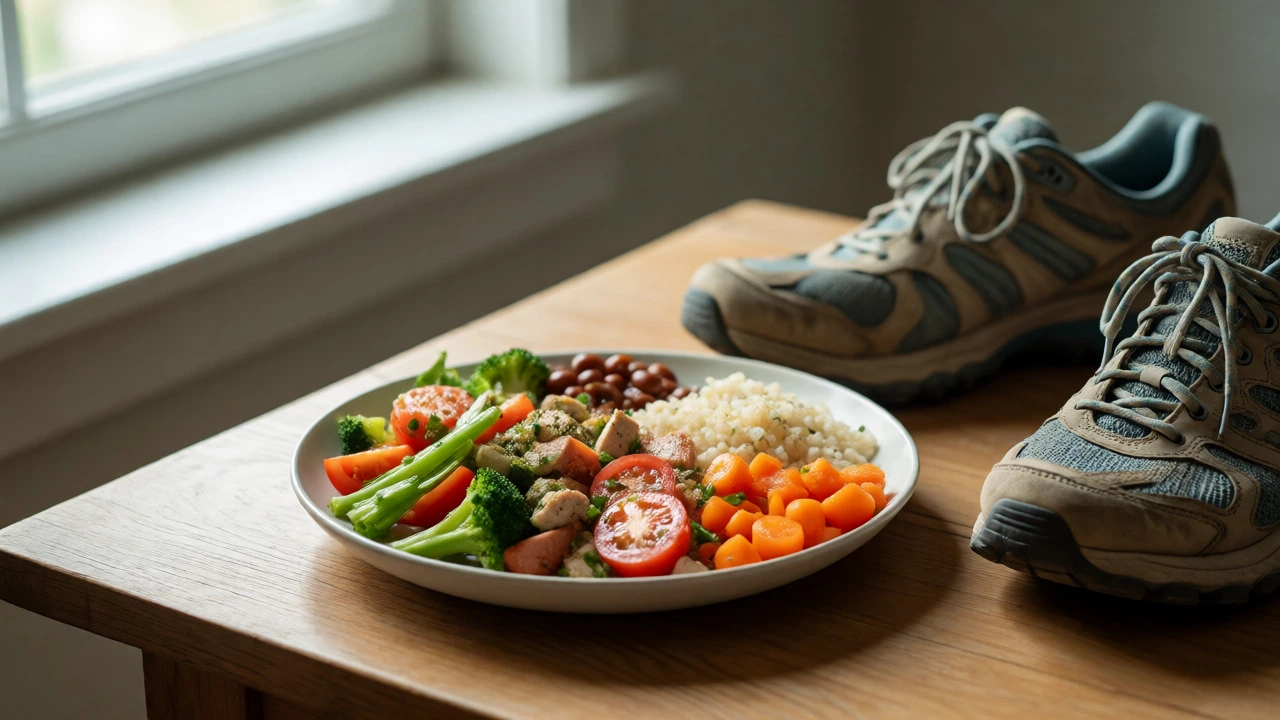
You cannot out-walk a bad diet. If you walk 10,000 steps and then reward yourself with a large pizza, you’ve erased your deficit. To hit that 10-pound target, you need to pair your walking with mindful eating. You don’t need to count every calorie obsessively, but you should focus on volume eating-consuming foods high in water and fiber that fill you up for fewer calories.
Cut back on liquid calories like sodas and fancy coffees. Swap white bread for whole grains. Increase protein intake to preserve muscle mass while you lose fat. Muscle tissue burns more calories at rest than fat tissue does, so protecting it is key. If you lose muscle, your metabolism slows down, making future weight loss harder. Aiming for a modest 500-calorie daily deficit from food, combined with your walking efforts, creates a synergistic effect that makes the 10-pound goal realistic.
Common Pitfalls and How to Avoid Them
Many people fail their monthly goals not because they didn’t walk, but because they fell into subtle traps. Here are the big ones:
| Mistake | Correction |
|---|---|
| Wearing heavy backpacks unnecessarily | Start with bodyweight; add weight vest only after week 2 |
| Walking on flat ground exclusively | Incorporate hills or treadmill incline to boost calorie burn by 20% |
| Ignoring hydration | Drink 2-3 liters of water daily to support metabolism |
| Compensating with larger meals | Keep portion sizes consistent; track intake weekly |
Another major issue is injury. If you suddenly jump from 2,000 to 15,000 steps, you risk shin splints or plantar fasciitis. Invest in good running or walking shoes with proper arch support. Replace them every 300-500 miles. If your feet hurt, you won’t walk. Simple as that.
Tracking Progress Beyond the Scale
The scale can be misleading. Water retention, hormonal cycles, and digestion can cause fluctuations of 2-5 pounds overnight. Don’t panic if your weight stays static for three days despite hitting your step count. Look for other signs of progress: clothes fitting looser, better sleep quality, and increased energy levels during the day.
Use a non-scale victory metric. Measure your waist circumference weekly. Often, inches disappear even when the number on the scale stalls. This is especially true if you’re retaining water due to increased sodium intake or stress. Keep your log simple: record steps, mood, and measurements. Seeing a trend line over four weeks is far more accurate than daily weigh-ins.
Can I lose 10 pounds walking 10,000 steps a day?
Yes, but only if you maintain a strict calorie deficit through diet. 10,000 steps typically burn 300-400 calories depending on your weight and pace. Without dietary changes, this alone usually results in 2-4 pounds of weight loss per month, not 10.
Is it better to walk fast or walk long?
For weight loss, duration generally trumps speed once you reach a moderate baseline. However, incorporating intervals of brisk walking increases calorie burn per minute. A mix of both is ideal: aim for a sustainable pace where you can still hold a conversation, but extend the duration to hit your step goal.
Do I need to walk every single day?
While daily movement is beneficial, taking one or two active recovery days is fine. Just ensure you aren't being completely sedentary on those days. Light stretching or gentle strolling helps circulation and reduces muscle soreness, keeping you motivated for the next high-step day.
What if I plateau after two weeks?
Plateaus are common as your body adapts to the new activity level. To break through, increase the intensity (add hills or speed) rather than just the distance. Also, re-evaluate your calorie intake, as your hunger signals may have increased subconsciously.
Does walking reduce belly fat specifically?
You cannot spot-reduce fat. Walking contributes to overall body fat reduction, which includes visceral belly fat. Consistent aerobic exercise like walking has been shown to reduce abdominal fat specifically when combined with a healthy diet, even without targeted ab exercises.