How to Drop 10 Pounds Fast: A Safe, Realistic Plan for Rapid Weight Loss
10-Pound Weight Loss Calculator
Your Personal Details
Your Results
Enter your details and click calculate to see your personalized weight loss plan.
Want to shed 10 pounds in a short window? It’s possible-but only if you’re strategic. Most people chasing fast results end up crashing their metabolism, losing muscle, or rebounding within weeks. The truth is, dropping 10 lbs quickly requires a tight calorie deficit, smart food choices, and consistent movement. But it doesn’t mean starving yourself or spending hours on the treadmill.
I’ve seen too many folks try extreme diets that promise miracles but deliver misery. Instead, let’s focus on what actually works: creating a sustainable daily deficit of 500-750 calories through diet tweaks and targeted exercise. That’s how you lose 1-2 pounds per week without feeling like you’re suffering. And yes, with some initial water weight drop, you can hit that 10-lb mark in 3-4 weeks if you stay disciplined.
Why Fast Weight Loss Isn’t Always Bad (When Done Right)
There’s a myth that slow and steady is the only healthy way to lose weight. While gradual loss is ideal for long-term maintenance, there are times when faster results make sense-like before a wedding, vacation, or medical check-up. The key is doing it safely. Losing more than 2 pounds a week consistently can lead to nutrient deficiencies, muscle loss, and gallstones. But hitting 10 lbs in a month? Totally doable if you combine moderate calorie restriction with high-protein meals and regular activity.
Your body holds onto extra water during periods of poor sleep, high sodium intake, or carb-heavy eating. When you cut back on refined carbs and increase protein, your glycogen stores deplete-and so does the attached water. That’s why many people see a quick 3-5 lb drop in the first week. It’s not all fat, but it’s real progress. Don’t get discouraged if the scale stalls after that. Fat loss slows down as you adapt, which is normal.
The Calorie Deficit Rule: How Much Should You Cut?
To lose 1 pound of fat, you need a 3,500-calorie deficit. So for 10 pounds, that’s 35,000 calories over time. Spread across 4 weeks, that’s roughly 875 calories less per day. Sounds steep, right? Here’s the trick: don’t slash everything at once. Aim for a 500-calorie daily deficit from food and burn another 250-350 through exercise. This keeps hunger manageable and energy levels stable.
- Cut out sugary drinks, alcohol, and late-night snacking first-they’re easy wins.
- Swap white rice for quinoa or cauliflower rice; replace butter with olive oil spray.
- Fill half your plate with non-starchy veggies like broccoli, spinach, or zucchini.
- Track your intake using an app like MyFitnessPal for accuracy-most people underestimate by 30%.
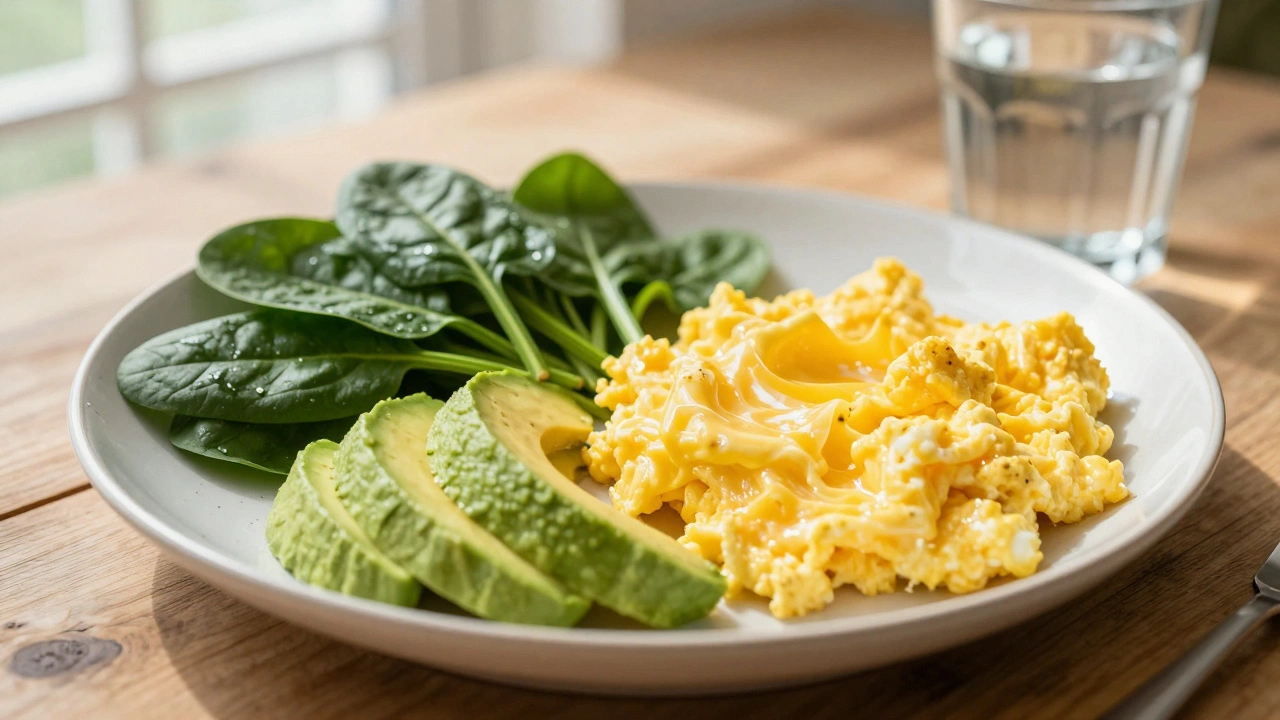
Pro tip: Eat larger portions early in the day. Your metabolism runs hotter in the morning, so front-loading calories helps control cravings later. Try a big breakfast with eggs and avocado, then lighter lunches and dinners.
Best Foods to Accelerate Fat Loss Without Hunger
You won’t stick to any plan if you’re constantly hungry. That’s where food quality matters. High-protein, high-fiber foods keep you full longer and boost thermogenesis-the process where your body burns calories digesting food. Lean meats, Greek yogurt, legumes, and leafy greens are your best friends here.
| Food | Calories (per serving) | Protein | Fiber | Why It Works |
|---|---|---|---|---|
| Greek Yogurt | 100 | 17g | 0g | High protein curbs appetite; probiotics support gut health. |
| Chicken Breast | 165 | 31g | 0g | Lean protein source; versatile for meal prep. |
| Broccoli | 55 | 3.7g | 5.1g | Low calorie, high fiber; rich in vitamins C and K. |
| Eggs | 78 | 6g | 0g | Complete amino acid profile; boosts satiety hormones. |
| Avocado | 240 | 3g | 13g | Healthy fats promote hormone balance and reduce cravings. |
Avoid processed snacks and hidden sugars. Even “healthy” granola bars can pack 200+ calories with minimal nutrition. Read labels carefully. If something has more than five ingredients or added sugar, skip it.

Exercises That Burn Fat Fast (And Build Muscle Too)
Diet alone won’t give you the toned look you want. Strength training preserves lean mass while you lose fat, keeping your metabolism humming. Combine this with cardio for maximum calorie burn. HIIT workouts are especially effective because they elevate post-exercise oxygen consumption-you keep burning calories hours after finishing.
- HIIT Circuits: 20 minutes of sprint intervals followed by walking breaks. Example: 30 seconds max effort, 90 seconds rest, repeat 8 times.
- Strength Training: Focus on compound lifts like squats, deadlifts, push-ups, and rows. Do these 3x/week for full-body engagement.
- Walking: Underrated but powerful. Aim for 8,000-10,000 steps daily. Easy to fit into busy schedules and reduces stress-related cortisol spikes.
- Yoga or Pilates: Great for recovery days. Improves flexibility and mind-muscle connection, helping prevent injury.
If you’re new to working out, start small. Ten-minute home sessions count. Consistency beats intensity every time. Track your workouts just like your food-it builds accountability.
Sleep, Stress, and Hydration: The Hidden Factors
You can eat perfectly and train hard, but if you’re sleeping six hours a night and stressed out, your body will hold onto fat. Cortisol, the stress hormone, promotes abdominal fat storage and increases cravings for junk food. Prioritize seven to eight hours of quality sleep each night.
Hydration plays a role too. Sometimes thirst mimics hunger. Drink a glass of water before meals to naturally reduce portion sizes. Herbal teas like green tea contain catechins that may slightly boost fat oxidation, though the effect is modest compared to diet and exercise.
Manage stress with breathing exercises, journaling, or even short walks outside. Mental clarity supports physical discipline. You’ll find yourself making better choices when your mind isn’t clouded by anxiety or fatigue.

What Not to Do When Trying to Lose Weight Quickly
Avoid fad diets promising overnight transformations. Juice cleanses eliminate essential nutrients and slow your metabolism. Extreme fasting without supervision can cause dizziness, heart palpitations, and binge-eating cycles. Similarly, skipping meals leads to overcompensation later-your brain screams for quick energy, usually in the form of sweets or fried foods.
Don’t rely solely on the scale. Muscle weighs more than fat by volume. Take measurements around your waist, hips, and thighs weekly. Progress photos help visualize changes the scale misses. Also, beware of supplements labeled “fat burners.” Most lack clinical backing and can interact poorly with medications.
Creating a Weekly Plan That Actually Sticks
Structure makes success easier. Map out your meals ahead of time. Prep proteins and chop veggies on Sunday. Keep healthy options visible and tempting ones out of sight. Set reminders to drink water and move throughout the day.
- Monday-Friday: Follow structured meal plans with balanced macros.
- Saturday: Allow one flexible meal-not a free-for-all, but a planned indulgence.
- Sunday: Review progress, adjust portions if needed, plan next week’s grocery list.
Use habit stacking: pair new behaviors with existing routines. Brush teeth → floss → meditate for five minutes. Small actions compound over time. Celebrate non-scale victories like improved stamina, better sleep, or clothes fitting looser.
FAQ
Can I really lose 10 pounds in a month?
Yes, losing 10 pounds in a month is achievable for most people through a combination of calorie deficit, increased physical activity, and reduced water retention. However, individual results vary based on starting weight, gender, age, and adherence to the plan.
Is it safe to lose weight quickly?
Rapid weight loss is generally safe if done under guidance and includes adequate protein, micronutrients, and hydration. Avoid extremes below 1,200 calories/day unless supervised medically. Monitor for signs of deficiency such as hair loss, fatigue, or mood swings.
Will I gain the weight back after stopping?
Rebound weight gain happens when old habits return. To maintain losses, transition gradually to a maintenance phase. Increase calories slowly, preserve strength training, and continue mindful eating practices. Long-term success depends on lifestyle change, not temporary fixes.
Do I need to count calories strictly?
Counting calories provides precision, especially in the beginning. Use apps to track intake accurately for two weeks to understand portion sizes. Afterward, intuitive eating cues often suffice. Listen to hunger signals and adjust accordingly.
What should I do if the scale stops moving?
Plateaus are common. Reassess your calorie intake-metabolism adapts. Add variety to workouts, increase step count, or incorporate resistance training. Ensure sufficient sleep and manage stress. Sometimes, a slight reduction in calories or increase in activity breaks the stall.