How to Flatten a Tummy: Practical Steps for Visible Results
Flatter Tummy Progress Planner
Daily Calorie Target
--
kcal/day
Deficit: -- kcal
Daily Protein Goal
--
grams/day
Keeps you full & preserves muscle
Estimated Time to Goal
--
weeks
To lose -- kg of fat
Total Calories:
-- kcal
Recommended Weekly Schedule
- Mon/Wed/Fri: Strength Training (Squats, Deadlifts) + Core Work (Planks, Leg Raises)
- Tue/Thu/Sat: Moderate Cardio (Walking, Cycling, Swimming) for 30 mins
- Sun: Rest or Light Yoga for recovery and posture
Remember: Consistency beats intensity. Sleep 7-9 hours and stay hydrated to reduce bloating.
Looking in the mirror and wishing your midsection looked flatter is a common frustration. Whether you’re aiming for that lean look before a holiday or simply want to feel more comfortable in your clothes, flattening your tummy isn’t just about doing hundreds of crunches. It’s a combination of what you eat, how you move, and how you manage daily habits. The good news? You don’t need extreme diets or hours at the gym. With consistent, smart choices, you can reduce bloating, build core strength, and lower overall body fat to reveal a flatter stomach.
Understanding Why Your Tummy Looks Full
Before jumping into exercises, it helps to understand what’s actually happening under the skin. A “full” tummy usually comes from three sources: subcutaneous fat (fat stored just under the skin), visceral fat (fat wrapped around your organs), and temporary bloating. Visceral fat is particularly concerning because it’s linked to higher risks of heart disease and type 2 diabetes. However, both types of fat respond well to caloric deficit and regular movement. Bloating, on the other hand, is often caused by diet, stress, or digestive issues and can be reduced quickly with simple adjustments.
Abdominal fat reduction is the process of decreasing both subcutaneous and visceral fat through calorie management and physical activity. Unlike spot reduction, which is largely a myth, losing fat from your belly requires lowering your overall body fat percentage. This means your entire body will slim down, but many people notice their midsection changing first if they combine cardio with strength training.
The Role of Diet in Flattening Your Stomach
You can do every ab exercise in the book, but if your diet works against you, your tummy won’t flatten. In fact, nutrition accounts for about 80% of visible results when it comes to weight loss. Here’s what actually matters:
- Caloric Deficit: To lose fat, you need to burn more calories than you consume. A modest deficit of 300-500 calories per day leads to safe, sustainable weight loss of about 0.5 kg per week.
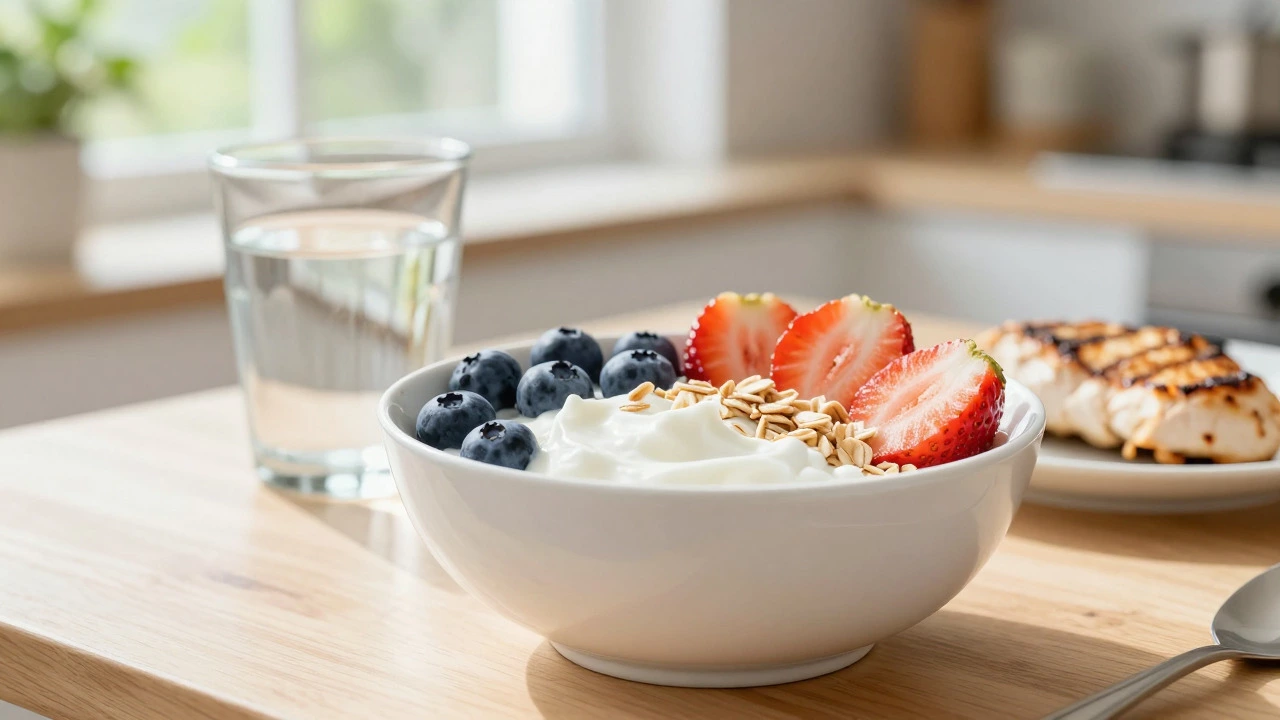
- Protein Intake: Aim for 1.6-2.2 grams of protein per kilogram of body weight daily. Protein keeps you full longer and preserves muscle mass while you lose fat. Think chicken, fish, eggs, Greek yogurt, or legumes.
- Fiber-Rich Foods: Soluble fiber helps regulate digestion and reduces bloating. Oats, beans, lentils, and vegetables like broccoli are excellent choices.
- Liquid Calories: Sodas, juices, and alcohol add up fast without making you feel full. Swap sugary drinks for water, herbal tea, or black coffee.
Avoid ultra-processed foods high in sodium and added sugars, as these contribute to water retention and inflammation, making your midsection look puffier than it really is.
Exercises That Target Core Strength and Fat Burn
While no exercise burns fat only from your belly, certain movements engage your core muscles effectively and boost your metabolism. Focus on compound lifts and dynamic core work rather than static crunches alone.
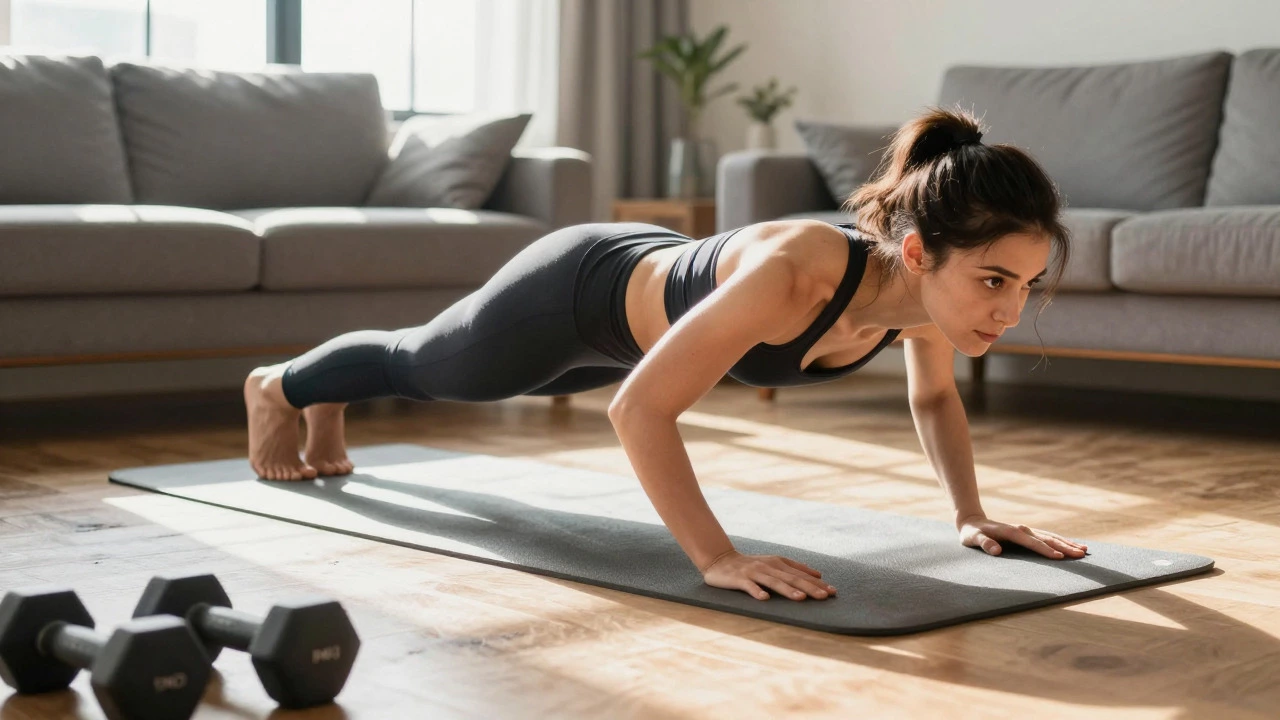
- Planks: Hold a forearm plank for 30-60 seconds. This engages your transverse abdominis, the deep muscle that acts like a natural corset, pulling your waist inward.
- Bicycle Crunches: These target both upper and lower abs. Keep your lower back pressed into the floor and extend one arm toward the opposite knee slowly.
- Leg Raises: Lie flat and lift your straight legs to a 90-degree angle, then lower them slowly without letting your feet touch the ground. This hits the lower abs hard.
- Squats and Deadlifts: Compound strength moves burn more calories overall and improve posture, which instantly makes your tummy look flatter by preventing anterior pelvic tilt.
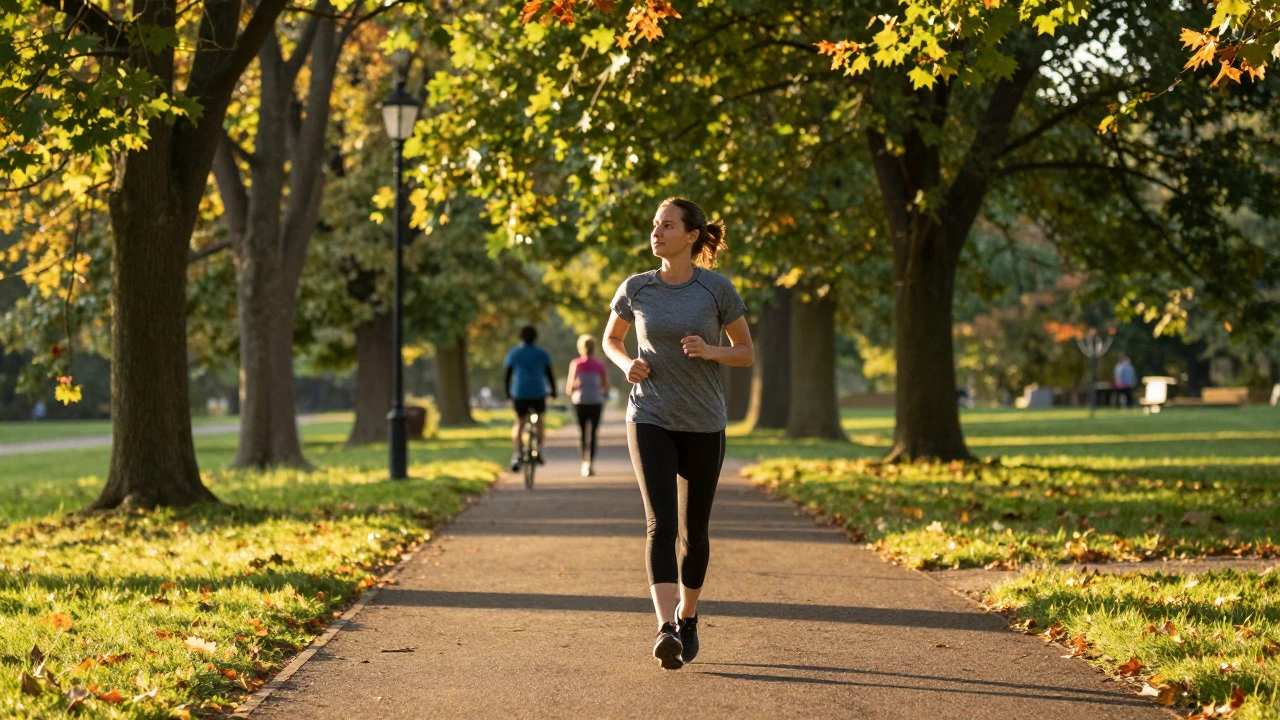
- Cardio Options: Brisk walking, cycling, or swimming for 30 minutes most days increases total energy expenditure, helping create the caloric deficit needed for fat loss.
Consistency beats intensity. Three to four sessions per week of mixed strength and cardio is more effective than one brutal session followed by rest days.
Daily Habits That Make a Difference
Small lifestyle tweaks often have a bigger impact on how flat your tummy looks than any single workout. Consider these non-negotiables:
- Sleep 7-9 Hours: Poor sleep raises cortisol levels, which encourages fat storage around the abdomen. Prioritize quality rest to keep hormones balanced.
- Manage Stress: Chronic stress also spikes cortisol. Try mindfulness, breathing exercises, or short walks to decompress.
- Stay Hydrated: Drinking enough water helps flush out excess sodium and prevents constipation, a major cause of bloating.
- Posture Check: Slouching pushes your belly forward. Standing tall with shoulders back engages your core passively and improves appearance immediately.
Common Mistakes to Avoid
Many people sabotage their progress without realizing it. Watch out for these traps:
- Overdoing Cardio: Excessive running can increase appetite and lead to muscle loss if not paired with adequate protein and strength training.
- Ignoring Gut Health: If you experience frequent bloating, consider tracking food triggers. Common culprits include dairy, gluten, or artificial sweeteners for some individuals.
- Expecting Overnight Results: Visible changes take weeks, not days. Track progress with photos and measurements rather than relying solely on the scale, which can fluctuate due to water weight.
Sample Weekly Plan for Flatter Abs
Here’s a simple structure you can adapt to your schedule:
| Day | Activity | Focus |
|---|---|---|
| Monday | Strength Training + 10-min Core | Squats, Lunges, Planks |
| Tuesday | Brisk Walk or Cycling | 30 mins moderate cardio |
| Wednesday | Full-Body Strength + Leg Raises | Deadlifts, Bicycle Crunches |
| Thursday | Rest or Light Yoga | Recovery and posture |
| Friday | HIIT or Swimming | High-intensity intervals |
| Saturday | Hiking or Active Fun | Movement variety |
| Sunday | Rest | Preparation for next week |
This balance ensures you’re burning calories, building muscle, and allowing your body to recover. Adjust the intensity based on your fitness level, but keep the mix of strength and cardio consistent.
FAQ
Can I lose belly fat without going to the gym?
Yes. Home workouts using bodyweight exercises like planks, squats, and lunges are highly effective. Combine these with daily walking or dancing to maintain a caloric deficit. Consistency is key, regardless of location.
How long does it take to see a flatter tummy?
Most people notice initial changes in bloating within a few days of adjusting their diet. Visible fat loss typically takes 4-8 weeks of consistent effort. Individual results vary based on starting point, genetics, and adherence to the plan.
Are carbs bad for a flat tummy?
Not necessarily. Refined carbs like white bread and pastries can spike blood sugar and cause bloating. However, complex carbs like oats, sweet potatoes, and quinoa provide energy and fiber, supporting digestion and satiety. Balance is the goal.
Does drinking water help reduce belly bloat?
Yes. Dehydration can cause your body to retain water, leading to puffiness. Drinking adequate water throughout the day helps flush out excess sodium and supports proper digestion, reducing bloating significantly.
Is spot reduction possible for the belly?
Scientifically, no. Your body decides where to store and burn fat based on genetics and hormones. However, strengthening your core muscles can make your midsection appear tighter and more defined once the fat layer thins out.