How to Lose 20 Pounds in a Month: Realistic Guide
Weight Loss Reality Checker
Enter your details to see if losing 20 pounds in 30 days is realistic for you.
Your Metabolic Profile
TDEE (Daily Burn)
--
Required Daily Deficit
--
Est. Daily Intake
--
Difficulty Rating
Can you really lose 20 pounds in a month? It’s the question every New Year’s resolution or wedding guest asks. The short answer is yes, but with a massive asterisk. For most people, dropping that much weight requires an aggressive approach that borders on extreme. You aren’t just eating less; you are fundamentally changing your metabolic behavior for thirty days. If you’re aiming for this number, you need to understand what’s actually leaving your body. A significant chunk will be water weight and glycogen, not just pure fat. But if you stick to the plan, the scale will move fast.
The Math Behind Dropping 20 Pounds
Let’s break down the biology so you know what you’re signing up for. One pound of body fat contains roughly 3,500 calories. To lose 20 pounds of pure fat, you’d need a total deficit of 70,000 calories over 30 days. That means burning about 2,333 more calories than you consume every single day. For an average person, maintaining their current weight might cost 2,000-2,500 calories. So, you’d have to eat almost nothing while exercising like an athlete. That’s brutal and often unsustainable.
Here’s where the "water weight" factor saves the day. When you cut carbohydrates drastically, your body depletes its glycogen stores. Glycogen holds onto water-about three to four grams of water for every gram of glycogen. As you burn through those reserves, you flush out several pounds of water quickly. This initial drop makes the goal feel achievable. However, don’t mistake this for fat loss. It’s temporary, but it gives you the momentum to keep going.
| Component | Estimated Weight | Source | Sustainability |
|---|---|---|---|
| Glycogen & Water | 6-10 lbs | Carbohydrate restriction | High (returns with carbs) |
| Fat Mass | 8-12 lbs | Calorie deficit + exercise | Moderate (requires discipline) |
| Muscle/Gut Content | 2-4 lbs | Reduced food volume | Low (varies daily) |
Nutrition Is 90% of the Battle
You cannot out-exercise a bad diet, especially when trying to shed weight rapidly. Your kitchen habits determine your success here. To hit this target, you need to prioritize protein and fiber while slashing refined sugars and starches. Think of it as resetting your insulin levels. High insulin blocks fat burning. By keeping carbs low, you force your body to tap into fat stores for energy. Start by calculating your Total Daily Energy Expenditure (TDEE). Most adults need to eat between 1,200 and 1,500 calories per day to see rapid results without starving themselves. Focus on nutrient-dense foods:
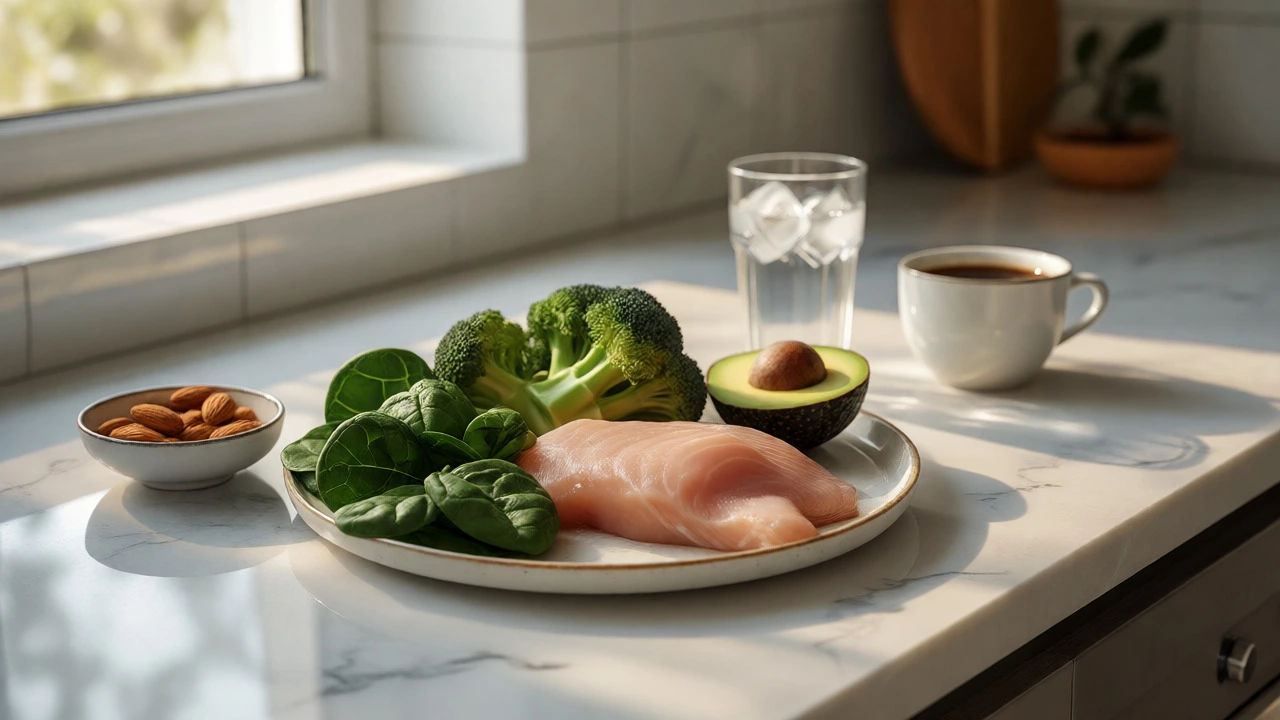
- Lean Protein: Chicken breast, turkey, white fish, tofu, or egg whites. Aim for 1g of protein per pound of body weight to preserve muscle.
- Non-Starchy Vegetables: Spinach, broccoli, cauliflower, zucchini, and kale. These fill you up with minimal calories.
- Healthy Fats: Avocado, olive oil, or nuts, but measure them carefully. Fat is calorie-dense (9 cal/g), so portion control is critical.
Cut out liquid calories entirely. No soda, no fruit juice, no sugary coffees. Stick to water, black coffee, or green tea. Green tea, specifically, contains catechins like EGCG, which may slightly boost metabolism. It’s not a magic pill, but it helps curb appetite.
Intermittent Fasting: The Time Management Tool
If counting calories feels tedious, try controlling when you eat. Intermittent fasting (IF) restricts your eating window rather than specific foods. The most common method is 16:8-fasting for 16 hours and eating within an 8-hour window. For example, skip breakfast and eat only between 12 PM and 8 PM. Why does this work? During the fasting period, insulin levels drop significantly, allowing stored body fat to become more accessible. It also naturally reduces calorie intake because you’re skipping a meal. Many people find they eat less overall without feeling deprived. Start with 12:12 if 16 hours seems too hard, then gradually increase the fasting window. Listen to your body; if you feel dizzy or overly weak, shorten the fast.

Exercise Strategy: Move More, Not Just Harder
Diet handles the calorie deficit, but exercise shapes your body and keeps your metabolism humming. You don’t need to run marathons, but you do need consistency. Two types of movement are essential here: strength training and cardio.
Strength Training: Do this three times a week. Why lift weights when you want to lose weight? Because muscle tissue burns more calories at rest than fat tissue does. If you only do cardio and starve yourself, you’ll likely lose muscle along with fat, slowing down your metabolism long-term. Focus on compound movements like squats, deadlifts, push-ups, and rows. These engage multiple muscle groups, maximizing calorie burn during the workout.
Cardio: Incorporate High-Intensity Interval Training (HIIT) twice a week. HIIT involves short bursts of intense effort followed by brief rest periods. For example, sprint for 30 seconds, walk for 30 seconds, repeat for 15 minutes. This creates an "afterburn effect" (EPOC), meaning you continue burning calories after the workout ends. On other days, aim for 10,000 steps. Walking is underrated. It lowers stress hormones like cortisol, which can otherwise hinder fat loss around the midsection.
Sleep and Stress: The Hidden Saboteurs
You can nail your diet and gym routine, but if you’re sleeping four hours a night, you won’t lose weight efficiently. Sleep deprivation messes with two key hunger hormones: ghrelin (which signals hunger) and leptin (which signals fullness). Lack of sleep spikes ghrelin and drops leptin, making you crave sugar and carbs the next day. Aim for seven to nine hours of quality sleep. Create a bedtime routine: dim the lights, avoid screens an hour before bed, and keep your room cool. Also, manage stress. High cortisol levels promote fat storage, particularly visceral fat. Meditation, deep breathing exercises, or even a hot bath can lower cortisol. Treat recovery as part of the workout, not a break from it.

Common Pitfalls to Avoid
People often fail this challenge because they swing too far in one direction. Here are the traps to watch out for:
- Eating Too Little: Consuming under 1,000 calories can slow your metabolism and cause muscle loss. You’ll feel exhausted and binge later.
- Overdoing Cardio: Hours of running can spike cortisol and lead to injury. Keep sessions efficient.
- Ignoring Electrolytes: When cutting carbs, you lose sodium and potassium. This causes fatigue and headaches (the "keto flu"). Add a pinch of salt to your water or eat bone broth.
- Weighing Yourself Daily: Weight fluctuates due to hydration, digestion, and hormonal cycles. Weigh yourself once a week, first thing in the morning, after using the bathroom.
Is This Safe for Everyone?
Losing 20 pounds in a month is aggressive. It’s generally safe for healthy individuals with a higher starting weight. If you have only 10 pounds to lose, losing 20 is impossible without unhealthy extremes. Consult a doctor before starting, especially if you have diabetes, heart conditions, or a history of eating disorders. Women who are pregnant or breastfeeding should avoid such rapid weight loss.
After the month is over, transition slowly. Don’t immediately return to old habits. Increase calories gradually by 100-200 per week to prevent rebound weight gain. Maintenance is harder than loss, so build sustainable habits now that you can carry forward.
Is losing 20 pounds in a month realistic?
It is possible but challenging. For most people, a significant portion of this weight loss will be water weight, especially in the first week. Sustained fat loss of 20 pounds in 30 days requires strict adherence to a calorie deficit and regular exercise. It is more feasible for those with a higher starting weight.
What should I eat to lose 20 pounds in a month?
Focus on lean proteins, non-starchy vegetables, and healthy fats in controlled portions. Eliminate processed foods, added sugars, and refined carbohydrates. Drink plenty of water and consider intermittent fasting to help control calorie intake naturally.
Do I need to do cardio to lose 20 pounds?
While diet is the primary driver, cardio accelerates results. Combining strength training with HIIT and daily walking creates a larger calorie deficit and preserves muscle mass, which is crucial for maintaining a higher metabolism during rapid weight loss.
Will I regain the weight after a month?
You may regain some water weight once you reintroduce carbohydrates. To maintain fat loss, you must transition to a sustainable maintenance calorie level and continue healthy habits. Rapid weight loss is easier to regain if lifestyle changes aren't permanent.
Is intermittent fasting necessary?
No, it is not mandatory, but it is a helpful tool. IF simplifies calorie control by limiting eating windows and may improve insulin sensitivity. If you prefer three balanced meals, you can still achieve the goal through strict portion control and macronutrient tracking.