How to Lose Tummy Fat in 2 Weeks: A Realistic Guide
Tummy Fat Reduction Estimator
Enter your details to estimate the impact of a strict 14-day protocol focused on reducing bloating and creating a moderate caloric deficit.
Your Details
Expected Scale Drop
-- kg
Mostly water & glycogenActual Fat Loss
-- kg
Realistic adipose tissueProtein Target
-- g per day
Based on 1.6g per kg of body weight to preserve muscle.Enter your details and click "Calculate Plan" to see your estimated results.
You want a flatter stomach by next weekend. It is a common goal, and honestly, it is achievable if you are willing to be strict with your habits for fourteen days. But let us get one thing straight immediately: you cannot spot-reduce fat. Doing five hundred crunches will not burn the fat on your belly specifically; it just builds muscle underneath. To lose tummy fat, you need to lower your overall body fat percentage while reducing bloating. Two weeks is enough time to shed water weight, reduce inflammation, and kickstart real metabolic changes, but it is not enough time to melt away ten pounds of pure adipose tissue. Here is how you actually do it.
The Reality Check: What Is Actually Happening?
When people ask about losing tummy fat quickly, they are usually dealing with two different issues: visceral fat (hard fat around organs) and subcutaneous fat (soft fat under the skin), plus significant bloating. In a 14-day window, most of the visible change comes from reducing bloating and glycogen stores, not just burning fat. Glycogen holds water. When you cut carbs slightly, your body dumps that water. This makes your waistline shrink fast. According to general physiological principles supported by health organizations like the NHS, sustainable weight loss is slow, but initial rapid drops are normal due to fluid shifts. You need to target both the internal swelling and the external calorie balance.
Nutrition: The 80% Factor
You cannot out-train a bad diet. If you are eating more calories than you burn, no amount of exercise will flatten your midsection. For two weeks, you need a slight caloric deficit. Aim to eat about 300-500 calories below your maintenance level. This prevents muscle loss while encouraging fat oxidation. Focus on protein at every meal. Protein has a high thermic effect, meaning your body burns more calories digesting it compared to fats or carbs. It also keeps you full, stopping those 3 PM snack attacks.
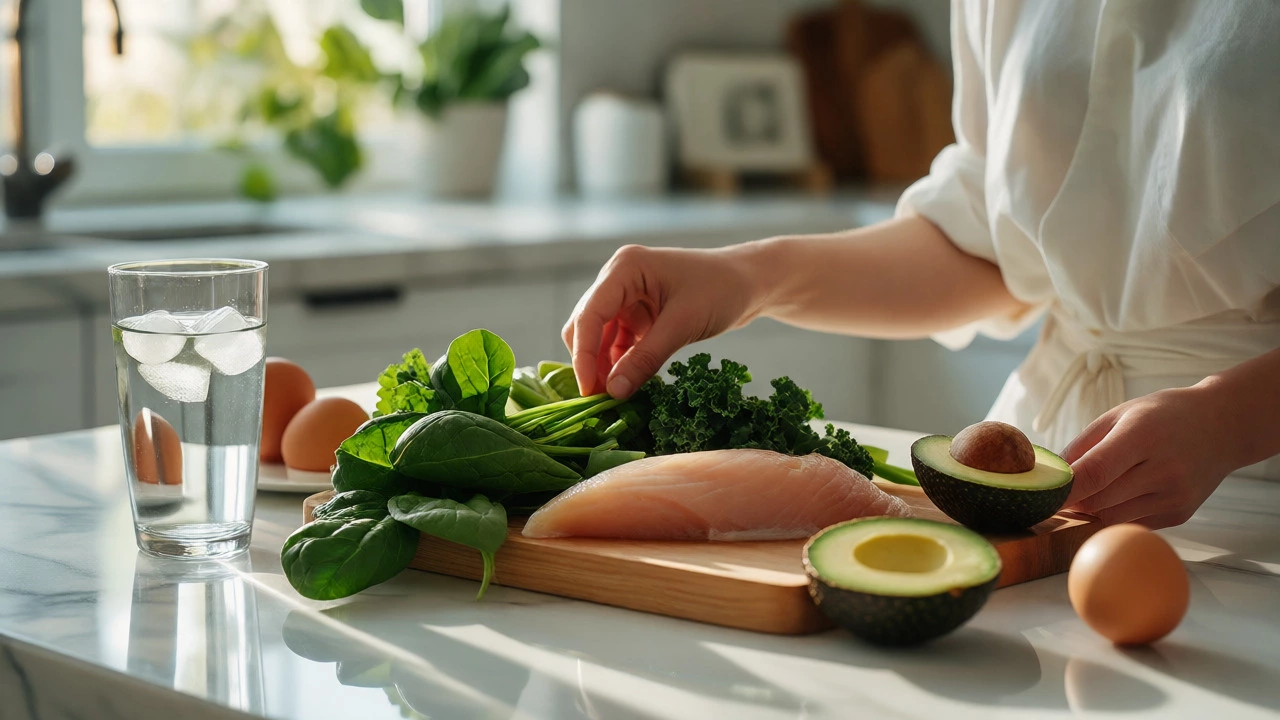
Cut back on refined sugars and alcohol. Alcohol stops fat burning because your liver prioritizes breaking down alcohol over everything else. One glass of wine might seem harmless, but for two weeks, skipping it entirely can make a noticeable difference in your waist measurement. Also, watch your sodium intake. Salt causes water retention, which makes your belly look puffy. Avoid processed foods, canned soups, and salty snacks. Instead, fill your plate with leafy greens, lean meats, fish, eggs, and healthy fats like avocado or olive oil.
| Nutrient | Action | Why It Works |
|---|---|---|
| Protein | Increase to 1.6g per kg of body weight | Preserves muscle, increases satiety, boosts metabolism |
| Carbohydrates | Reduce refined carbs; keep complex sources | Lowers insulin spikes, reduces water retention |
| Fiber | Aim for 25-30g daily | Improves digestion, reduces bloating, stabilizes blood sugar |
| Water | Drink 2-3 liters daily | Flushes out excess sodium, aids kidney function |
Exercise: Move More, Sit Less
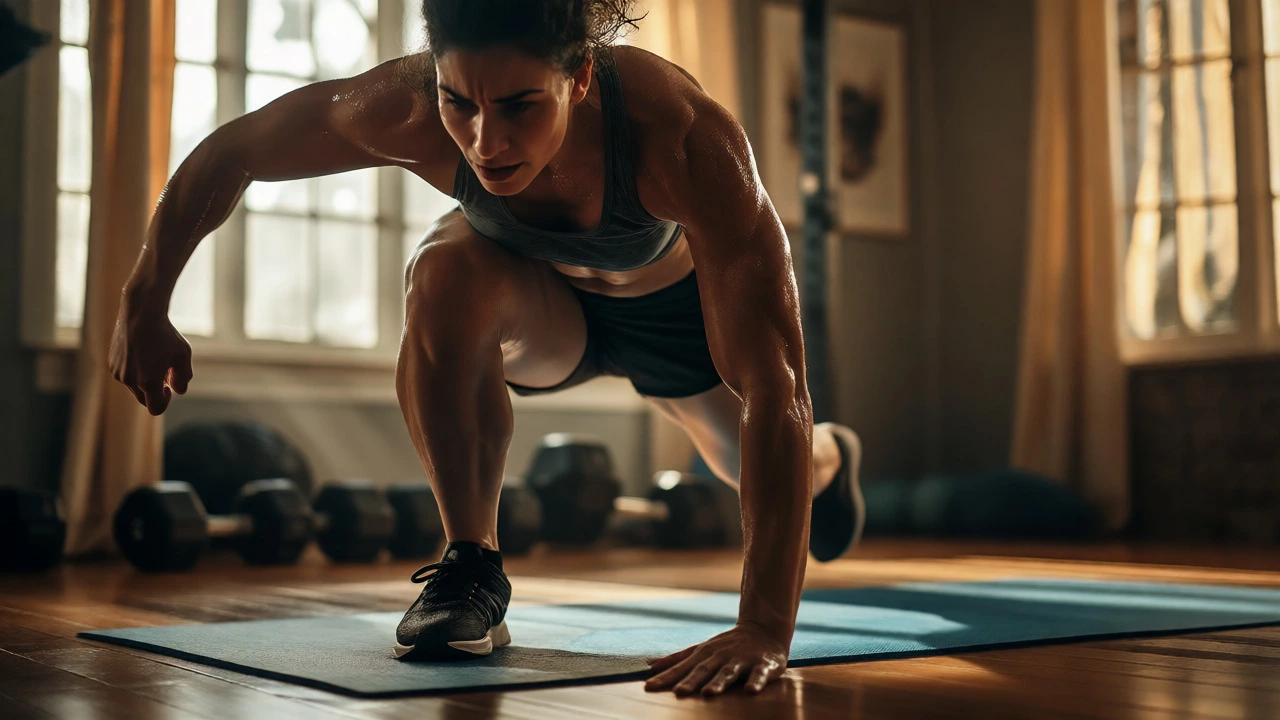
Do not spend all your time doing ab workouts. Compound movements that use multiple muscle groups burn far more calories than isolation exercises. Squats, deadlifts, push-ups, and lunges engage your core naturally while torching energy. If you have access to a gym, try resistance training three times a week. If you prefer home workouts, bodyweight circuits work well too.
Add High-Intensity Interval Training (HIIT) twice a week. HIIT involves short bursts of intense activity followed by rest. For example, sprint for 30 seconds, walk for 30 seconds, repeat for 15 minutes. Studies suggest HIIT can improve insulin sensitivity and burn visceral fat more effectively than steady-state cardio alone. However, do not overdo it. Overtraining raises cortisol, the stress hormone, which can actually cause your body to store fat around the belly. Balance is key.
On non-HIIT days, aim for 10,000 steps. Walking is underrated. It lowers cortisol levels and helps regulate appetite without stressing your joints. If you sit at a desk all day, stand up every hour. Sedentary behavior slows down lipoprotein lipase, an enzyme that breaks down fat. Standing desks or simple walking meetings can help counteract this.
Managing Bloating and Digestion
Sometimes, your stomach looks bigger not because of fat, but because of gas and food volume. Identify your trigger foods. Common culprits include dairy, gluten, beans, and cruciferous vegetables like broccoli if you are sensitive to them. Try eliminating these for two weeks to see if your waistline shrinks. Probiotics can also help balance gut bacteria, reducing gas production. Fermented foods like yogurt, kefir, or sauerkraut are natural sources.
Eat slowly. Chewing your food thoroughly starts the digestive process in your mouth and prevents swallowing air, which leads to bloating. Avoid carbonated drinks. That fizz expands in your stomach, pushing your belly out. Stick to still water, herbal tea, or black coffee. Green tea contains catechins, which may mildly boost metabolism and aid fat oxidation.

Sleep and Stress: The Hidden Killers
You might be eating right and exercising hard, but if you are sleeping four hours a night, you will struggle to lose belly fat. Lack of sleep disrupts hunger hormones. Ghrelin (the hunger hormone) goes up, and leptin (the fullness hormone) goes down. You end up craving sugary, high-carb foods because your brain is seeking quick energy. Aim for 7-9 hours of quality sleep. Keep your bedroom cool and dark. Put your phone away an hour before bed.
Stress triggers cortisol release. Chronic high cortisol signals your body to store fat in the abdominal area as a protective mechanism. Find ways to decompress. Meditation, deep breathing exercises, or even reading a book can lower stress levels. Take five minutes in the morning to plan your day rather than reacting to chaos. Control what you can control.
Your 14-Day Action Plan
Here is a simple structure to follow for the next two weeks:
- Days 1-3: Clean out the pantry. Remove junk food. Start drinking more water. Cut alcohol completely. Begin tracking your food intake loosely to understand portion sizes.
- Days 4-7: Introduce HIIT sessions. Increase protein intake. Monitor bloating levels. Adjust fiber intake if necessary.
- Days 8-11: Maintain consistency. Do not cheat. Focus on sleep hygiene. Add extra walking steps if energy allows.
- Days 12-14: Evaluate progress. Measure your waist, not just weigh yourself. Notice how your clothes fit. Plan your transition to long-term habits.
Remember, this is a sprint, not a marathon. After two weeks, you should feel lighter and less bloated. But to keep the results, you need to adopt these habits permanently. Losing tummy fat is not about suffering; it is about making consistent choices that support your biology.
Can I really lose 10 pounds in 2 weeks?
You might see the scale drop by 5-10 pounds, but much of this is water weight and reduced gut content, especially if you cut carbohydrates and salt. Actual fat loss in two weeks is typically closer to 1-3 pounds for most people. Do not expect all lost weight to be pure fat.
Do ab exercises burn belly fat?
No, ab exercises strengthen the muscles underneath the fat but do not significantly burn the fat itself. Spot reduction is a myth. To lose belly fat, you must create a calorie deficit through diet and full-body exercise, which forces your body to use stored fat for energy globally.
Is intermittent fasting good for losing tummy fat?
Yes, intermittent fasting can help by restricting the eating window, which often leads to a natural calorie deficit. It may also improve insulin sensitivity. However, it is not magic; if you overeat during your eating window, you will not lose weight. It works best as a tool for portion control.
What is the best drink to lose belly fat?
Water is the best choice. It has zero calories and helps flush out sodium. Green tea is also beneficial due to its antioxidant content and mild metabolism-boosting effects. Avoid sugary sodas, fruit juices, and excessive alcohol, as these add empty calories and promote fat storage.
Why does my stomach look bigger after eating?
This is often due to bloating caused by gas, food volume, or water retention. Certain foods like beans, lentils, dairy, or high-sodium meals can cause temporary expansion. Eating slowly and identifying food sensitivities can help reduce post-meal bloating.