Is Fitbit Being Discontinued? The Truth About Google’s Wearables
Fitbit Viability & Support Checker
Select your device model and phone type to see its current support status, data safety implications, and recommended next steps.
Common Troubleshooting Tips:
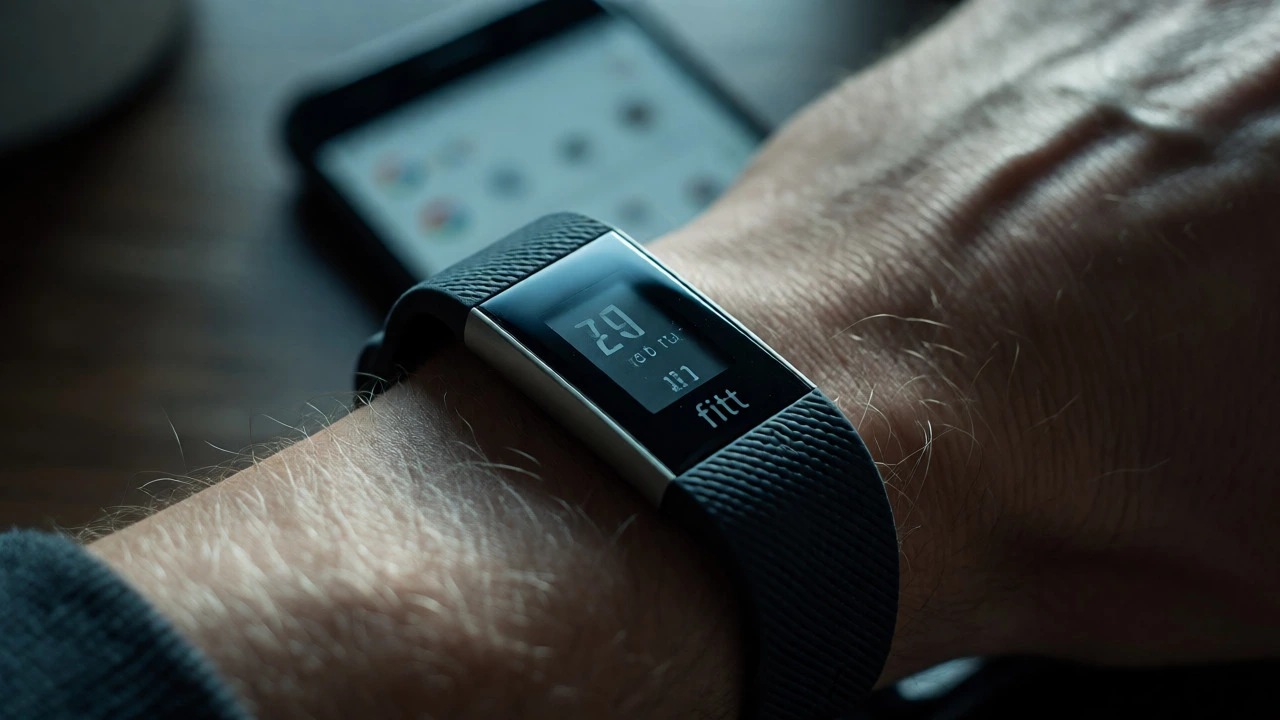
You’re staring at your wrist. Maybe it’s an old Fitbit Charge that’s finally lost its charge capacity, or perhaps you just saw a headline screaming that Fitbit is being discontinued. Panic sets in. Did you just buy a dead-end device? Is your data going to vanish into the digital ether? Here’s the short answer: No, Fitbit isn’t dying, but it has changed shape so drastically that it feels like it did.
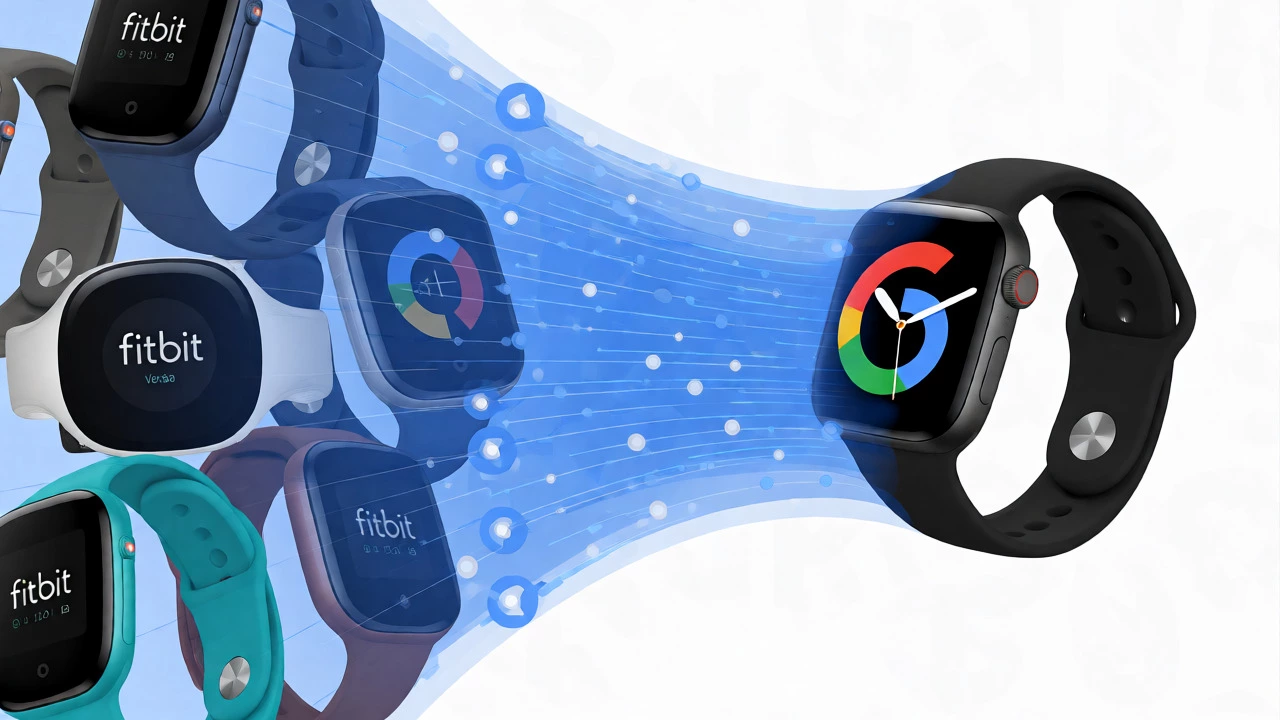
The confusion stems from a massive corporate shift. When Google acquired Fitbit for $2.1 billion in 2021, they didn’t just buy a gadget company; they bought a health platform. Since then, Google has been slowly absorbing Fitbit’s hardware identity into its own Pixel Watch line while keeping the Fitbit app alive and well. If you are wondering whether your tracker is orphaned, you need to understand the difference between the brand name and the software engine driving it.
The Great Hardware Merge
Let’s be clear about what "discontinued" actually means in this context. It doesn’t mean support stops tomorrow. It means new products under the traditional "Fitbit" label are becoming rare, replaced by devices wearing the Google badge. In 2023, Google launched the Pixel Watch 2, which runs on Wear OS but uses Fitbit as its default health service. This was the turning point. The standalone Fitbit smartwatches, like the Fitbit Sense 2, are still sold, but they are no longer the flagship focus of the parent company.
Think of it like a car manufacturer buying a smaller electric vehicle startup. They keep selling the old models until stock runs out, but all future R&D goes into their main brand. For users, this creates a weird limbo. You can still buy a Fitbit Inspire 3 today. It works perfectly. But will there be an Inspire 4 next year? Probably not. That slot is likely reserved for a budget-friendly Pixel Watch or a rebranded accessory.
Your Data Isn’t Going Anywhere
This is the biggest fear for long-time users: "Will I lose my history?" The answer is a resounding no. Your health data lives in the cloud, specifically within the Google Health Services infrastructure, which powers the Fitbit app. Even if you switch from a Fitbit Versa 4 to a Samsung Galaxy Watch, you can export your historical steps, sleep scores, and heart rate variability (HRV) data. The ecosystem is more open now than it was five years ago.
However, there is a catch with syncing. Older devices rely on specific Bluetooth protocols. As Android and iOS update their operating systems, compatibility layers get thinner. If you have a Fitbit Alta HR from 2017, you might find it struggling to pair with a new iPhone running iOS 18. This isn’t because Fitbit shut down the server; it’s because hardware ages. Google supports current and recent generations vigorously. Anything older than three years enters a "maintenance mode" where bug fixes slow down, but core functionality remains intact.
Software vs. Hardware: What Actually Stopped?
To understand the situation, you have to separate the Fitbit App from the Fitbit Devices. The app is arguably stronger than ever. It has integrated seamlessly with Google Calendar, Gmail, and even Spotify. The subscription model, Fitbit Premium, continues to offer advanced insights like Daily Readiness Scores and personalized workout plans. If you cancel your subscription, you don’t lose your past data-you just stop getting the deep analytics. Your step count and basic sleep stages remain free.
On the hardware side, the discontinuation is selective. Look at the table below to see where different product lines stand as of late 2026:
| Product Line | Status | Successor/Alternative | User Impact |
|---|---|---|---|
| Fitbit Charge Series | Active Sales | No direct successor announced | Low risk; still supported for sync |
| Fitbit Luxe | Discontinued | Pixel Watch SE (rumored) | Medium risk; battery replacement scarce |
| Fitbit Sense/Versa | Legacy Support | Pixel Watch 3 | High risk; software updates slowing |
| Fitbit Ace (Kids) | Active Sales | N/A | Low risk; niche market maintained |
Notice the pattern? The entry-level trackers are safe bets because they serve a specific, low-cost demographic. The mid-range smartwatches are the casualties. Why buy a Fitbit Sense 2 when the Pixel Watch offers better integration with Android phones, faster processors, and access to the full Play Store? Google realized they were cannibalizing their own sales, so they stopped investing heavily in new Fitbit-branded watches.
Should You Buy a Fitbit Today?
If you are shopping for a new tracker right now, the question isn’t "is it dead?" but "does it fit my phone?" This is the single most important factor. If you use an Android phone, specifically a Pixel, buying a Fitbit makes less sense than buying a Pixel Watch. The integration is tighter, notifications are smoother, and you avoid the double-app setup (one for the watch, one for health).
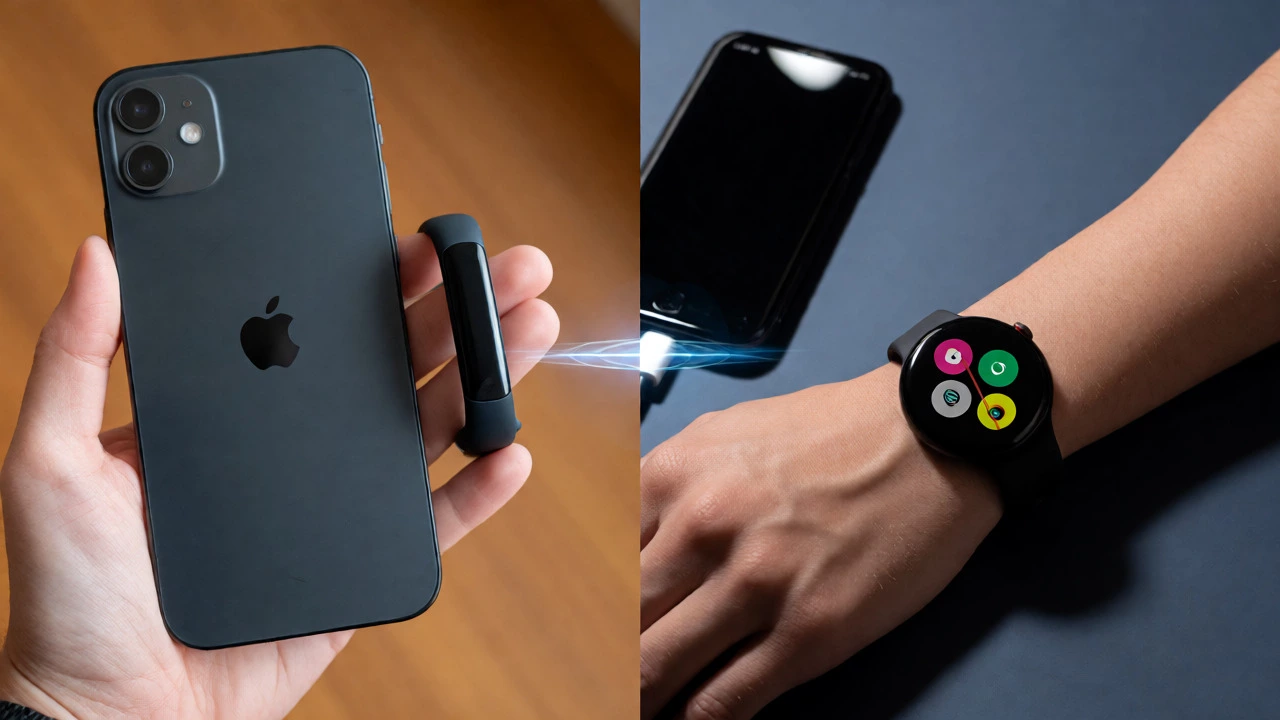
But if you use an iPhone, things change. The Pixel Watch has limited functionality on iOS. You cannot reply to texts, install many apps, or get full health sync features. For iPhone users, a Fitbit Charge 6 or Inspire 3 is often superior to a cheap Apple Watch alternative. They are lightweight, have incredible battery life (often lasting a week), and the Fitbit app works flawlessly on iOS. So, for half the market, Fitbit hardware is not just alive-it’s the best value option.
The Future of Health Tracking
Where does this leave us? We are moving toward a unified health layer. Google is building Health Connect (on Android) and similar APIs to allow any device to talk to any app. Your Fitbit data can feed into MyFitnessPal, Strava, or Apple Health without manual exports. The brand name "Fitbit" might fade from the box, but the algorithms behind it-the ones that calculate your cardiovascular load or sleep consistency-are becoming the industry standard.
Don’t throw away your old tracker yet. If it still holds a charge and syncs, keep using it. The community forums are active, and third-party accessories (bands, chargers) are still widely available on sites like Amazon and eBay. However, if your device is broken, do not try to repair it. The cost of parts often exceeds the price of a new Fitbit Inspire 3, which costs around £50-£60 in the UK. It’s cheaper to upgrade than to fix.
Troubleshooting Common Sync Issues
Since we are talking about longevity, let’s address the elephant in the room: connection drops. Many users think their device is "dead" because it won’t sync. Usually, it’s just a software conflict after a phone update. Here is a quick checklist to revive your Fitbit:
- Restart both devices: Not just the watch. Turn off your phone completely, wait ten seconds, turn it back on, then restart the tracker.
- Check Bluetooth permissions: On newer Android versions, you must grant "Nearby Devices" permission explicitly. Go to Settings > Apps > Fitbit > Permissions and ensure Location and Nearby Devices are allowed.
- Clear Cache: In the Fitbit app settings, look for "Clear Local Storage." This forces a fresh download of your latest stats. Warning: This may take a few minutes to re-sync all history.
- Unpair and Re-pair: If nothing else works, remove the device from your Bluetooth list and the Fitbit app, then set it up as new. Your cloud data is safe, but you might lose local alarms.
If these steps fail, check the serial number against Google’s support page. Sometimes, specific batches had hardware defects related to battery swelling. If yours is affected, you might still be eligible for a trade-in credit, even years later.
Frequently Asked Questions
Will Fitbit stop supporting my old device soon?
No, support is ongoing for devices released within the last 3-4 years. Older devices (pre-2020) receive security patches only and no new features. You can continue to use them for basic tracking indefinitely as long as they physically function.
Do I need a Fitbit Premium subscription to keep my data?
No. Your historical data is stored in your account regardless of subscription status. Premium provides advanced metrics like stress management scores and guided programs, but basic steps, distance, calories, and sleep stages remain free forever.
Can I move my Fitbit data to an Apple Watch?
Yes. You can connect your Fitbit account to Apple Health via the Fitbit app settings. Once linked, your workouts, steps, and heart rate data will automatically appear in the Apple Health app, allowing you to maintain continuity even if you switch ecosystems.
Why did Google buy Fitbit if they are stopping production?
Google bought Fitbit for its software, algorithms, and user base, not just its hardware. By integrating Fitbit’s health engine into Wear OS and the Pixel Watch, they strengthened their position against Apple and Samsung. The hardware transition is a strategic consolidation, not a failure.
Are Fitbit bands still available to buy?
Yes, thousands of third-party manufacturers produce bands for all major Fitbit models. While official Google-made bands may become scarce for older models, generic replacements are abundant and inexpensive on online marketplaces.