Is Fitbit Losing Popularity? Market Share, Trends, and Alternatives in 2026
Fitbit Compatibility & Alternative Finder
Answer three simple questions to find your ideal wearable match based on current 2026 market trends.
Recommended Device:
Why it fits you
Things to consider
You probably still see them on wrists everywhere: the sleek black bands, the familiar app icons. But if you look closely at tech forums or ask your gym buddies what they’re wearing, something feels different than it did five years ago. The question isn't just "does Fitbit still work?"-it's is Fitbit losing popularity in a market that has exploded with better sensors, longer battery life, and deeper health insights?
The short answer is nuanced. Fitbit hasn't disappeared, but its dominance as the default entry-level wearable has cracked. In 2026, the landscape is fragmented. While Fitbit remains a strong brand for casual users, high-end athletes have migrated to Garmin, data-obsessed biohackers are on Whoop, and iPhone users are increasingly glued to the Apple Watch Ultra. This article breaks down exactly where Fitbit stands today, why some people are leaving, and whether it’s still the right choice for you.
The Reality Check: What Do the Numbers Say?
Let’s skip the anecdotes and look at the hard data. According to IDC Worldwide Quarterly Wearable Device Tracker reports from early 2026, Fitbit holds roughly 8-10% of the global smartwatch and fitness band market. That sounds decent until you realize that in 2015, Fitbit held over 25%. Meanwhile, Apple commands nearly 30%, and Xiaomi dominates the budget sector with massive volume.
But market share doesn’t tell the whole story. Fitbit’s user base is stable, not collapsing. It’s just growing slower than the overall market. The real shift is in *who* buys Fitbits. In 2020, many serious runners bought Fitbits. Today, serious runners buy Garmins or Coros. Fitbit has become the go-to for "I want to track my steps and sleep without thinking about it," rather than "I need VO2 max estimates and training load metrics."
| Brand | Market Share (Global) | Primary User Base | Key Strength | Key Weakness |
|---|---|---|---|---|
| Apple Watch | ~30% | iPhone Users, General Consumers | Ecosystem Integration, Apps | Battery Life, Price |
| Xiaomi | ~20% | Budget-Conscious Global Users | Price-to-Performance Ratio | Data Accuracy, App Polish |
| Samsung Galaxy Watch | ~12% | Android Users | Health Features, Design | iOS Compatibility |
| Garmin | ~10% | Athletes, Outdoor Enthusiasts | GPS Accuracy, Battery Life | Smartphone Functionality |
| Fitbit | ~9% | Casual Health Trackers, Corporate Wellness | Simplicity, Sleep Tracking | Limited Advanced Metrics |
Why People Are Switching Away From Fitbit
If you’re wondering why your friend traded her Charge 6 for a Whoop strap, it usually comes down to three specific frustrations: subscription fatigue, sensor limitations, and ecosystem lock-in.
Subscription Fatigue is the big one. Since Google acquired Fitbit, the push toward Fitbit Premium has been aggressive. You can use the basic features for free, sure. But the best insights-like detailed stress management scores, personalized workout recommendations, and deep sleep stage analysis-are behind a paywall ($9.99/month). Many users feel they’re paying twice: once for the hardware, and again for the software that should come with it. Competitors like Whoop bundle everything into one monthly fee, while Garmin offers most advanced metrics for free after the initial purchase.
Sensor Limitations matter more now than ever. Early on, Fitbit was the gold standard for heart rate accuracy. Today? Not so much. Studies published in journals like *JMIR mHealth and uHealth* have shown that while Fitbit is great for resting heart rate, it struggles during high-intensity interval training (HIIT) compared to chest straps or newer optical sensors from Garmin and Polar. If you’re doing CrossFit or sprint intervals, Fitbit’s wrist-based HR often lags by 5-10 seconds, which ruins the data utility for performance tracking.
Ecosystem Lock-In is another factor. Fitbit works well with Android and iOS, but it lacks the seamless integration of an Apple Watch on an iPhone or a Galaxy Watch on a Samsung phone. Notifications are clunky. Replying to texts is limited. For users who want their watch to be a true smartphone extension, Fitbit feels like a dumb device attached to a smart phone.
Where Fitbit Still Wins
Don’t write Fitbit off yet. It retains a loyal following for good reasons, particularly in two areas: sleep tracking and corporate wellness.
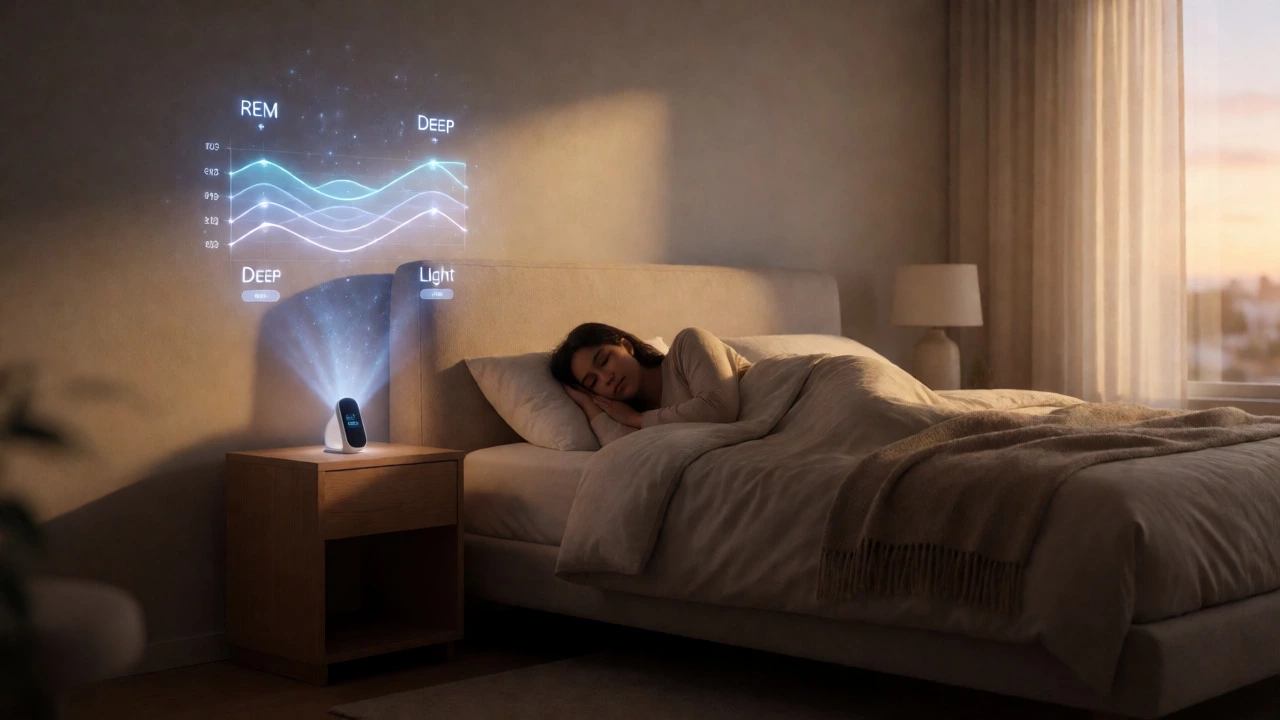
Sleep Tracking remains Fitbit’s crown jewel. The algorithm for detecting sleep stages (light, deep, REM) is arguably the most accurate among consumer wearables, validated against polysomnography studies. If your main goal is understanding your rest quality, the Fitbit Sense 2 or Pixel Watch (which uses Fitbit OS under the hood) provides clearer, more actionable sleep data than most competitors. The "Sleep Profile" feature gives you a score out of 100 and explains *why* your score dropped-was it late caffeine? Late screen time? This educational approach keeps users engaged.
Corporate Wellness programs also keep Fitbit alive. Companies love the simplicity. Employees don’t need to configure complex GPS settings or worry about battery anxiety. They just wear it, sync it, and hit step goals. The gamification elements-challenges, badges, team competitions-are polished and effective for keeping sedentary office workers moving. If you’re looking for a low-friction way to start a health habit, Fitbit’s onboarding process is superior to Garmin’s steep learning curve.
The Google Factor: Is the Brand Being Absorbed?
In 2021, Google bought Fitbit for $2.1 billion. By 2026, the strategy has shifted. Instead of pushing standalone Fitbit devices, Google is integrating Fitbit’s health engine into the Google Pixel Watch and Android Health services. This means the standalone Fitbit lineup is shrinking. You’ll see fewer new "Fitbit-branded" watches and more "Pixel Watches with Fitbit inside."
This creates confusion for consumers. Is buying a Fitbit Charge 6 a dead-end investment? Not necessarily. It still gets updates. But long-term, Google seems focused on making Fitbit a service layer rather than a hardware empire. If you prefer a dedicated fitness tracker over a smartwatch, you might find the future product roadmap less exciting.
Who Should Still Buy a Fitbit in 2026?
Despite the competition, Fitbit is still the right choice for specific personas. Here’s a quick decision tree:
- The Casual Mover: You walk 8,000-10,000 steps a day, do light yoga, and care about sleep. You don’t want to charge your watch every night. A Fitbit Charge 6 or Fitbit Inspire 3 is perfect. Battery lasts 7+ days, and the app is intuitive.
- The Sleep Optimizer: Your primary health metric is recovery. You want detailed breakdowns of REM cycles and blood oxygen levels. Fitbit’s sleep algorithms are top-tier.
- The Budget Conscious: You want reliable tracking without spending $400+. Fitbit frequently discounts older models, making them great value props.
Conversely, avoid Fitbit if you are a runner who needs precise pace data, a triathlete needing multi-sport modes, or someone who hates subscriptions. For those groups, Garmin, Coros, or Whoop offer better ROI.
Alternatives That Are Stealing Fitbit’s Lunch
If you’re ready to switch, here are the top contenders currently eroding Fitbit’s market share:
- Whoop: No screen, all data. It’s a subscription-only model ($30/month) that focuses purely on strain and recovery. Popular among pro athletes and biohackers who want raw data without distractions.
- Garmin Venu Sq 2 / Forerunner Series: Offers professional-grade metrics without the subscription cost. Battery life is weeks, not days. The interface is dated, but the data is king.
- Oura Ring: Discreet, comfortable, and excellent for sleep. It’s expensive upfront but requires no subscription for core features. Great for people who hate wearing watches.
- Amazfit: The budget king. Amazfit GTR/GTS series offer AMOLED screens and 2-week battery life for under $150. The app is improving rapidly, and accuracy is surprisingly close to Fitbit for casual use.
Frequently Asked Questions
Is Fitbit shutting down?
No, Fitbit is not shutting down. However, Google is integrating Fitbit technology into its broader ecosystem, including the Pixel Watch and Android Health platform. Standalone Fitbit devices will likely continue to receive support for several more years, but new innovation may focus more on the Pixel line.
Do I need Fitbit Premium to use my Fitbit?
No. Basic features like step counting, heart rate monitoring, sleep tracking, and notifications work for free. Fitbit Premium ($9.99/month) unlocks advanced insights, guided workouts, and deeper data history. Most casual users find the free tier sufficient.
Which is better for running: Fitbit or Garmin?
Garmin is significantly better for serious running. It offers dual-band GPS, training status/load metrics, and longer battery life without charging. Fitbit is fine for jogging or treadmill runs but lacks the precision and depth required for marathon training or interval analysis.
Is Fitbit accurate for heart rate?
Fitbit is highly accurate for resting heart rate and steady-state cardio (walking, light jogging). During high-intensity exercise, wrist-based optical sensors can lag or drift. For HIIT or heavy lifting, a chest strap monitor paired with the watch is recommended for accurate data.
What is the best Fitbit alternative for sleep tracking?
The Oura Ring is widely considered the best alternative for sleep tracking due to its comfort and finger-based sensor accuracy. The Whoop strap is also excellent for recovery-focused sleep analysis. Both require a subscription, similar to Fitbit Premium.