Is HIIT the Number 1 Exercise to Lose Fat? The Truth About Calorie Burn

HIIT vs. Steady-State Calorie Burn Calculator
Discover why High-Intensity Interval Training often beats jogging for time efficiency. Enter your details below to calculate the total calories burned, including the post-workout "afterburn."
Let’s be honest: you’ve probably seen a TikTok or an Instagram reel claiming that one specific move melts belly fat while you sleep. It’s tempting to believe there’s a magic bullet. But if you’re looking for the single most effective way to shed pounds, the answer isn’t a crunch or a plank. It’s about energy expenditure and metabolic stress.
The short answer? High-Intensity Interval Training, or HIIT, often tops the list of exercises for fat loss efficiency. Why? Because it packs a massive caloric punch in a short time and keeps your metabolism elevated long after you stop moving. But is it truly the "number 1"? That depends on how you define success and what your body can handle. Let’s break down the science, the strategy, and why this approach beats steady-state cardio for many people aiming to drop fat fast.
Why HIIT Beats Steady-State Cardio for Fat Loss
To understand why interval training wins, we have to look at how your body burns fuel. When you jog at a moderate pace, you primarily use aerobic pathways. You burn calories while you run, but once you stop, your metabolic rate drops back to baseline quickly. It’s linear. You get out what you put in, right now.
HIIT works differently. By alternating between bursts of near-maximal effort and short recovery periods, you create an oxygen debt. This leads to a phenomenon known as Excess Post-exercise Oxygen Consumption (EPOC), often called the "afterburn effect." Your body needs extra oxygen to restore itself, repair muscle tissue, and replenish energy stores. This process continues for hours after your workout ends, meaning you keep burning calories even while sitting on the couch watching TV.
Research consistently shows that high-intensity efforts can increase total daily energy expenditure more than moderate-intensity activities of the same duration. If you only have 20 minutes to spare, HIIT is statistically the superior choice for maximizing fat oxidation per minute spent.
The Science Behind Metabolic Stress
Fat loss ultimately comes down to a caloric deficit. You need to burn more energy than you consume. While diet plays the biggest role (often cited as 80% of the equation), exercise determines how much you can eat without gaining weight and helps preserve lean muscle mass during a cut.
Muscle tissue is metabolically active. More muscle means a higher Basal Metabolic Rate (BMR). HIIT, especially when combined with resistance elements, signals the body to maintain or build muscle while burning fat. In contrast, excessive low-intensity cardio can sometimes lead to muscle catabolism if protein intake isn't optimized, leaving you with a lower resting metabolism over time.
Think of it this way: A runner who does five miles of steady jogging might burn 400 calories. An athlete doing 20 minutes of sprint intervals might burn 350 calories during the session but another 100-150 calories over the next 24 hours due to EPOC. Over weeks, that compound effect adds up significantly.
How to Structure an Effective Fat-Loss Workout
You don’t need complex programming to see results. The key is intensity and consistency. Here is a simple, evidence-based structure you can follow three to four times a week:
- Warm-up (5 minutes): Light jogging, dynamic stretches, or jumping jacks to raise core temperature.
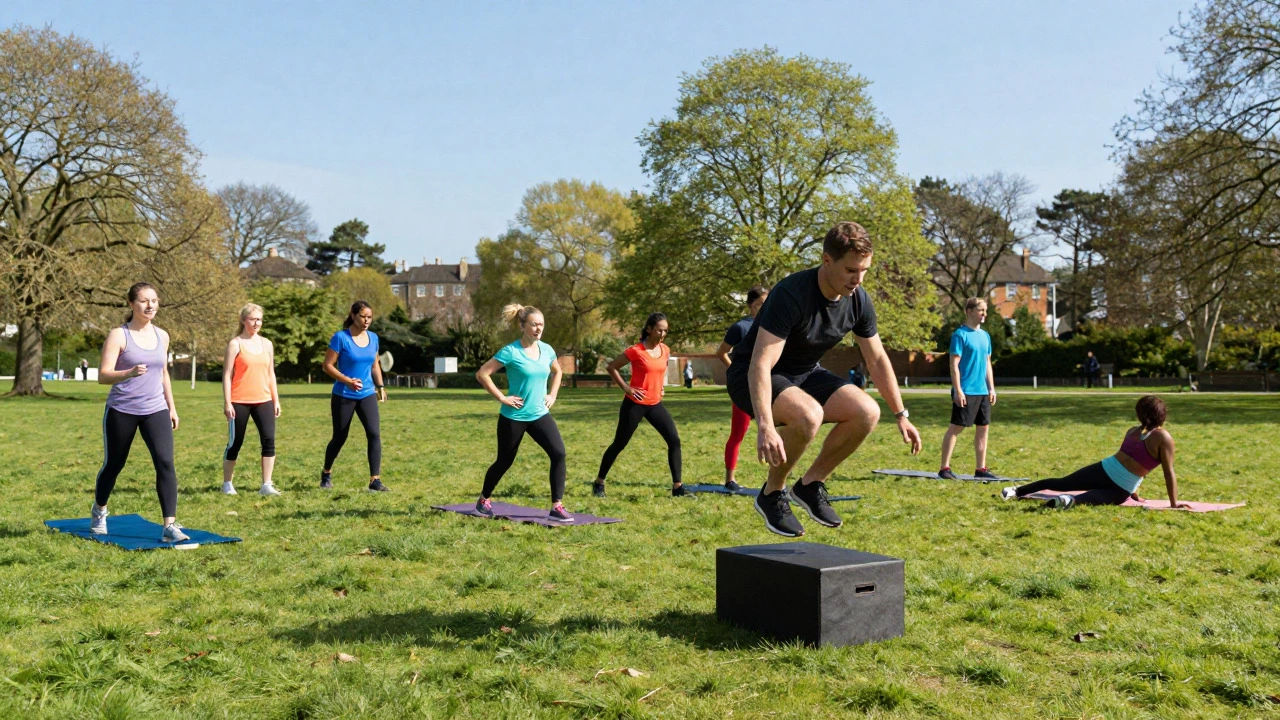
- Work Phase (30 seconds): Perform an exercise at 80-95% of your maximum effort. Examples include burpees, kettlebell swings, rowing sprints, or box jumps.
- Rest Phase (60 seconds): Active rest like walking or light shadow boxing. Keep the heart rate elevated but allow partial recovery.
- Repeat: Cycle through 8-12 rounds depending on fitness level.
- Cool-down (5 minutes): Static stretching and deep breathing to lower heart rate gradually.
The work-to-rest ratio is critical. For beginners, a 1:2 ratio (30 seconds work, 60 seconds rest) is manageable. As you fitter, shift to 1:1 or even 1:0.5 (60 seconds work, 30 seconds rest) to increase intensity.

Common Mistakes That Kill Progress
Even the best exercise plan fails if execution is sloppy. Here are the pitfalls that prevent people from seeing results:
- Going too easy during work intervals: If you can hold a conversation comfortably during the "hard" part, you aren’t working hard enough. True HIIT should leave you breathless.
- Ignoring nutrition: You cannot out-train a bad diet. If you’re eating in a surplus, no amount of HIIT will result in fat loss.
- Overtraining: Doing HIIT every day leads to burnout and injury. Aim for 3-4 sessions per week, allowing at least 48 hours of rest between intense days.
- Poor form: Rushing through movements increases injury risk. Quality reps at high intensity beat sloppy reps every time.
HIIT vs. Other Modalities: A Practical Comparison
No single exercise fits everyone. Some people prefer the meditative aspect of yoga, others love the community vibe of group cycling. However, when strictly comparing fat-loss efficiency per unit of time, HIIT stands out. Let’s look at how it stacks up against other popular methods.
| Exercise Type | Calories Burned (30 min) | EPOC Effect | Time Efficiency | Muscle Preservation |
|---|---|---|---|---|
| HIIT | 250-400 kcal | High | Excellent | Good (if mixed with strength) |
| Steady-State Cardio (Jogging) | 300-400 kcal | Low | Moderate | Neutral |
| Strength Training | 150-250 kcal | Moderate | Moderate | Excellent |
| Yoga/Pilates | 100-200 kcal | Very Low | Low | Neutral |
Note: Strength training is arguably better for long-term body composition because it builds the muscle that raises your BMR. The ideal approach for many is a hybrid model: heavy lifting three times a week, with one or two HIIT sessions to boost cardiovascular health and additional calorie burn.
Who Should Avoid Pure HIIT?
While HIIT is powerful, it’s not suitable for everyone. If you are completely sedentary, starting with high-intensity intervals can be overwhelming and risky. Your joints and cardiovascular system need time to adapt. In these cases, start with Low-Intensity Steady State (LISS) cardio like brisk walking for 30-45 minutes. Build a base of fitness over 4-6 weeks before introducing intervals.
Similarly, if you have joint issues (knees, hips, spine), impact-heavy HIIT moves like burpees or jump rope might aggravate pain. Opt for low-impact alternatives like rowing machines, stationary bikes, or swimming sprints. The principle remains the same: high intensity, short duration, adequate rest.
Nutrition: The Unsung Hero of Fat Loss
It feels redundant to say this, but exercise is only half the battle. To lose fat, you must be in a caloric deficit. HIIT makes this easier by increasing your Total Daily Energy Expenditure (TDEE), which allows you to eat slightly more while still losing weight compared to someone who doesn’t exercise.
Focus on protein intake. Aim for 0.7-1 gram of protein per pound of body weight. This supports muscle repair during the high-stress intervals and keeps you satiated. Pair this with complex carbohydrates for fuel before workouts and healthy fats for hormonal balance. Without proper fuel, your HIIT performance will suffer, leading to fewer calories burned and less EPOC.
Building a Sustainable Routine
The best exercise is the one you’ll actually do. If you hate running, don’t force yourself into a 5K program. Find a modality you enjoy-cycling, rowing, dancing, or combat sports-and apply interval principles to it. Consistency beats perfection. Three 20-minute HIIT sessions a week will yield better results than one grueling 90-minute workout you dread doing.
Track your progress, but don’t obsess over the scale. Use measurements, photos, and how your clothes fit. Fat loss is non-linear; some weeks you’ll stall, others you’ll drop pounds rapidly. Trust the process. Give it 8-12 weeks of consistent effort, and the changes will be undeniable.
Is HIIT better than running for fat loss?
For time efficiency, yes. HIIT typically burns more calories per minute and triggers a higher EPOC response. However, if you enjoy running and can sustain it for longer durations, steady-state running is also effective. Choose the one you stick with consistently.
How often should I do HIIT to lose fat?
Three to four times per week is optimal for most people. More than that can lead to overtraining and increased cortisol levels, which may hinder fat loss. Ensure you have at least one full rest day between intense sessions.
Can I do HIIT on an empty stomach?
Some people prefer fasted cardio, but it’s not necessary for fat loss. What matters is total daily caloric balance. If you feel weak or dizzy, eat a small snack with carbs and protein 30-60 minutes before your session to ensure peak performance.
What is the best equipment for home HIIT?
You need very little. Jump ropes, resistance bands, and dumbbells cover most needs. If space allows, a rowing machine or assault bike provides excellent low-impact, high-intensity options. Bodyweight exercises like push-ups and squats are free and highly effective.
Does HIIT burn belly fat specifically?
No. Spot reduction is a myth. HIIT reduces overall body fat percentage. As your total body fat decreases, belly fat will diminish along with it. Genetics determine where you lose fat first, but consistent caloric deficit drives the change.