Is It Okay to Drink a Protein Shake Every Day? Benefits, Risks, and Daily Limits
Daily Protein Intake Calculator
Your Details
Your Analysis
Enter your details to see your recommended protein intake and whether you need a shake.
Verdict
Analysis text goes here.
Pro Tips Based on Your Profile:
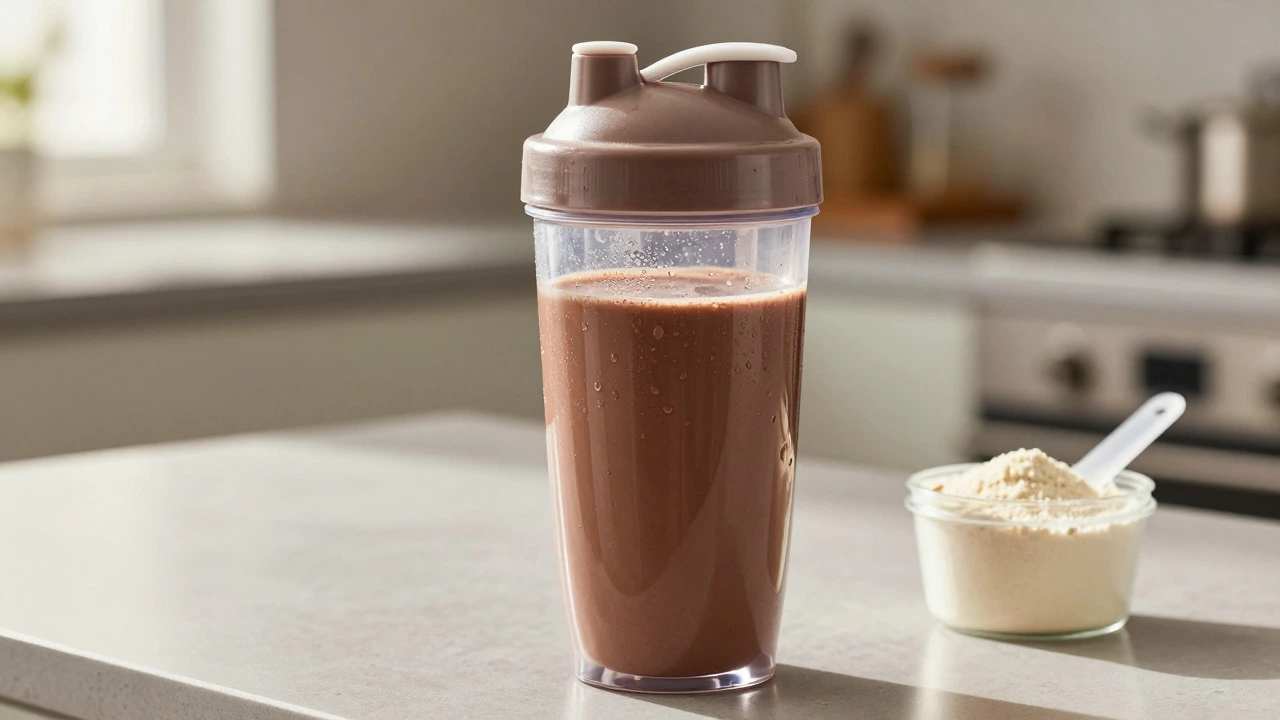
You’ve got your shaker bottle. You’ve got the powder. And you’re wondering if downing that thick, chocolatey mix every single morning is actually good for you or just a habit that’s quietly messing with your body. The short answer? Yes, it is perfectly fine to drink a protein shake every day. In fact, for many people, it’s one of the most efficient ways to hit their nutritional targets without spending hours in the kitchen.
But "fine" doesn’t mean "unlimited." There’s a big difference between using a shake as a tool and relying on it as a crutch. If you’re treating it like water, you might be missing out on other essential nutrients or overloading on things you don’t need. Let’s break down what happens when you make protein shakes a daily staple, who should watch out, and how to do it right.
The Real Reason People Drink Protein Shakes Daily
We aren’t drinking these because we love the taste of chalky powder mixed with lukewarm water. We do it for convenience and biology. Protein is the building block of muscle tissue, enzymes, and hormones. Your body needs it constantly to repair itself after workouts, maintain immune function, and keep your skin and hair healthy.
The problem is that getting enough high-quality protein from whole foods alone can be a logistical nightmare. Imagine trying to eat three chicken breasts, two cups of Greek yogurt, and a pound of tofu in a busy workday. It’s heavy, it’s expensive, and it takes time to prep. A single scoop of Whey Protein is a fast-absorbing dairy-derived supplement containing all nine essential amino acids. It delivers 20-30 grams of protein in seconds. For someone aiming for 1.6 grams of protein per kilogram of body weight (a common target for active individuals), that shake covers a significant chunk of the daily requirement instantly.
So, is it okay? Absolutely. It’s a shortcut, not a cheat code. But like any shortcut, it has limits.
Who Actually Needs a Daily Shake?
Not everyone needs to add a shake to their routine. If you’re already eating eggs at breakfast, salmon for dinner, and snacking on nuts and cheese, your protein intake is likely sufficient. Adding a shake on top of that might push you into diminishing returns territory.
However, there are specific groups who benefit massively from daily supplementation:
- Strength Athletes and Bodybuilders: These individuals tear down muscle fibers repeatedly. They need rapid absorption of amino acids to rebuild. Whey isolate is often preferred here due to its speed.
- Vegans and Vegetarians: Plant-based proteins like pea or rice protein are great, but they often lack certain essential amino acids or have lower bioavailability. Blending them into a daily shake ensures you’re hitting complete protein profiles.
- Older Adults: As we age, our bodies become less efficient at processing protein (a phenomenon called anabolic resistance). Older adults often need higher doses-around 30-40 grams per meal-to stimulate muscle growth and prevent sarcopenia (muscle loss).
- Busy Professionals: If your schedule leaves no room for cooking, a shake prevents you from grabbing a bagel or a candy bar out of hunger.
The Hidden Downsides of Daily Consumption
Here is where the conversation gets interesting. While protein itself isn’t toxic, the *delivery method* and the *quantity* matter. Drinking a shake every day introduces variables that whole food doesn’t.
1. Digestive Distress
This is the most common complaint. Many commercial protein powders contain lactose (if made from whey concentrate) or artificial sweeteners like sucralose and aspartame. For people with mild lactose intolerance or sensitive guts, a daily dose can lead to bloating, gas, and irregular bowel movements. If you find yourself feeling puffy after your morning shake, switch to Whey Isolate is a filtered form of whey protein with minimal lactose and fat or try a plant-based alternative like hemp or soy.
2. Nutrient Gaps
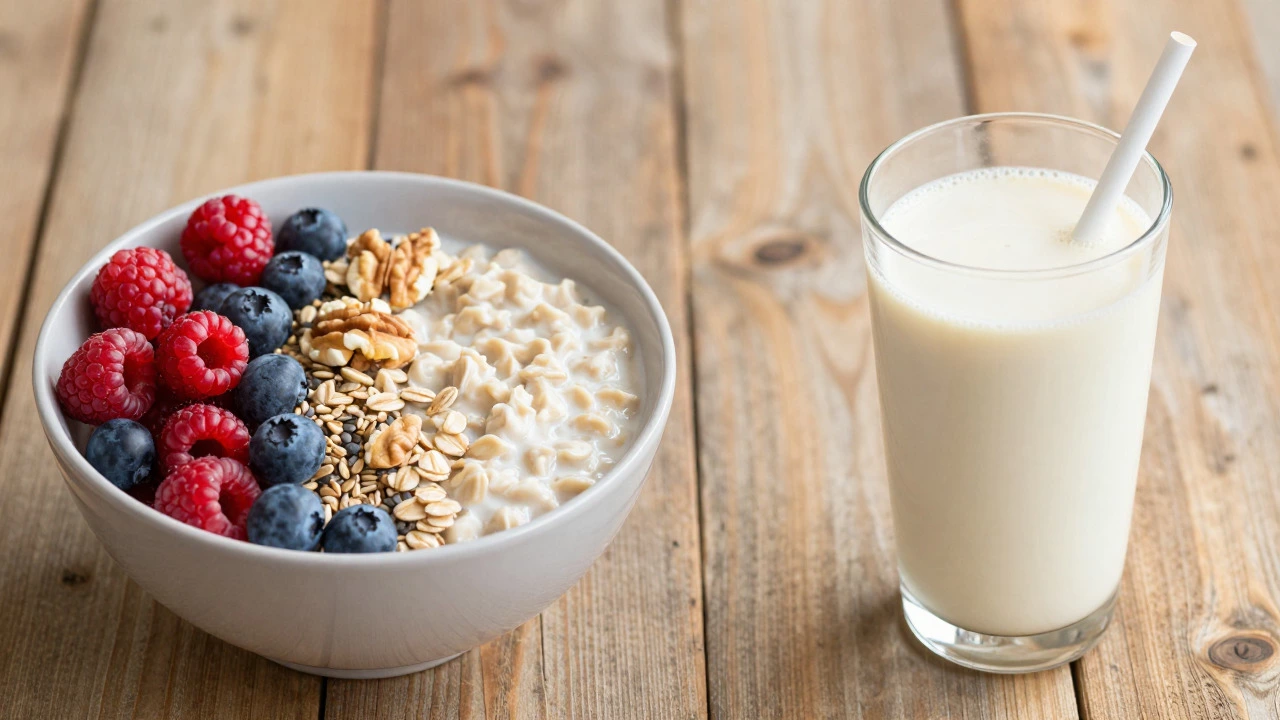
A protein shake is rarely a balanced meal. It’s mostly protein, maybe some carbs, and little else. If you replace a nutrient-dense breakfast with a shake every day, you might miss out on fiber, healthy fats, vitamins, and minerals found in oats, fruits, and vegetables. This can lead to energy crashes later in the day. Think of the shake as a side dish, not the main course.
3. Kidney Stress Myth vs. Reality
You’ve probably heard the scare story: "Too much protein kills your kidneys." For healthy individuals with normal kidney function, this is largely a myth. Studies show that high protein intake does not damage healthy kidneys. However, if you already have chronic kidney disease (CKD) or reduced kidney function, excess protein creates more waste products (urea) that the kidneys must filter. In those cases, a daily shake could be harmful unless monitored by a doctor. If you have a history of kidney issues, get your blood work checked before making protein shakes a daily habit.
4. Added Sugars and Fillers
Check the label. Some flavored protein shakes pack in 15-20 grams of added sugar per serving. That’s equivalent to four teaspoons of sugar. Doing this every day adds up to empty calories and potential insulin spikes. Look for brands with less than 3 grams of sugar per serving or unflavored options where you control the sweetness.
How Much Protein Do You Actually Need?
To determine if a daily shake is necessary, you first need to know your baseline. The Recommended Dietary Allowance (RDA) for sedentary adults is 0.8 grams of protein per kilogram of body weight. But this is the minimum to prevent deficiency, not the optimal amount for health or fitness.
| Activity Level | Protein per kg of Body Weight | Example for 70kg Person |
|---|---|---|
| Sedentary (Office Job) | 0.8 - 1.0 g/kg | 56 - 70 grams |
| Moderately Active (Exercise 3x/week) | 1.2 - 1.6 g/kg | 84 - 112 grams |
| Highly Active (Endurance/Strength) | 1.6 - 2.2 g/kg | 112 - 154 grams |
| Muscle Building/Cutting | 2.0 - 2.5 g/kg | 140 - 175 grams |
If you weigh 70kg (154 lbs) and lift weights regularly, you might aim for 120 grams of protein a day. If you eat 90 grams from food, a single 30-gram shake bridges the gap perfectly. If you only need 60 grams and you’re eating 80 grams from food, that daily shake is unnecessary extra load.
Timing Matters: When Should You Drink It?
While total daily intake matters most, timing can optimize results. Here are the best windows for a daily shake:
- Post-Workout: Within 30-60 minutes after exercise, your muscles are primed to absorb amino acids. A fast-digesting whey protein here maximizes recovery.
- Before Bed: Casein protein digests slowly, providing a steady stream of amino acids throughout the night. This helps prevent muscle breakdown during sleep.
- As a Snack Replacement: If you’re hungry between lunch and dinner, a shake keeps you satiated longer than a cookie, preventing overeating at dinner.
Avoid drinking it on an empty stomach if you have acid reflux. Protein stimulates gastric acid production, which can cause heartburn in sensitive individuals. Pair it with a piece of fruit or a handful of almonds to buffer the acidity.
Choosing the Right Shake for Daily Use
Not all protein powders are created equal. If you’re committing to daily use, quality becomes critical because you’re consuming it long-term.
- Whey Concentrate: Cheaper, contains some lactose and fat. Good for budget-conscious users with strong stomachs.
- Whey Isolate: Higher purity, faster absorption, almost zero lactose. Ideal for daily use if digestion is a concern.
- Plant-Based Blends: Pea, rice, and hemp mixes. Best for vegans. Look for blends that combine sources to ensure a complete amino acid profile.
- Collagen Protein: Great for skin, hair, and joints, but NOT a complete protein for muscle building. It lacks tryptophan. Don’t use collagen as your primary daily protein source if muscle maintenance is your goal.
Always check the ingredient list. If the first ingredient after "protein" is sugar or maltodextrin, put it back. You want clean labels with minimal additives.
Signs You’re Overdoing It
Your body will tell you if you’re taking too much protein. Watch for these red flags:
- Persistent bad breath (ketosis-like smell from urea breakdown)
- Chronic bloating or constipation (often due to low fiber intake from replacing meals)
- Unexplained fatigue or dehydration (processing protein requires more water)
- Nail brittleness or hair loss (rare, but can indicate nutrient imbalance)
If you experience these, cut back on the shakes and increase your water intake. Aim for at least 3 liters of water a day when consuming high protein.
Final Verdict: Make It Work for You
Drinking a protein shake every day is safe, effective, and convenient for most people. It’s not magic, but it’s a powerful tool for meeting nutritional goals. Just remember: supplements supplement. They don’t replace real food. Keep your diet diverse, listen to your digestive system, and adjust your intake based on your activity level. If you feel good, perform well, and your blood work looks healthy, then yes-it’s more than okay. It’s smart.
Can I drink a protein shake every day instead of a meal?
Occasionally, yes. But doing it every day is not recommended. Whole foods provide fiber, vitamins, minerals, and healthy fats that protein powders lack. Replacing meals with shakes long-term can lead to nutrient deficiencies and digestive issues. Use shakes as a supplement, not a replacement.
Does protein powder damage your liver?
For healthy individuals, no. High protein intake does not harm a healthy liver. However, if you have existing liver disease, excessive protein can increase ammonia levels, which the liver struggles to process. Consult your doctor if you have liver conditions.
What is the maximum amount of protein I should take daily?
Most research suggests that intakes above 2.2 grams per kilogram of body weight provide no additional muscle-building benefits for most people. Going significantly beyond this (e.g., 3g/kg+) may strain your kidneys and offer diminishing returns. Stick to the ranges listed in the table above.
Is whey protein better than plant protein for daily use?
Whey protein has a higher biological value and absorbs faster, making it slightly more efficient for muscle synthesis. However, modern plant protein blends (pea/rice/hemp) are highly effective and easier on the digestion for many people. Choose based on your dietary preferences and tolerance.
Will drinking protein shakes make me gain weight?
Only if it puts you in a calorie surplus. Protein itself doesn’t cause fat gain; excess calories do. If you add a 120-calorie shake to your current diet without adjusting other meals, you will gain weight. If you use the shake to replace higher-calorie snacks, you might even lose weight.