Is There Any Downside to Protein Powder? Risks, Side Effects & Safety Guide

Protein Powder Safety & Risk Checker
Your Profile
Recommended Daily Protein
Based on your weight and activity level:
-- g
Total daily protein from all sources (food + powder).
Powder Limit: It is generally recommended to get the majority of this from whole foods. If using powder, limit to 1-2 scoops (approx. 25-50g) per day to avoid digestive distress.
Ready to Check?
Enter your details to see if protein powder is right for you and what risks to watch out for.
You’ve probably seen them everywhere. From the gym locker room to your local supermarket aisle, protein powder is a dietary supplement designed to increase daily protein intake, often derived from whey, casein, or plant sources like pea and soy. It’s marketed as the ultimate shortcut for building muscle, losing weight, and staying healthy. But here’s the question that keeps popping up in doctor’s offices and online forums: is there any downside to protein powder?
The short answer is yes. While protein powder is generally safe for most people when used correctly, it isn’t risk-free. The potential downsides range from mild digestive discomfort to more serious long-term health issues if you’re not careful about what you’re putting into your body. Before you scoop another serving, let’s break down exactly what can go wrong, who needs to be extra cautious, and how to use these supplements without harming your health.
The Gut Troubles: Why Your Stomach Might Hate Protein Powder
The most common complaint from new protein powder users isn’t about muscles; it’s about the bathroom. Digestive issues are the number one side effect reported by people who start taking whey or casein-based supplements. If you’ve ever felt bloated, gassy, or experienced diarrhea after a protein shake, you’re not alone.
This usually happens for two main reasons. First, many people are lactose intolerant. Whey protein concentrate, which is the most common and affordable type, still contains small amounts of lactose. If your body struggles to break down milk sugar, adding a scoop of whey concentrate is like pouring gas on a fire. Second, some powders contain artificial sweeteners like sucralose or aspartame, or sugar alcohols like maltitol. These ingredients can ferment in the gut, leading to gas and bloating.
- Bloating: Feeling uncomfortably full or swollen after drinking a shake.
- Gas: Excessive flatulence due to fermentation of undigested carbohydrates or sugars.
- Diarrhea or Constipation: Changes in bowel movements caused by high protein load or lack of fiber.
If you experience these symptoms, switching to a whey protein isolate (which has almost no lactose) or a plant-based alternative like pea protein might solve the problem instantly. It’s also worth checking the ingredient list for hidden fillers or excessive sweeteners.
The Kidney Myth vs. Reality
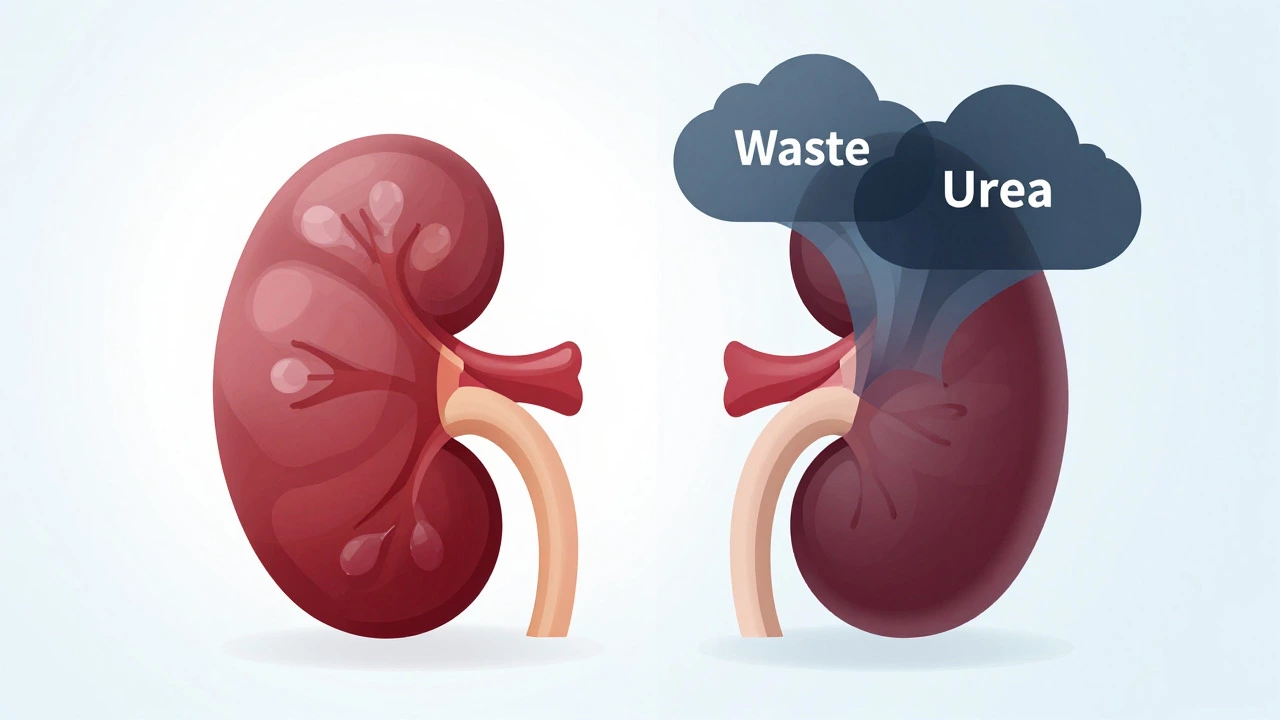
One of the oldest fears surrounding high-protein diets is that they will destroy your kidneys. You’ve likely heard someone say, "Too much protein will kill your kidneys." Is this true? For healthy individuals with normal kidney function, the evidence says no. Numerous studies have shown that high protein intake does not cause kidney damage in people without pre-existing conditions.
However, the story changes completely if you already have chronic kidney disease (CKD). When your kidneys are damaged, they struggle to filter waste products from your blood. Protein metabolism creates urea, a waste product that must be filtered out. If you overload your system with protein while your kidneys are already compromised, you put extra strain on them, potentially accelerating the decline of kidney function.
If you have a family history of kidney disease or have been diagnosed with hypertension or diabetes (both risk factors for CKD), you should talk to your doctor before loading up on protein shakes. For everyone else, staying hydrated is key. Drinking plenty of water helps your kidneys flush out the nitrogenous waste produced by protein metabolism.
Hidden Sugars and Unhealthy Additives
Not all protein powders are created equal. In fact, some popular brands are more like dessert drinks than health supplements. Many flavored protein powders are loaded with added sugars, artificial colors, and preservatives to make them taste better. If you’re buying a chocolate or vanilla flavor, check the nutrition label carefully. Some scoops can contain as much sugar as a candy bar.
Why does this matter? If you’re using protein powder to lose weight or improve metabolic health, consuming hidden sugars can sabotage your efforts. High sugar intake leads to insulin spikes, fat storage, and increased cravings. Over time, this can contribute to weight gain rather than loss.
Additionally, look out for:
Ingredient
Potential Issue
Better Alternative
Sucralose / Aspartame
May disrupt gut bacteria; controversial long-term effects
Stevia, Monk Fruit, or Unsweetened versions
Maltodextrin
High glycemic index; causes blood sugar spikes
Minimal processing; whole food thickeners like chia seeds
Artificial Colors (Red 40, Blue 1)
Linked to hyperactivity in children; unnecessary additives
Natural colorings or unflavored powder
Heavy Metals (Lead, Cadmium)
Contaminants found in some plant-based powders due to soil absorption
Third-party tested brands (NSF Certified, Informed Choice)
A few years ago, a study by Clean Label Project found trace amounts of heavy metals like lead and arsenic in several popular protein powders, particularly those made from plants. While the levels were below immediate toxicity thresholds, long-term exposure is a concern. This highlights the importance of choosing brands that undergo rigorous third-party testing.
Weight Gain: The Unexpected Consequence
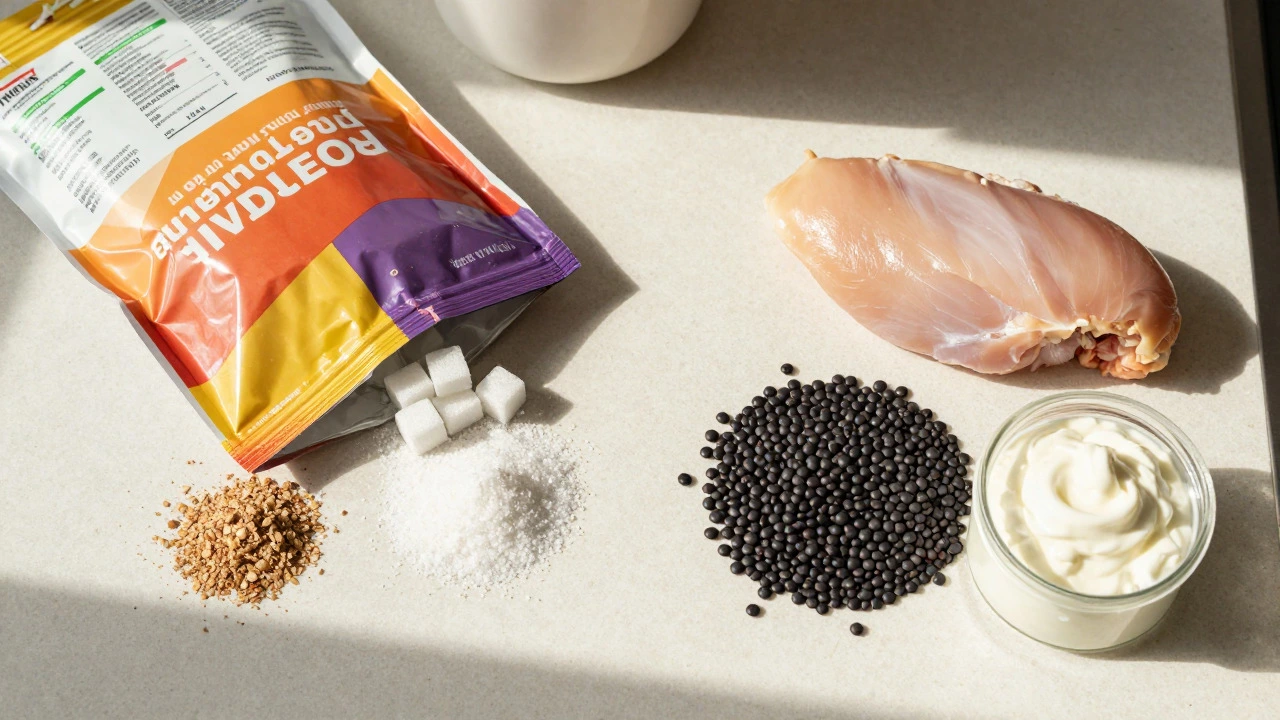
It sounds counterintuitive, but protein powder can lead to weight gain. Protein itself doesn’t make you fat, but calories do. A single scoop of protein powder can contain anywhere from 100 to 150 calories. If you add milk, peanut butter, banana, or oats to your shake, that number quickly jumps to 400 or 500 calories.
If you’re treating your protein shake as an *addition* to your diet rather than a *replacement* for a meal or snack, you’re likely creating a calorie surplus. Over time, this surplus turns into body fat. This is especially common among people who drink a large, creamy smoothie after lunch and then eat a full dinner later. They haven’t accounted for the liquid calories, leading to unintentional weight gain.
To avoid this, treat your protein shake as part of your total daily caloric budget. Use it to replace a less nutritious snack or to help you feel fuller during a calorie deficit, not as a free pass to eat more.
Who Should Avoid Protein Powder Entirely?
While most people can safely consume protein powder, certain groups need to be more cautious or avoid it altogether:
- People with Liver Disease: Similar to kidney issues, a compromised liver may struggle to process the ammonia produced during protein breakdown. Consult a hepatologist before supplementing.
- Individuals with Milk Allergies: Unlike lactose intolerance, a milk allergy involves an immune response to milk proteins. Even whey isolate can trigger reactions in severe cases. Stick to vegan options like hemp or rice protein.
- Pregnant Women: While protein is essential during pregnancy, supplements are not strictly necessary and may contain contaminants. Whole foods are always the safer bet unless prescribed by a midwife or doctor.
- Children and Teenagers: Growing bodies have different nutritional needs. Unless recommended by a pediatrician for specific medical reasons, kids should get their protein from whole foods like eggs, meat, beans, and dairy.
How to Use Protein Powder Safely
So, is there any downside to protein powder? Yes, but they are manageable. You don’t need to throw away your shaker bottle. Instead, follow these guidelines to minimize risks and maximize benefits:
- Start Slow: If you’re new to protein powder, start with half a scoop to see how your stomach reacts. Gradually increase to a full serving over a week.
- Read the Label: Look for products with minimal ingredients. Ideally, the only thing listed should be the protein source. Avoid long lists of unpronounceable chemicals.
- Hydrate Aggressively: Drink at least 2-3 liters of water a day when consuming high amounts of protein. This supports kidney function and digestion.
- Prioritize Whole Foods: Protein powder is a *supplement*, not a substitute. Aim to get the majority of your protein from chicken, fish, tofu, lentils, and Greek yogurt. Use powder only when convenience is key.
- Choose Third-Party Tested Brands: Look for seals from organizations like NSF International or Informed Sport. These ensure the product is free from banned substances and heavy metal contaminants.
Ultimately, the downside of protein powder depends largely on how you use it. Used wisely, it’s a convenient tool for meeting your nutritional goals. Used carelessly, it can lead to digestive distress, unwanted weight gain, or exposure to unhealthy additives. Listen to your body, read the labels, and don’t be afraid to skip the powder if whole foods work better for you.
Can protein powder damage your liver?
For healthy individuals, moderate protein intake does not damage the liver. However, people with existing liver disease (such as cirrhosis) may struggle to process the ammonia produced by protein metabolism. In these cases, high protein loads can worsen liver function. Always consult a doctor if you have a known liver condition.
Is whey protein bad for acne?
There is some evidence suggesting a link between whey protein and acne breakouts. Whey can increase insulin-like growth factor 1 (IGF-1), which may stimulate oil production in the skin. If you notice worsening acne after starting whey, try switching to a plant-based protein like pea or hemp to see if your skin clears up.
How much protein powder is too much?
Most adults need between 0.8 to 1.6 grams of protein per kilogram of body weight per day, depending on activity level. Getting more than 2-3 scoops of protein powder daily is rarely necessary and can lead to digestive issues. It’s best to get the bulk of your protein from whole foods and use powder only to fill gaps.
Are plant-based protein powders healthier than whey?
Plant-based powders are often easier to digest for those with lactose intolerance and avoid dairy-related acne triggers. However, they can sometimes contain higher levels of heavy metals due to soil absorption. Whey is more complete in amino acid profile but requires a healthy digestive system. Choose based on your personal tolerance and health goals.
Does protein powder expire?
Yes, protein powder expires. An unopened container typically lasts 1-2 years past the printed date. Once opened, it should be consumed within 3-6 months. Store it in a cool, dry place away from moisture. If the powder clumps, smells rancid, or changes color, throw it away to avoid foodborne illness.