Pilates vs Yoga: Which One Is Better for Your Body in 2026?
Pilates vs Yoga Goal Matcher
Pick the option that best matches each question. Your answers are scored in real time.
Answer at least three questions above to see your personalized recommendation.
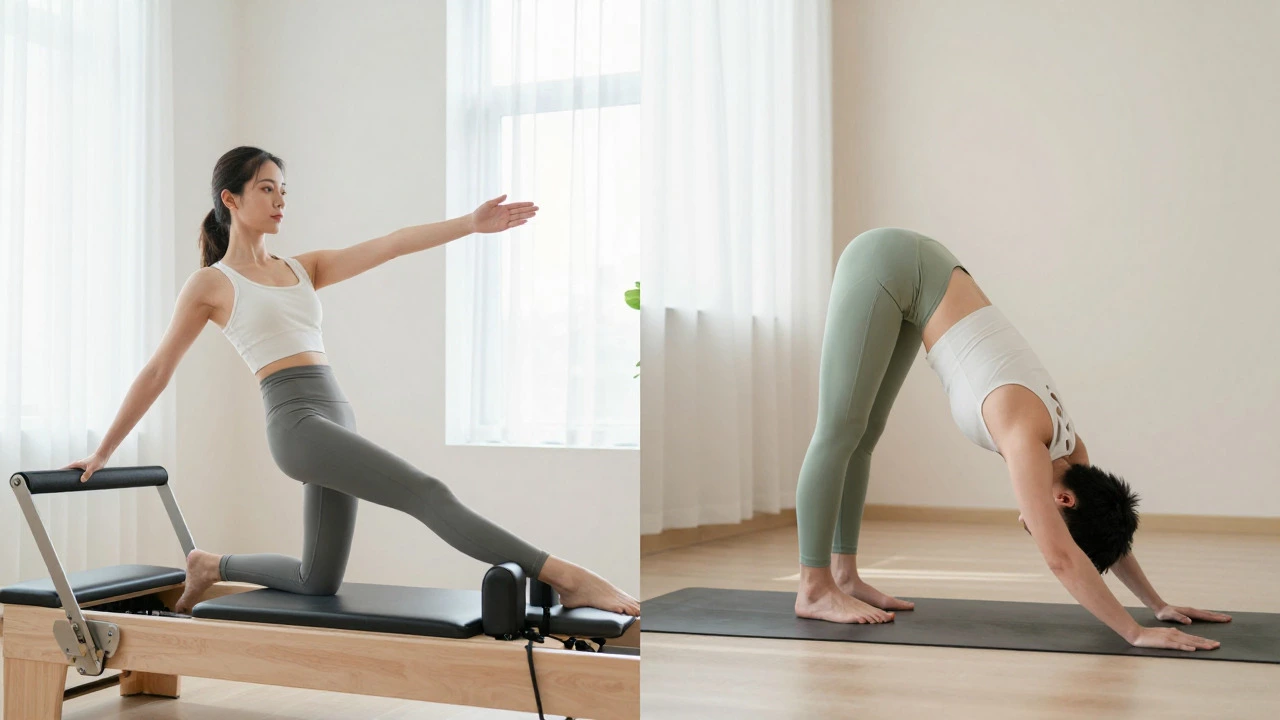
You’re standing in front of your schedule, torn between two classes that promise to make you feel stronger, more flexible, and less stressed. On one side is Pilates, a low-impact method focused on precise movement and core control. On the other is Yoga, an ancient practice blending physical postures with breathwork and mindfulness. Both are popular, both work, but they hit different targets. The real question isn’t which one is “better” in a vacuum-it’s which one fits your specific body goals, injury history, and lifestyle right now.
Quick Summary / Key Takeaways
- Pilates excels at building deep core stability, improving posture, and rehabilitating injuries through controlled, repetitive movements.
- Yoga offers superior gains in overall flexibility, joint mobility, and mental stress reduction through sustained stretches and meditative focus.
- If your priority is athletic performance or fixing back pain, Pilates often provides faster, more targeted results.
- If your goal is general wellness, sleep quality, or emotional balance, Yoga tends to deliver broader holistic benefits.
- The best approach for most people is not choosing one over the other, but strategically combining them based on weekly energy levels.
Understanding the Core Mechanics
To decide which practice serves you better, you have to understand how each one moves your body. Pilates was developed by Joseph Pilates in the early 20th century as a rehabilitation system for wounded soldiers. It relies on the concept of "centering," where every movement originates from the powerhouse (your abs, lower back, hips, and glutes). The movements are small, precise, and often performed against resistance using springs or bands. This constant engagement means your muscles are working even when you aren’t moving. For example, a simple leg circle in Pilates requires you to keep your pelvis completely still while your legs move, forcing your stabilizers to fire continuously.
In contrast, Yoga has roots stretching back thousands of years in India. While there are many styles like Hatha, Vinyasa, and Ashtanga, the common thread is the use of static or flowing postures called asanas. Unlike Pilates, which isolates specific muscle groups to build endurance, Yoga focuses on lengthening the entire chain of muscles and connective tissues. A forward fold, for instance, doesn’t just stretch your hamstrings; it decompresses the spine and calms the nervous system. The pace is generally slower, allowing you to hold positions for longer durations, which builds passive flexibility rather than active strength.
Comparing Physical Outcomes
Let’s look at what actually happens to your body after six months of consistent practice in either discipline. Research consistently shows that Pilates practitioners see significant improvements in lumbar stability and trunk strength. If you sit at a desk all day, your hip flexors tighten and your glutes weaken. Pilates directly addresses this imbalance by activating those dormant glutes while stretching the tight hips. It’s highly effective for correcting posture because it teaches you how to align your head, shoulders, and pelvis without thinking about it.
Yoga, however, shines in range of motion. Studies indicate that regular yogis gain more degrees of freedom in their shoulder joints and ankles compared to non-practitioners. This is crucial if you play sports like tennis or golf, where limited rotation can lead to injury. Additionally, Yoga’s emphasis on breath control (pranayama) has been linked to lower cortisol levels. If your main complaint is feeling tense or anxious, the meditative aspect of Yoga does something Pilates rarely touches: it regulates your autonomic nervous system.
| Feature | Pilates | Yoga |
|---|---|---|
| Primary Focus | Core strength & Posture | Flexibility & Mindfulness |
| Movement Style | Controlled, repetitive, isolated | Flowing, sustained, full-body |
| Best For | Rehab, Athletic Performance, Back Pain | Stress Relief, Joint Health, Sleep |
| Equipment | Mat, Reformer, Cadillac | Mat, Blocks, Straps |
| Intensity Level | Moderate to High (Muscular) | Low to Moderate (Connective Tissue) |
Choosing Based on Your Specific Goals
Your choice should be dictated by what you want to fix or improve. Here is a practical breakdown based on common user scenarios:
- If you have chronic lower back pain: Start with Pilates. The controlled activation of the transverse abdominis (deep core muscle) creates a natural corset around your spine. Many physical therapists prescribe Pilates specifically for this reason. Yoga can help later, but aggressive stretching on an unstable spine can sometimes worsen pain initially.
- If you feel stiff and uncoordinated: Choose Yoga. The variety of poses challenges your proprioception (awareness of body position) in ways that linear Pilates movements do not. You’ll notice a difference in how easily you can reach behind your back or tie your shoes.
- If you are an athlete looking for power: Pilates is your edge. The rotational control taught in exercises like the roll-up translates directly to throwing, swinging, or sprinting mechanics. It builds the kind of functional strength that helps prevent muscle tears during high-speed activities.
- If you struggle with anxiety or insomnia: Yoga is the clear winner. The combination of slow breathing and holding poses activates the parasympathetic nervous system, signaling your body to rest and digest. While Pilates is relaxing, it doesn’t have the same direct link to sleep hygiene.
Common Mistakes to Avoid
One major pitfall is treating these practices as mutually exclusive. Many people think they must pick a "side" and stick to it forever. This is a false dichotomy. In fact, the most resilient bodies come from cross-training. Think of it like nutrition: you don’t eat only protein or only carbs; you balance both. Similarly, a week might look like three days of Pilates to build structural integrity and two days of Yoga to release tension and maintain range of motion.
Another mistake is ignoring form. In Pilates, ego lifting (doing too many reps with poor alignment) defeats the purpose. If your ribs flare out during a crunch, you’re losing core engagement. In Yoga, rushing through transitions leads to joint strain. If you’re bouncing in a squat pose, you’re compressing your knees instead of opening your hips. Both disciplines require patience and attention to detail more than raw effort.
How to Get Started in 2026
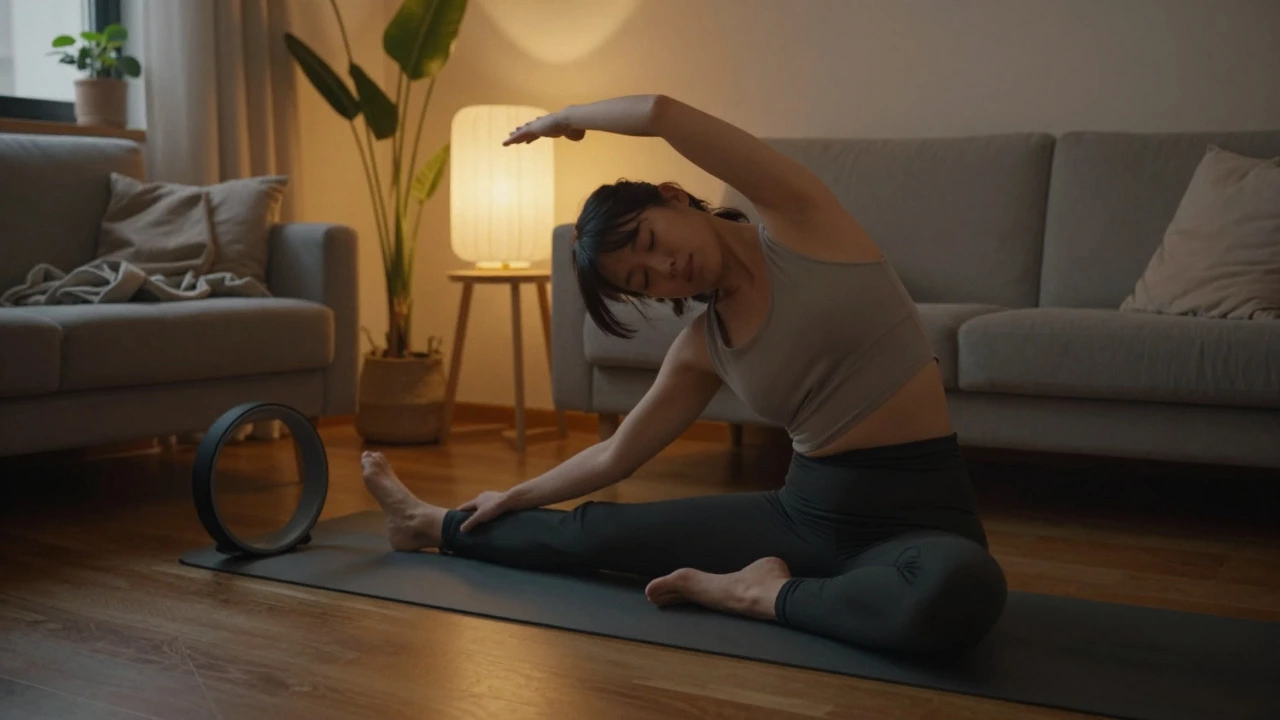
With the rise of digital fitness, accessing both is easier than ever. However, starting correctly matters. For Pilates, consider investing in a basic mat first. If you find yourself wanting more resistance within a month, look into a reformer rental or a local studio membership. For Yoga, start with a beginner-friendly style like Hatha or Iyengar, which emphasize alignment over speed. Avoid hot yoga until you’ve mastered the basics, as the heat can mask poor form and increase dehydration risk.
Listen to your body’s feedback. After a session, ask yourself: Do I feel stable? Or do I feel loose? If you feel stable but tight, add Yoga. If you feel loose but weak, add Pilates. This self-assessment loop ensures you’re always addressing the current bottleneck in your fitness journey.
Frequently Asked Questions
Is Pilates better for weight loss than Yoga?
Generally, yes, but slightly. Pilates burns more calories per minute due to the continuous muscular engagement and potential use of spring resistance. However, neither is a high-intensity cardio workout like running. For significant weight loss, combine either practice with cardiovascular exercise and a calorie deficit diet. Pilates helps shape the body, while Yoga helps manage the stress-eating cycle.
Can I do Pilates and Yoga on the same day?
Yes, provided you space them out. Doing Pilates in the morning to wake up your core and Yoga in the evening to cool down is a popular routine. Just ensure you hydrate well. If you are a beginner, limit yourself to one intense session per day to avoid overtraining your stabilizer muscles.
Which one is safer for older adults?
Both are safe, but modified versions are key. Chair Yoga is excellent for those with balance issues, while Mat Pilates can be done with props for support. The key is avoiding extreme ranges of motion. Older adults often benefit more from the gentle strengthening of Pilates to prevent falls, combined with the joint lubrication from gentle Yoga stretches.
Do I need special equipment to start?
No. Both Pilates and Yoga can be started with just a floor mat. Pilates uses specialized equipment like the Reformer for advanced resistance, but the fundamental principles are learned on the mat. Yoga uses props like blocks and straps to assist in poses, but beginners can often perform the basic sequences without them.
How long before I see results?
You will likely feel improved flexibility or relaxation within two weeks of consistent practice. Noticeable changes in posture or core strength typically take eight to twelve weeks. Consistency is far more important than intensity; doing 20 minutes daily yields better long-term results than one hour once a week.