Best Fitness Tracker: Find the Right One for Your Body and Goals
When you're looking for the best fitness tracker, a wearable or app-based tool that monitors movement, sleep, and activity to support health goals. Also known as an activity tracker, it’s not about how many steps you clock—it’s about finding something that fits your life, not the other way around. For curvy women, many trackers fail before they even start. They assume you want to lose weight fast, push unrealistic goals, or hide behind subscription fees. The truth? The best fitness tracker doesn’t judge your size, your pace, or your starting point. It just quietly helps you show up.
What you really need is something that tracks free fitness tracker, a no-cost tool that gives accurate step counts, sleep data, and movement insights without locking features behind paywalls. No subscription fitness tracker isn’t a myth—it’s out there. Google Fit, Apple Health, and Samsung Health all work without a credit card. They don’t care if you walk 3,000 steps or 10,000. They just notice when you move more than yesterday. And that’s the point. Progress isn’t a number—it’s a habit. A tracker that makes you feel guilty for missing a goal? That’s not helpful. A tracker that reminds you to stand up after sitting too long? That’s the one.
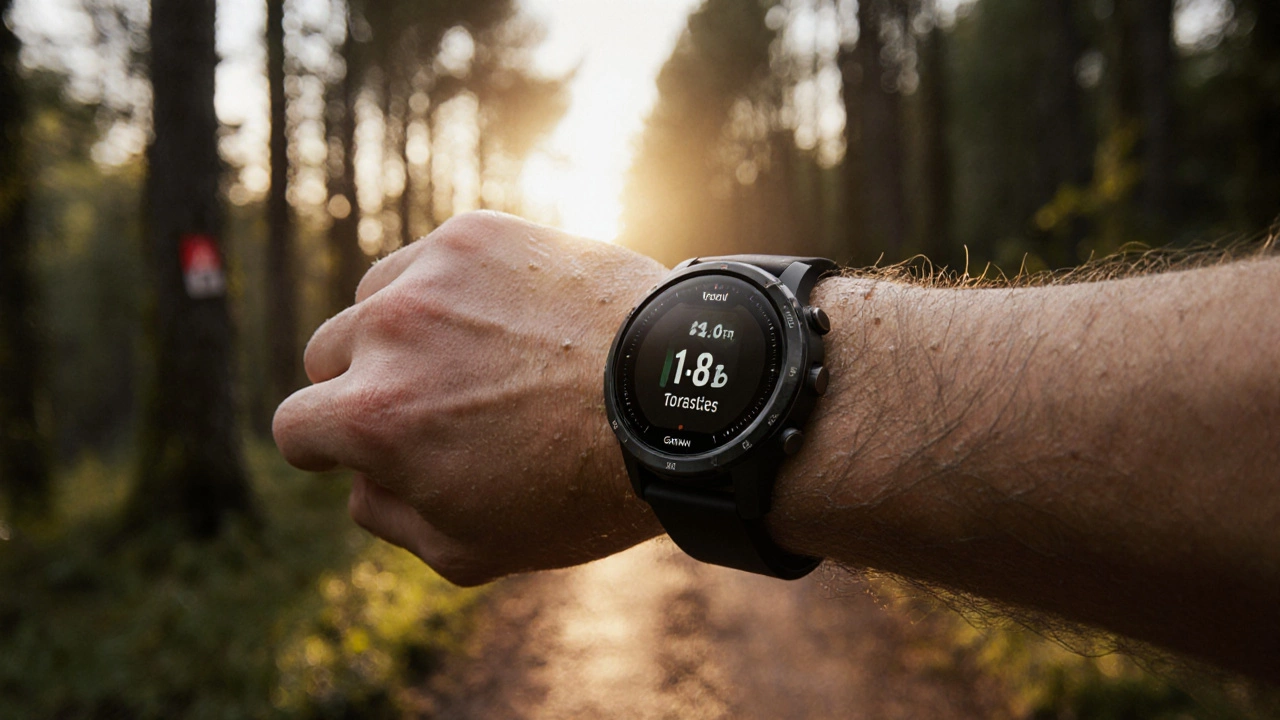
Then there’s the wearable tracker, a device worn on the wrist or clipped to clothing that automatically logs activity throughout the day. Fitness wearable sounds fancy, but most are overpriced and under-delivering. Fitbit used to be the go-to, but since Google bought it, updates stalled and support faded. Apple Watch is great—if you already own an iPhone. Garmin? Solid, but built for athletes, not everyday movement. For most curvy women, the best wearable is the one you’ll actually wear. That might mean skipping the smartwatch entirely and using your phone’s built-in tracker. Or it might mean a simple band that glows when you hit your step goal. The tech doesn’t matter. The consistency does.
You’ll find posts here that cut through the noise. We’ve tested what works for real bodies—not stock photos of people doing yoga on cliffs. You’ll see why walking is the most reliable way to lose belly fat, how strength training changes your body over time, and why two rest days in a row won’t ruin your progress. We talk about why HIIT might make you gain weight (yes, really), and how yoga’s real magic isn’t in the pose—it’s in the daily practice. All of it ties back to one thing: finding a tracker that supports your journey, not controls it.
There’s no single "best" fitness tracker for everyone. But there is one that’s right for you. And we’ve gathered the honest reviews, the real data, and the simple truths so you don’t waste time on tools that don’t fit. What matters isn’t how much you move—it’s that you keep moving. The right tracker won’t push you. It’ll just be there, quietly cheering you on.