Fitbit Decline: Why So Many Are Switching and What to Try Instead
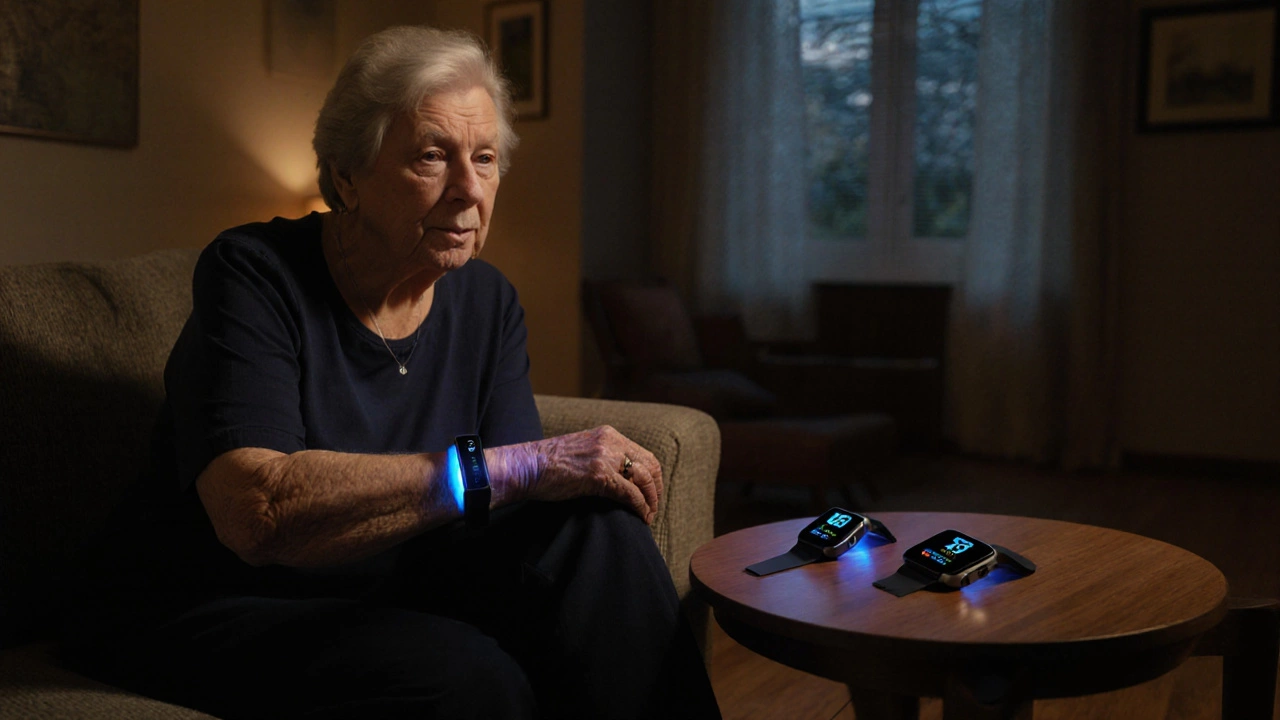
When Fitbit, a once-dominant brand of wearable fitness trackers that helped popularize daily step counting and sleep monitoring. Also known as fitness wearables, it once felt like the only way to track your movement and health. But lately, users are walking away—not because Fitbit stopped working, but because better, simpler, and free options have appeared. The Fitbit decline isn’t about broken devices. It’s about broken promises. Many users bought into the idea that they needed a premium tracker to stay healthy. But what they really needed was clarity, consistency, and no monthly fees.
People are discovering that Google Fit, a free, no-subscription health app that works with most Android phones and even some smartwatches to track steps, heart rate, and sleep, gives them nearly everything they want without the cost. Same with Apple Health, a built-in health dashboard on iPhones that pulls data from AirPods, Apple Watches, and even third-party apps to give a full picture of daily activity. These aren’t flashy gadgets—they’re tools that just work. And they don’t ask you to pay $10 a month just to see your sleep score.
Meanwhile, brands like Garmin, a fitness tracker brand known for long battery life, accurate GPS, and serious sports tracking for runners, cyclists, and hikers, and Samsung Galaxy Watch, a smartwatch that doubles as a health monitor with ECG, stress tracking, and sleep analysis—without locking features behind a paywall, are stealing market share by focusing on real functionality, not marketing hype. You don’t need a Fitbit to know you walked 8,000 steps today. You just need a phone you already carry.
The truth? Your body doesn’t care what brand is on your wrist. It cares if you move. If you sleep. If you recover. And those things can be tracked just as well—often better—with free apps and basic devices. The Fitbit decline is really a rise in awareness: you don’t need a subscription to be healthy. You just need to show up.
What you’ll find below isn’t a list of the best gadgets. It’s a collection of real, practical posts about what actually moves the needle—whether you’re using a $40 tracker, your phone, or nothing at all. From how to lose belly fat with walking to why yoga beats HIIT for stress relief, these articles cut through the noise. They’re for people who want results without paying for them. If you’ve ever felt guilty for not hitting your Fitbit goal, or wondered if there’s a better way—you’re in the right place.