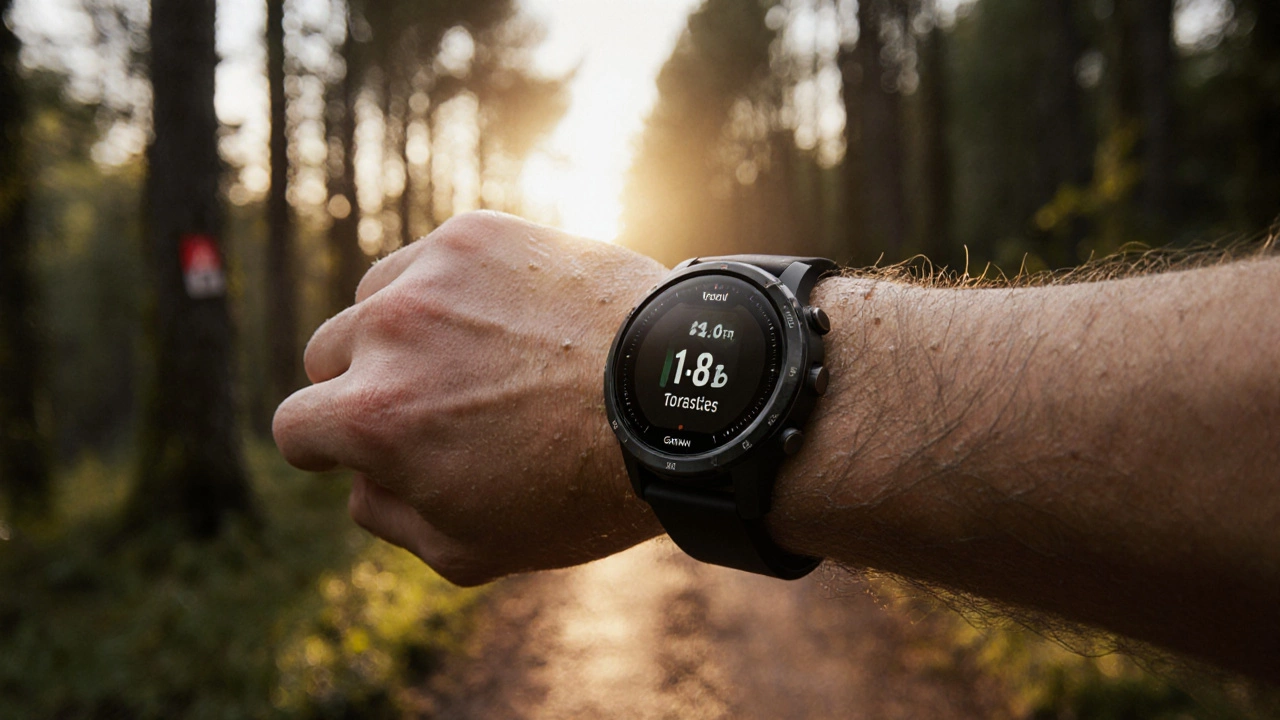
Garmin Fitness Trackers: What They Do, How They Help, and What to Expect
When you pick up a Garmin, a GPS-enabled fitness tracker designed for active people who want real data without constant phone checks. Also known as a sport-focused wearable, it doesn’t just count steps—it tracks your heart rate, sleep quality, and even how hard your body is working during a run or yoga session. Unlike some apps that need you to open your phone every five minutes, Garmin devices work on their own. You can wear one while doing yoga, walking the dog, or lifting weights, and it quietly records everything. That’s why so many people who’ve tried Fitbit or Apple Watch switch to Garmin when they want something that just works—no subscription, no clutter.
Garmin isn’t just for runners. It’s used by people who walk daily, do home workouts, or practice yoga to see how their activity adds up over time. The heart rate monitoring, a feature built into most Garmin models that tracks your pulse without a chest strap helps you stay in the right zone for fat loss or endurance. Then there’s sleep tracking, a tool that shows how long you’re in deep sleep, light sleep, and awake—helping you adjust bedtime habits for better recovery. And unlike some free apps that only count steps, Garmin gives you context: Did you move enough today? Did you sleep less than last night? Did your heart rate spike during your evening stretch? It answers those questions without making you guess.
What you won’t find in Garmin’s data is fluff. No fake badges. No pressure to hit 10,000 steps if you’re recovering from an injury. It just shows you what happened. That’s why people who’ve tried flashy apps and gave up stick with Garmin. It’s not trying to sell you a lifestyle—it’s showing you what your body actually did. And when you’re building consistency in yoga or strength training, that kind of honest feedback matters more than any motivational quote.
You’ll find posts here that compare Garmin to Fitbit, explain why some users ditched smartwatches for simpler trackers, and show how daily movement—even short walks—adds up when you track it. There’s also real talk about which Garmin models work best for beginners, what features you can skip, and how to use the data to make smarter choices about rest, movement, and recovery. Whether you’re just starting out or you’ve been tracking for years, the tools here help you understand what the numbers mean—and what to do next.