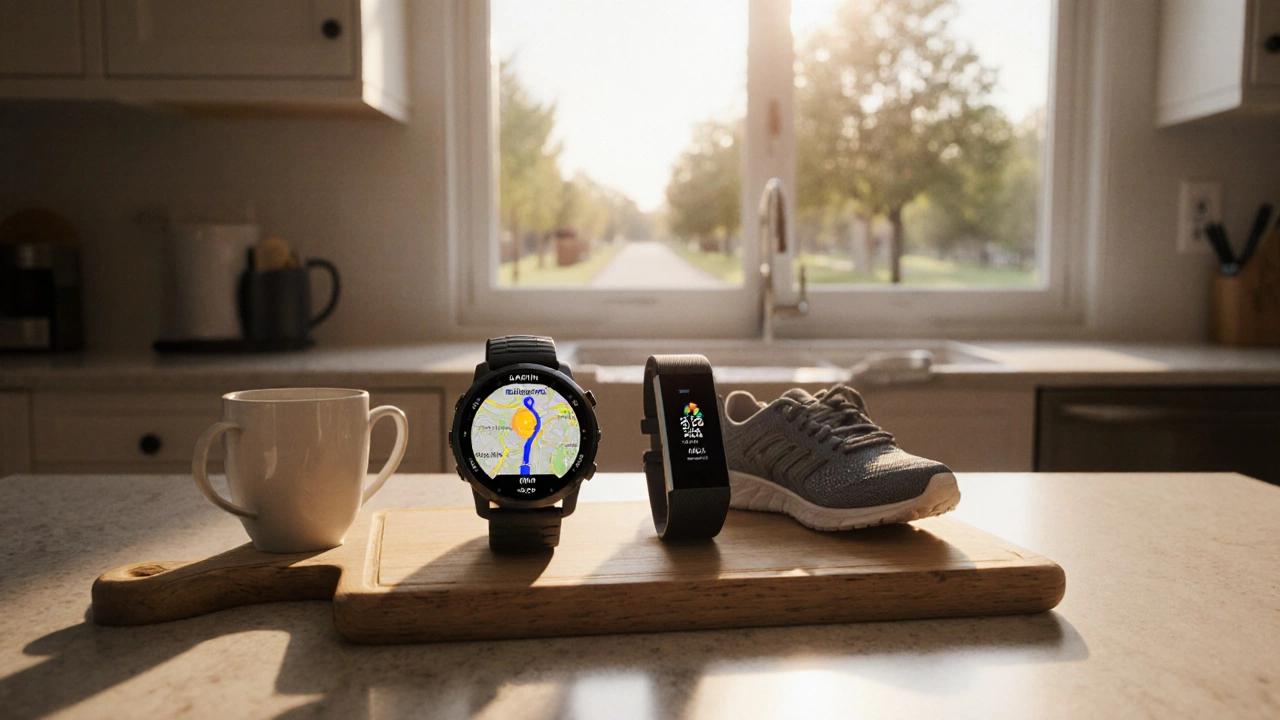
Garmin vs Fitbit: Which Fitness Tracker Wins in 2025?
A detailed 2025 comparison of Garmin and Fitbit trackers, covering design, sensors, GPS, battery, apps, price, and which device fits different fitness needs.
Read MoreWhen you're looking for a fitness tracker that actually fits your body—not just your wrist—you need more than flashy numbers. Garmin, a GPS-focused wearable brand known for rugged accuracy and long battery life. Also known as GPS fitness devices, it's built for people who move outdoors, track hikes, or want data that doesn't lie. Fitbit, a sleep and step-tracking leader that once dominated the market but has lost ground since Google took over. Also known as health wearables, it’s still good for bedtime stats but struggles with real-time movement tracking for curvier bodies. The real question isn’t which one has more features—it’s which one works for you when you’re tired, stressed, or just trying to move without feeling judged.
Most fitness trackers assume you’re thin, active, and have a phone in your pocket. But if you’re a curvy woman who walks instead of runs, does yoga instead of HIIT, or needs a device that doesn’t glitch when your arm rests on your belly, you’ve probably noticed the gaps. Garmin tracks your steps even when you’re walking slowly around the house. Fitbit counts steps too—but it often misses them if you’re not swinging your arms hard enough. Garmin’s GPS works without your phone. Fitbit’s does not. Garmin lasts 7+ days on a charge. Fitbit? Maybe 2. And if you’re tired of paying for premium sleep scores or heart rate insights, you’ll appreciate that Garmin gives you the basics for free—no subscription needed.
Then there’s the bigger picture: free fitness tracker, a tool that tracks movement, sleep, and activity without hidden fees or credit card traps. Also known as no-subscription wearable, it’s not just about saving money—it’s about freedom. Google Fit, Apple Health, and even Samsung Health can replace Fitbit entirely if you just want to move more and sleep better. You don’t need a fancy device to know you’re making progress. You just need consistency. And if you’ve been stuck wondering whether to buy a new tracker or just use your phone, the answer is simpler than you think.
What you’ll find below are real comparisons from women who’ve tried both. Some switched from Fitbit to Garmin because their sleep data was wrong. Others ditched expensive gadgets altogether and started using their phone’s built-in tracker—and saw better results. You’ll see what actually matters: battery life that lasts through a long day, step counts that don’t ignore your slow walks, and features that don’t make you feel like you’re failing because your body doesn’t look like the model in the ad. This isn’t about who wins the tech race. It’s about who helps you show up for yourself—every day, no matter your size, speed, or schedule.
A detailed 2025 comparison of Garmin and Fitbit trackers, covering design, sensors, GPS, battery, apps, price, and which device fits different fitness needs.
Read More