Health Tracker: Best Free Tools and How to Use Them for Real Results
When you’re trying to build a habit—whether it’s yoga, walking, or strength training—a health tracker, a device or app that monitors your physical activity, sleep, and sometimes heart rate to help you stay accountable. Also known as activity tracker, it’s not about perfection—it’s about showing up. If you don’t measure it, you won’t believe it. And if you don’t believe it, you won’t stick with it.
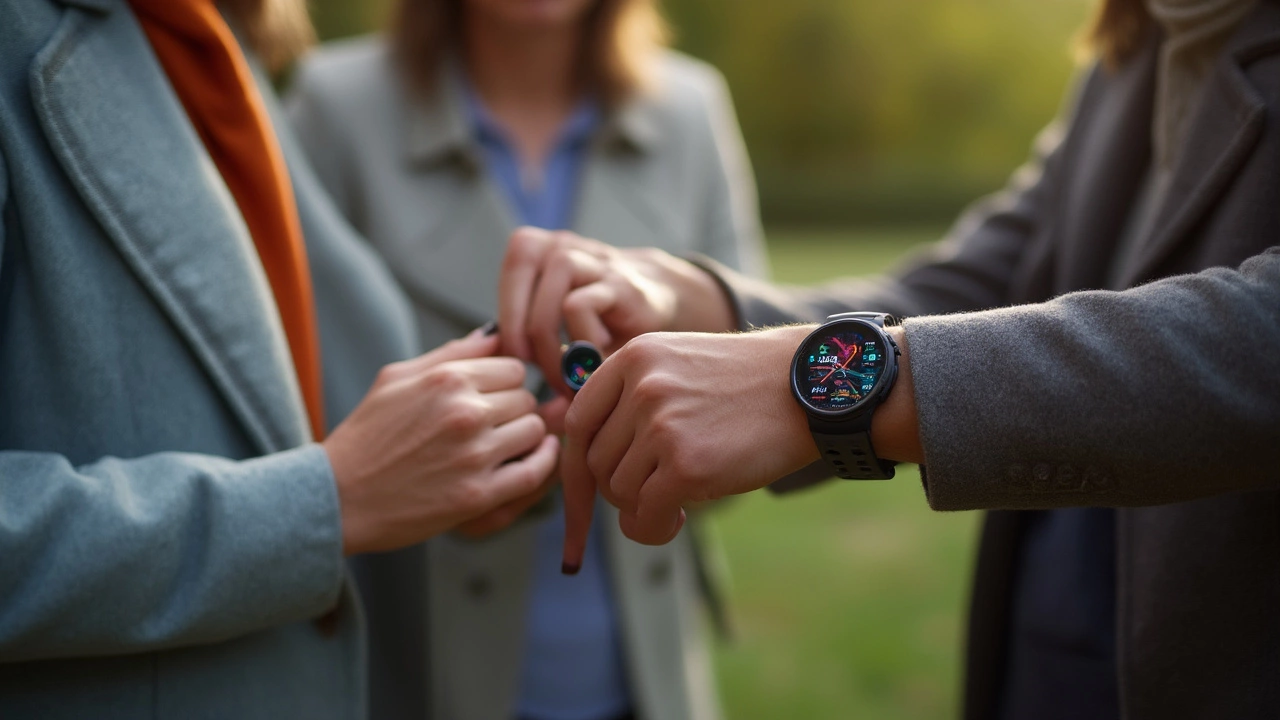
Most people think they need a fancy smartwatch to track progress, but that’s not true. The best free fitness tracker, a no-cost app or tool that records steps, sleep, and movement without subscriptions. Also known as free workout tracker, it’s often built into your phone—Google Fit, Apple Health, or Samsung Health. These apps track your daily steps, nighttime sleep patterns, and even how long you move without sitting. You don’t need to spend money to know if you’re moving more than yesterday. And that’s the real win. A wearable fitness device, a physical gadget worn on the body to monitor health metrics like heart rate, steps, or calories burned. Also known as fitness tracker, it can be helpful, but it’s not required. Many women in our community track progress using nothing but their phone and a notebook. They write down how they felt after yoga, how many days they moved for 20 minutes, and whether they slept well. That’s real data.
What you track matters more than what you wear. If you’re trying to lose belly fat, tracking sugar intake and sleep quality beats counting every step. If you’re building strength, logging your yoga sessions and how your body feels each day tells you more than a heart rate monitor. The goal isn’t to hit a number—it’s to notice patterns. Did you feel more flexible after seven days of yoga? Did you sleep better when you walked before bed? That’s the insight you won’t get from a flashy app. And that’s why the best health tracker is the one you actually use—no matter how simple.
Some tools push you to overdo it. They scream "You’re 100 steps short!" or "Your sleep score is low!" That stress can undo the calm yoga is meant to bring. That’s why we focus on tools that support—not scare. The free trackers we talk about in these posts don’t demand perfection. They just ask: Did you move? Did you rest? Did you show up? That’s enough. You don’t need to be a data nerd to see progress. You just need to be consistent.
In the posts below, you’ll find real comparisons of the best free fitness trackers in 2025, what actually works for curvy bodies, why Fitbit isn’t the only option, and how to use simple tracking to build habits that last. No gimmicks. No paid subscriptions. Just clear, honest advice from women who’ve been where you are.