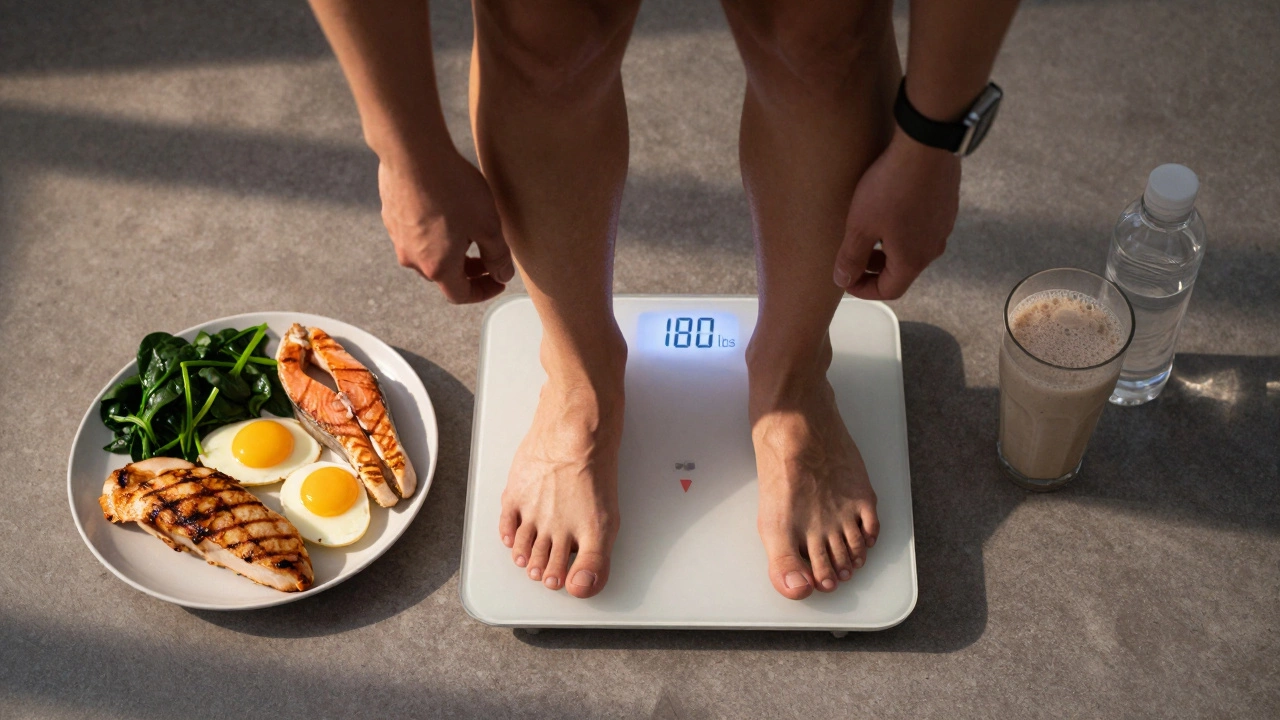
How to Lose 20 Pounds in a Month: Realistic Steps and Risks
Losing 20 pounds in a month is possible but risky. This guide breaks down the science, dangers, and realistic steps to lose fat safely-without wrecking your metabolism or health.
Read MoreWhen you hear the word metabolism, the process your body uses to turn food into energy. Also known as your body’s internal furnace, it’s not some fixed number you’re stuck with—it’s something you can influence every day through movement, rest, and what you eat. Most people think metabolism is about burning calories fast, but it’s really about how efficiently your body uses energy over time. And for curvy bodies, that efficiency isn’t about being thin—it’s about feeling strong, steady, and in control.
Your metabolism, the process your body uses to turn food into energy. Also known as your body’s internal furnace, it’s not some fixed number you’re stuck with—it’s something you can influence every day through movement, rest, and what you eat. Your muscle mass, the amount of lean tissue in your body that burns calories even at rest plays a bigger role than you think. Every pound of muscle you build raises your resting burn by about 6 to 10 calories a day. That doesn’t sound like much, but over a year, it adds up to burning hundreds of extra calories without lifting a finger. That’s why strength training isn’t just about looking toned—it’s about rewiring your metabolism to work for you, not against you. And it’s not just about heavy weights. Even bodyweight moves like squats, lunges, and push-ups build that muscle over time. Then there’s HIIT, high-intensity interval training that spikes your heart rate and keeps your metabolism elevated long after you stop. It doesn’t take hours. Just 10 to 20 minutes of bursts and recovery can give your metabolism a boost that lasts for hours. But here’s the catch: if you’re skipping rest, overdoing cardio, or eating too little, your body slows down to protect itself. That’s not laziness—it’s biology. Your metabolism adapts to what it thinks you need.
What you’ll find in these posts isn’t a quick fix. It’s the real, no-fluff truth about how your body responds to movement, food, and recovery. You’ll see how strength training changes your metabolism over weeks, not days. How walking—even if it’s just 30 minutes a day—keeps your metabolism humming. How sleep and sugar play bigger roles than most people admit. How doing yoga isn’t just about flexibility—it’s about calming your nervous system so your body doesn’t stay stuck in stress mode, which can slow your metabolism down. These posts don’t promise miracles. They show you what actually works when you’re building a life, not a six-pack. And if you’ve ever felt like your body is working against you, these are the tools that help you turn things around—without hating your shape or your schedule.
Losing 20 pounds in a month is possible but risky. This guide breaks down the science, dangers, and realistic steps to lose fat safely-without wrecking your metabolism or health.
Read More
Does lemon water actually burn fat? Bust the myths and learn the science-backed facts about lemon water, metabolism, and weight loss habits here.
Read More