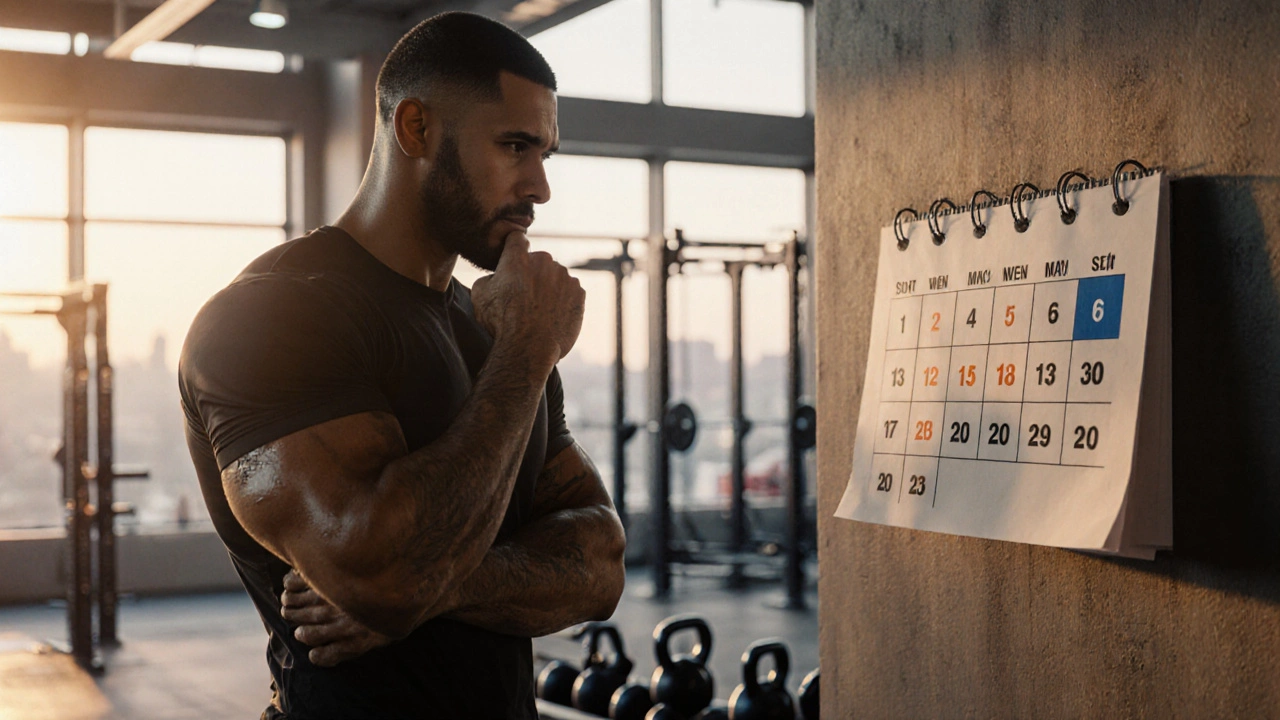
Are Two Consecutive Rest Days Harmful for Strength Training?
Explore whether two consecutive rest days hurt strength gains, learn when they're helpful, and get practical guidelines to plan recovery for optimal muscle growth.
Read MoreWhen you lift, move, or push yourself in a workout, you’re not building muscle during the session—you’re breaking it down. Muscle recovery, the process your body uses to repair and strengthen tissue after physical stress. Also known as post-workout recovery, it’s the quiet, often ignored part of fitness that makes all the difference. If you’re skipping recovery days, ignoring soreness, or thinking more sweat equals better results, you’re working against yourself. Real progress happens when you give your body what it needs to rebuild—better sleep, proper nutrition, and smart movement.
Recovery days, intentional rest periods that allow muscles to repair and grow stronger aren’t lazy days—they’re performance days in disguise. Studies show that muscles need 48 to 72 hours to fully recover after intense strength training. That’s why doing heavy lifts every day doesn’t speed things up—it slows you down. And if you’re feeling constant soreness, burning out, or hitting plateaus, it’s not your routine that’s broken—it’s your recovery. Muscle soreness, the ache you feel after a tough session is normal, but it’s not a trophy. Pushing through it every time leads to injury, not gains. The goal isn’t to feel wrecked—it’s to feel stronger next time.
What actually helps? Moving gently—like walking or yoga—boosts blood flow without adding strain. Hydrating well, eating enough protein, and sleeping 7+ hours aren’t optional extras—they’re the foundation. You don’t need fancy foam rollers or ice baths. Just consistency. Skip the gimmicks. Focus on what your body tells you. If you’re tired, rest. If you’re stiff, stretch. If you’re sore, move slow. Recovery isn’t about doing more—it’s about doing what matters.
The posts below cover exactly this: how long your muscles really need to heal, why you might be gaining weight instead of losing it (hint: it’s not just calories), what happens when you skip recovery, and how simple habits like walking or yoga can make recovery easier. You’ll find real talk on strength training timelines, why HIIT can backfire without rest, and how to tell the difference between normal soreness and overtraining. No fluff. No fake promises. Just what works for real bodies—curvy, strong, and ready to recover right.
Explore whether two consecutive rest days hurt strength gains, learn when they're helpful, and get practical guidelines to plan recovery for optimal muscle growth.
Read More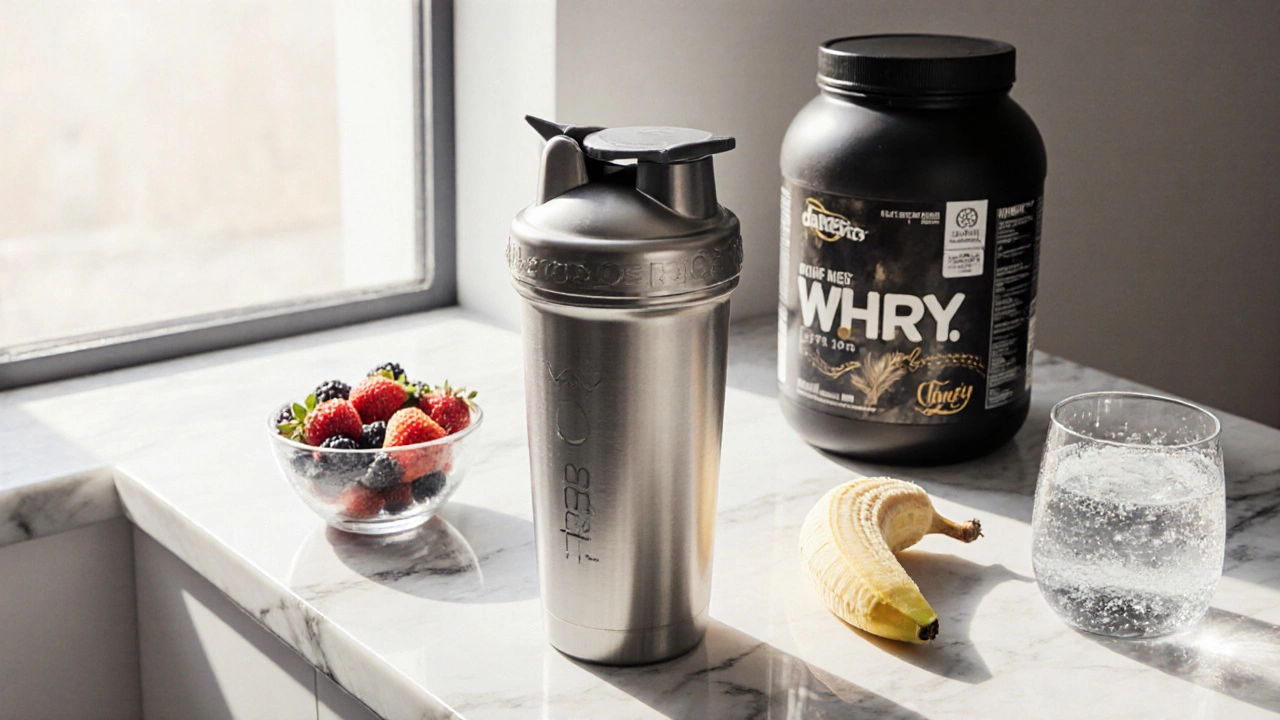
Learn if a daily protein shake fits your diet, explore benefits, risks, best protein types, and practical tips for safe everyday use.
Read More
Curious about which body part to train each day? Explore the most effective workout splits, science-backed scheduling, and common mistakes—all in plain English.
Read More