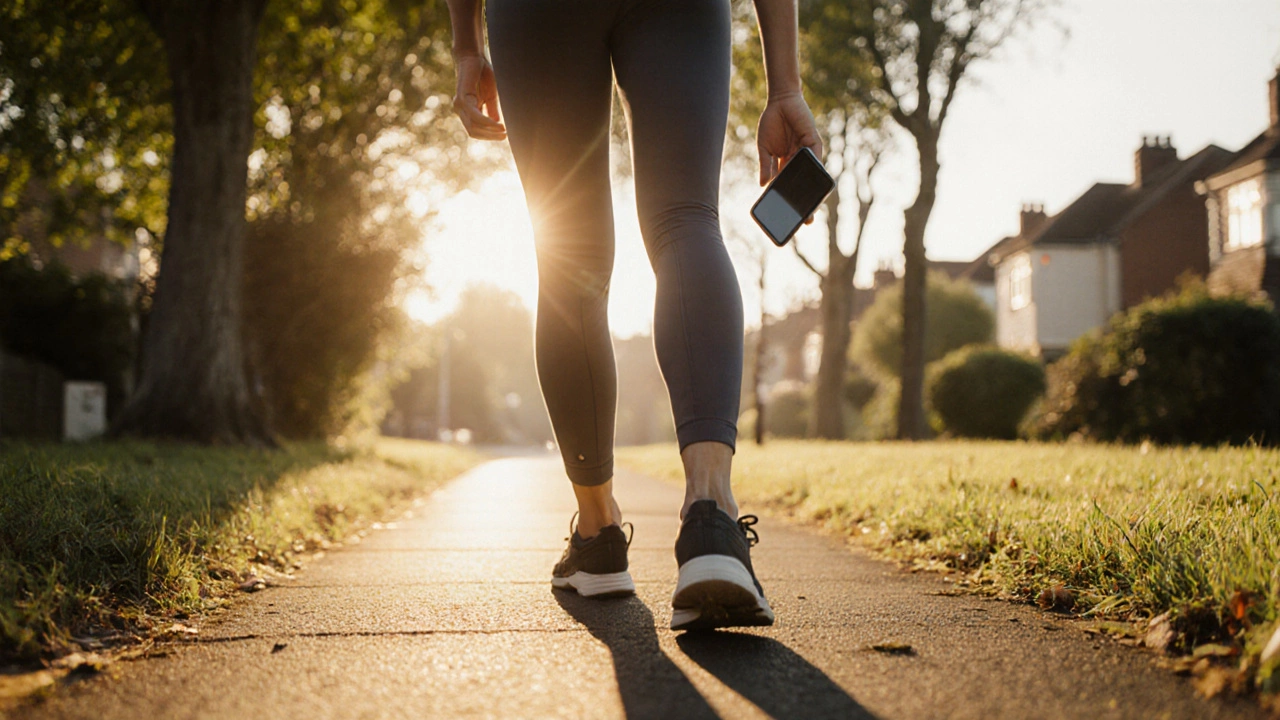
Optimal Daily Steps for Weight Loss - How Many Do You Need?
Learn how many daily steps you need to lose weight, factors that affect calorie burn, and how to set realistic step goals using fitness apps.
Read MoreWhen you think about step count, the total number of steps taken in a day, often tracked by wearable devices or phone apps. Also known as daily steps, it's not about hitting 10,000 just to check a box—it's about moving your body consistently to support energy, mood, and long-term health. Most people think step count is just for fitness fanatics, but it’s actually one of the most accessible tools for anyone, especially those starting yoga or trying to lose belly fat without intense workouts.
Step count relates directly to walking for health, a low-impact, sustainable form of cardio that improves heart function, reduces stress, and helps burn fat over time. Unlike HIIT or heavy lifting, walking doesn’t demand perfect form or special equipment—it just needs time. Studies show that people who walk 7,000 to 8,000 steps a day have lower risks of early death than those who take fewer steps, no matter their weight or age. And here’s the thing: you don’t need to run or sweat to get results. A 30-minute walk after dinner counts. Taking the stairs instead of the elevator counts. Pacing while on the phone counts. These small moves add up, especially when paired with yoga, which helps your body recover and stay flexible.
Fitness tracker, a device or app that monitors physical activity like steps, sleep, and heart rate makes tracking easier, but it’s not the magic part. The real power comes from using that data to notice patterns. Maybe you walk more on days you do yoga. Maybe your step count drops when you’re stressed or tired. That’s valuable feedback. You don’t need the fanciest gadget—Google Fit, Apple Health, or even your phone’s built-in tracker can give you enough insight to adjust your routine. What matters is showing up, not the brand on your wrist.
Step count also connects to daily movement, the sum of all physical activities outside formal exercise, like standing, stretching, or cleaning. Yoga teaches you to tune into your body, and that same awareness helps you move more naturally throughout the day. You start noticing when you’ve been sitting too long. You find yourself standing up to stretch. You take a slow walk instead of scrolling. These aren’t workouts—they’re habits. And habits built on small, doable actions last longer than any 30-day challenge.
Looking at the posts here, you’ll find real talk about what actually works: walking as the best way to lose belly fat, why free fitness trackers beat expensive ones with subscriptions, and how yoga and walking aren’t rivals—they’re teammates. You’ll see that results don’t come from crushing your step goal every single day, but from showing up even when you only hit 3,000 steps. You’ll learn that the magic number isn’t 10,000—it’s the number that keeps you moving without burning out.
There’s no need to chase perfection. Just move a little more today than yesterday. Your body will thank you—not with dramatic changes overnight, but with steady energy, better sleep, and a quieter mind. That’s the real win.
Learn how many daily steps you need to lose weight, factors that affect calorie burn, and how to set realistic step goals using fitness apps.
Read More