Wearable Devices: Best Free Fitness Trackers and Alternatives for Curvy Women
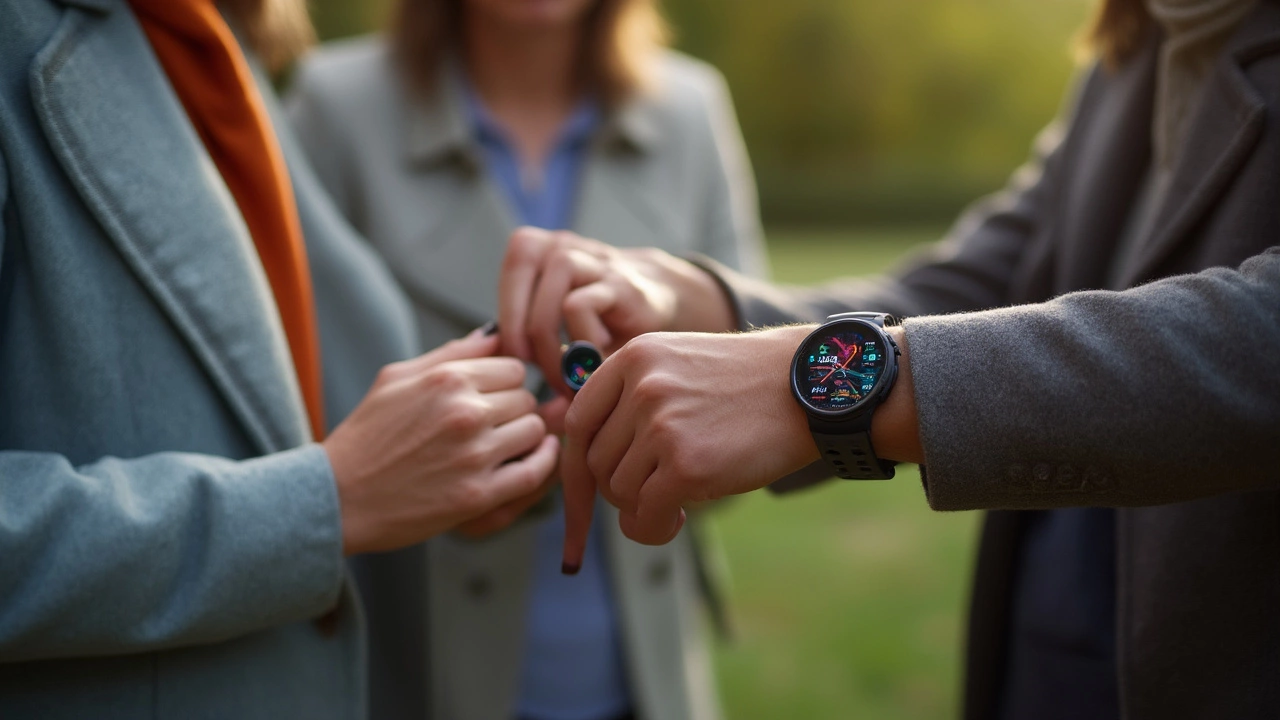
When it comes to wearable devices, technology worn on the body to track physical activity, sleep, and health metrics. Also known as fitness trackers, these tools help you see progress without stepping on a scale—perfect for anyone who wants to focus on how they feel, not just how many pounds they’ve lost. For curvy women, the right wearable doesn’t need to be flashy or expensive. It just needs to be honest, simple, and kind to your body.
Many people think you need a smartwatch to track steps or sleep, but that’s not true. free fitness trackers, apps and devices that monitor activity without monthly fees or credit card requirements. Also known as no subscription fitness tracker, they’re built into phones and work just fine for daily movement. Google Fit, Apple Health, and Samsung Health are all free, accurate, and don’t judge your body size. They don’t care if you walk 3,000 steps or 10,000—they just record what you do. That’s the point: consistency over perfection.
Fitbit used to be the go-to, but things have changed. Fitbit decline, the drop in user growth and sales since Google’s acquisition, making it less competitive against newer options. Also known as Fitbit vs Apple Watch, this shift means you now have better choices. Apple Watch, Garmin, and Samsung Galaxy Watch offer more features, longer battery life, and better accuracy for sleep and heart rate. But here’s the truth: if you’re just starting out, you don’t need any of them. Your phone’s built-in tracker is enough to begin. What matters isn’t the device—it’s showing up every day, even if it’s just a 10-minute walk after dinner.
Wearable devices aren’t magic. They won’t burn belly fat for you. But they can help you notice patterns—like how you move more on days you do yoga, or how your sleep improves when you cut sugar. That’s real insight. And for women who’ve been told their bodies aren’t "fitness ready," that kind of quiet, non-judgmental feedback is powerful. You don’t need to hit a step goal to be worthy. You just need to keep moving, and a good tracker helps you see that you’re already doing it.
Some trackers focus on calories burned, which can be misleading—especially for curvy bodies. Your metabolism isn’t a number on a screen. What’s more useful? Tracking how often you move, how long you sleep, and whether you’re sticking to a routine. That’s why the best wearable for you isn’t the one with the most sensors—it’s the one you actually wear. A simple band that counts steps, or a phone app that reminds you to stand up, can change your relationship with movement more than any high-tech gadget.
Below, you’ll find honest reviews and comparisons of the trackers real women are using—no hype, no upsells. Whether you’re looking for a free option, a Fitbit alternative, or just want to know if your phone is enough, these posts cut through the noise. You’ll learn what works, what doesn’t, and what actually helps you feel stronger, not smaller.