Wearable Fitness Device: What Works, What Doesn’t, and Which One Fits You
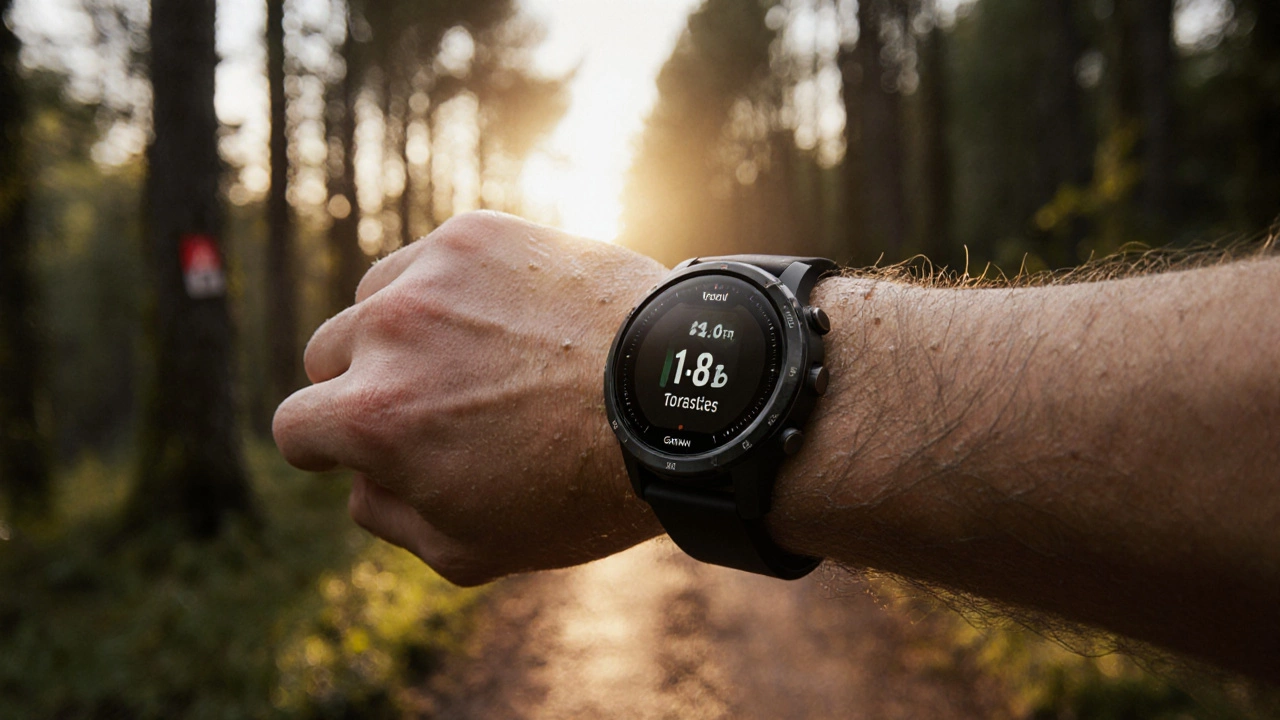
When you think of a wearable fitness device, a gadget worn on the body to track movement, heart rate, sleep, and calories. Also known as fitness tracker, it’s meant to turn vague goals like ‘get healthier’ into something measurable. But here’s the truth: most people buy one, wear it for a week, then forget it’s on their wrist. Why? Because the device isn’t the problem—it’s the noise. Not every tracker gives you useful data, and not every number matters to your body.
Take Fitbit, a popular brand that once led the market in step counting and sleep tracking. Also known as fitness band, it’s still accurate for basic metrics, but sales have dropped as newer options like the Apple Watch, a smartwatch with advanced health sensors and real-time feedback and free apps like Google Fit, a no-cost alternative that tracks steps, activity, and heart rate using your phone take over. You don’t need to spend $300 to know if you’re moving enough. Sometimes, your phone does the job just fine.
What really makes a wearable fitness device useful isn’t the brand or the screen—it’s how you use it. If you’re trying to lose belly fat, your device should show you how many steps you take daily, not just how many calories you burned (those numbers are often wrong). If you’re doing yoga or walking for stress relief, your sleep data matters more than your heart rate zones. The posts below cover exactly this: what free trackers actually work in 2025, why Fitbit’s falling behind, how walking beats fancy HIIT workouts for long-term health, and why consistency with a simple tracker beats chasing perfect metrics.
You’ll find real talk here—not hype. No one’s selling you a miracle. Just honest comparisons: is a $0 tracker better than a $200 one? Can you tone up without ever looking at a screen? Does wearing a device actually make you move more? These aren’t theoretical questions. They’re answered by people who’ve tried it all and still show up on their mat, their walk, or their couch—because progress doesn’t need a glow.