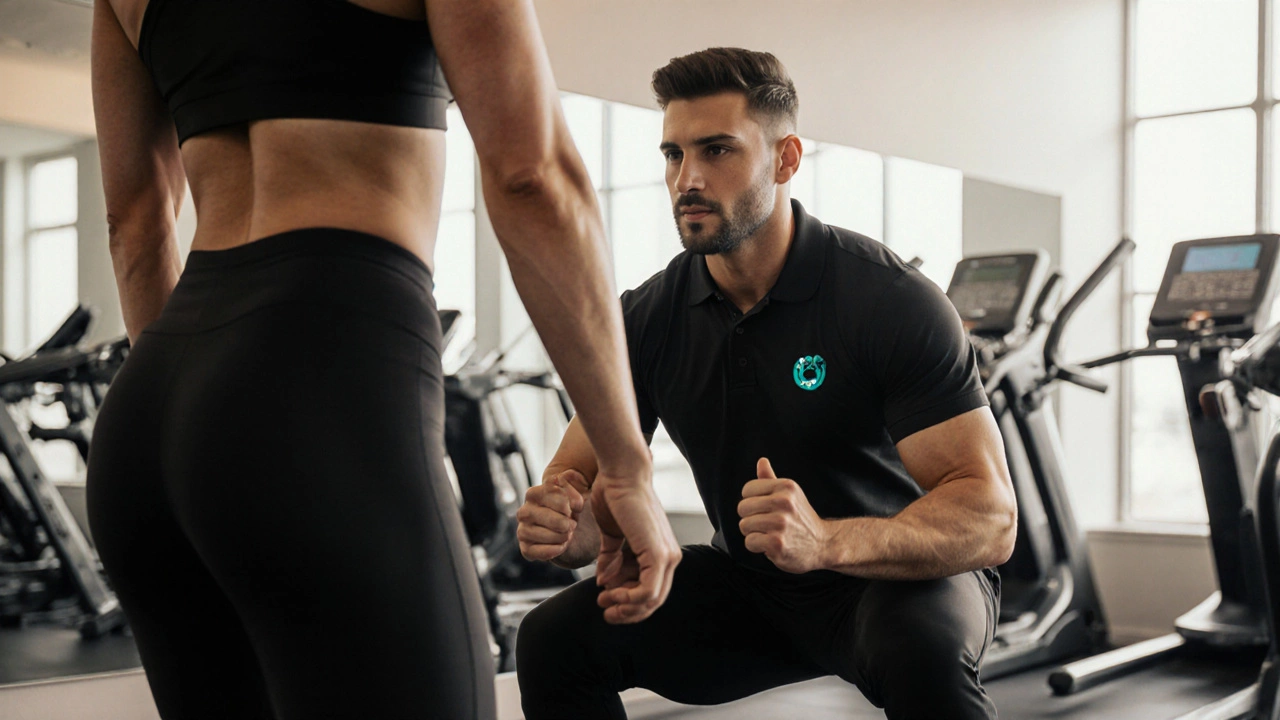
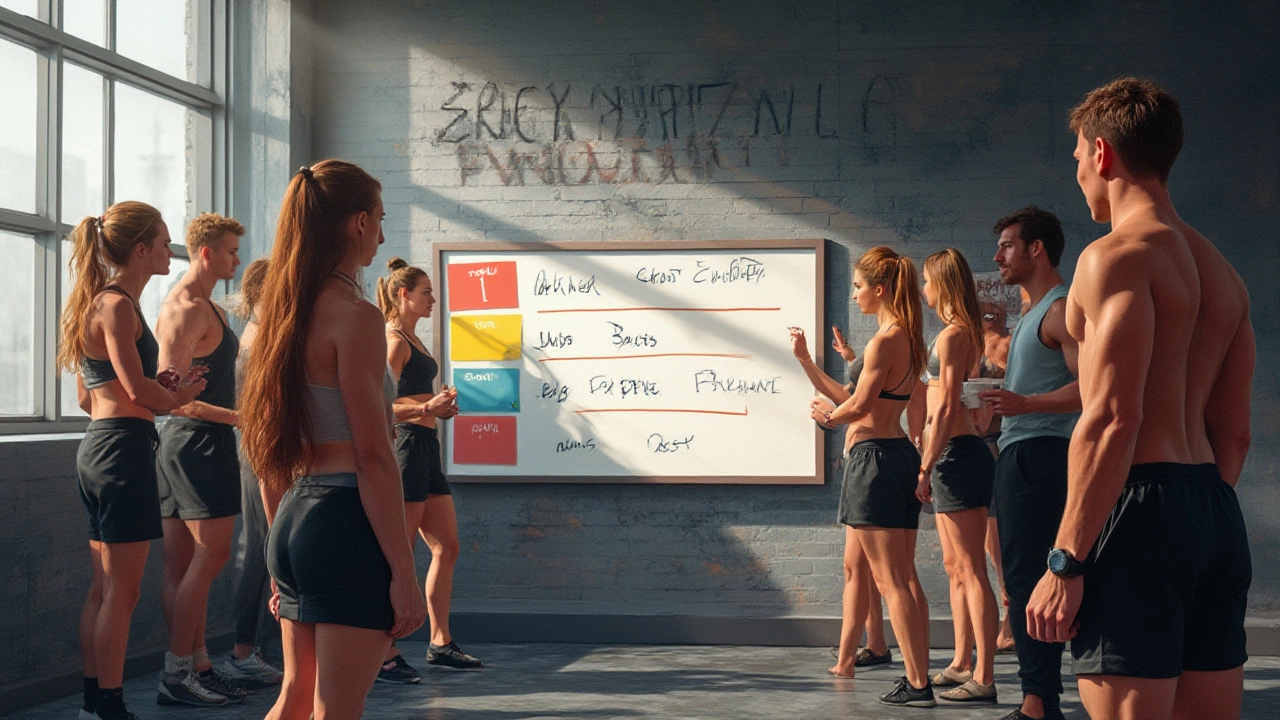
Workout Schedule: Build a Realistic Plan That Actually Works
When you think about a workout schedule, a structured plan that organizes physical activity across days to match your goals and lifestyle. It’s not about doing more—it’s about doing what sticks. Too many people start with a 7-day intense routine, burn out by Wednesday, and quit by Friday. The truth? A good workout schedule fits your life, not the other way around.
A real strength training, exercises that build muscle and bone density using resistance doesn’t need to be daily. Most people see progress with just 2-3 days a week, especially if they’re new. Combine that with HIIT, short bursts of high-intensity movement followed by rest, great for burning fat and boosting metabolism on alternate days, and you’ve got a balanced foundation. And don’t forget yoga, a low-impact practice that improves flexibility, reduces stress, and helps recovery. It’s not just for stretching—it’s your body’s reset button after hard days.
Your schedule should reflect what you can actually keep doing. If you’re tired after work, maybe 20 minutes of yoga and walking on Mondays and Thursdays works better than a 60-minute gym session you skip. If you love movement but hate machines, try bodyweight circuits or outdoor HIIT. Your fitness tracker, a device or app that monitors steps, sleep, heart rate, and activity to help you stay consistent isn’t there to judge you—it’s there to show you patterns. Did you move more on days you did yoga? Did your sleep improve when you cut back on late-night workouts? That’s the data that matters.
There’s no magic formula. Some weeks you’ll crush it. Other weeks, you’ll just show up. That’s okay. Progress isn’t linear. What matters is consistency over intensity. A workout schedule that includes rest days isn’t lazy—it’s smart. Two rest days in a row? Fine. A full week off because you’re burnt out? Also fine. Your body doesn’t grow during the workout—it grows when you recover.
Below, you’ll find real stories from people who built schedules that worked for their bodies—not their Instagram feed. Whether you’re wondering how often to lift, if HIIT beats running, or if yoga can help you lose belly fat, these posts cut through the noise. No fluff. No gimmicks. Just what actually helps women with curvier bodies move better, feel stronger, and stay consistent—for the long haul.