The #1 Exercise for Seniors: Why Walking Wins

Senior Walking Goal Tracker
Monitor your daily walks to ensure you meet the American College of Sports Medicine recommendation of 150 minutes per week. Remember: consistency matters more than volume.
Weekly Goal Status:
Why Walking Wins?
Low Impact
Very Low Impact
Poor Balance
Injury Risk
You might be expecting a complex answer involving resistance bands, yoga mats, or expensive gym memberships. But the truth is far simpler and accessible to almost everyone. The single most beneficial activity for older adults isn't a specific machine at the gym; it's walking, defined as a rhythmic, weight-bearing aerobic activity that engages multiple muscle groups while improving cardiovascular health and balance. It’s free, requires no special equipment beyond good shoes, and carries a remarkably low risk of injury when done correctly.
Why does this humble activity top the list? Because it addresses the three biggest threats to independence in aging: heart disease, loss of mobility, and cognitive decline. While strength training builds muscle and stretching maintains flexibility, walking ties everything together. It gets your blood pumping without stressing your joints like running can. It clears your head by getting you outside. And unlike swimming or cycling, it forces your bones to bear weight, which is critical for preventing osteoporosis fractures.
Why Walking Outperforms Other Activities
Let’s look at the data. A study published in the Journal of the American Geriatrics Society found that regular walkers had a significantly lower risk of all-cause mortality compared to sedentary peers. But it’s not just about living longer; it’s about living better. Walking improves balance, which directly reduces fall risk-the leading cause of injury-related death among people over 65. When you walk, your body constantly makes micro-adjustments to stay upright. This trains your vestibular system and leg muscles in a way that stationary exercises simply cannot replicate.
Compare this to other popular options:
| Activity | Impact on Joints | Bone Density Benefit | Balance Training | Accessibility |
|---|---|---|---|---|
| Walking | Low | High (Weight-bearing) | Excellent | Very High |
| Swimming | Very Low | Low (Non-weight-bearing) | Fair | Moderate (Pool access needed) |
| Cycling | Low | Low | Poor (Static position) | Moderate (Equipment needed) |
| Running | High | High | Good | Low (Injury risk) |
Notice the pattern? Walking hits the sweet spot. It provides enough impact to strengthen bones but not so much that it destroys knees. It challenges balance dynamically. And you can do it anywhere, from a park path to a shopping mall corridor during bad weather.
The Hidden Benefits Beyond Your Heart
We often think of exercise purely in physical terms. But for seniors, mental health is equally vital. Walking, especially outdoors, has been linked to reduced symptoms of depression and anxiety. A study from Stanford University showed that even moderate walking increased creative thinking and helped break cycles of negative rumination. For many older adults who may feel isolated, a daily walk becomes a social ritual. You greet neighbors, watch the world go by, and maintain a sense of connection to your community.
There is also a strong link between walking and brain health. Research suggests that regular aerobic activity increases the size of the hippocampus, the part of the brain involved in verbal memory and learning. This doesn’t mean walking prevents dementia entirely, but it builds a "cognitive reserve" that can delay the onset of symptoms. If you have a family history of Alzheimer’s, lacing up your sneakers is one of the most proactive steps you can take today.
How Much Should You Really Walk?
Forget the mythical 10,000 steps. That number originated from a Japanese pedometer marketing campaign in the 1960s, not rigorous science. For seniors, consistency matters more than volume. The American College of Sports Medicine recommends at least 150 minutes of moderate-intensity activity per week. Broken down, that’s just 30 minutes a day, five days a week.
If you are currently inactive, don’t start with 30 minutes. Start with 5 or 10. Build up gradually. Here is a realistic progression plan:
- Weeks 1-2: Walk for 10 minutes, three times a week. Focus on form-keep your head up, shoulders back, and arms swinging naturally.
- Weeks 3-4: Increase to 15 minutes, four times a week. Try to find flat terrain to build confidence.
- Months 2-3: Aim for 20-25 minutes, five times a week. Introduce slight hills if your knees allow.
- Maintenance: Maintain 30+ minutes daily. Consider adding intervals of faster walking to boost heart rate.
Listen to your body. Some soreness is normal; sharp pain is not. If you experience chest tightness, dizziness, or unusual shortness of breath, stop immediately and consult your doctor.
Common Mistakes That Hinder Progress
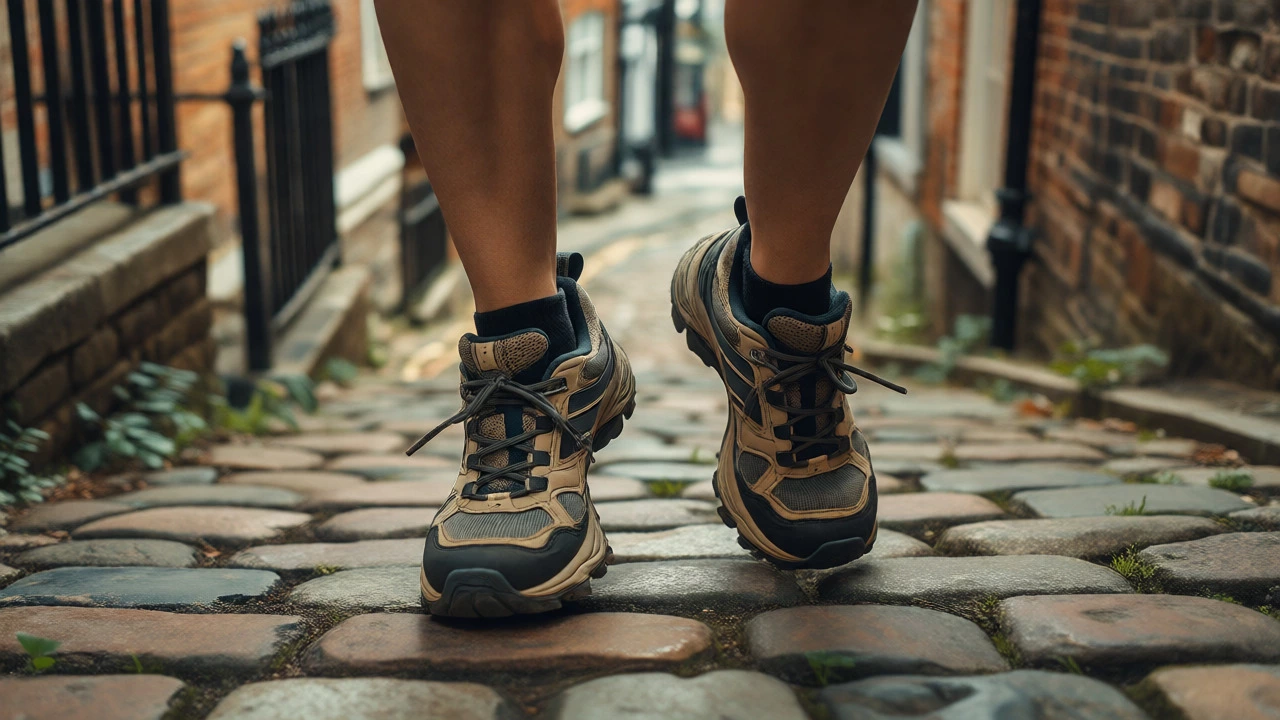
Many seniors sabotage their walking routine before they even start. The biggest error is wearing the wrong shoes. Old, worn-out sneakers lack support and cushioning, leading to foot pain, shin splints, or knee strain. Invest in a pair of walking-specific shoes from a specialty store where staff can analyze your gait. Replace them every 300-500 miles, or roughly once a year if you walk regularly.
Another mistake is ignoring hydration. As we age, our thirst mechanism dulls. You might be dehydrated before you feel thirsty. Carry a small water bottle on your walks, especially in warm weather. Dehydration can mimic fatigue or dizziness, causing you to cut your walk short unnecessarily.
Finally, don’t underestimate the power of posture. Slouching compresses your lungs and limits oxygen intake. Imagine a string pulling the top of your head toward the sky. Keep your core gently engaged. This simple adjustment makes walking easier and protects your spine.

When Walking Isn’t Enough
While walking is the king of senior exercises, it shouldn’t be the only one. Walking primarily targets endurance and lower-body stability. It does little for upper-body strength or deep flexibility. To create a complete fitness profile, pair your walks with two other components:
- Resistance Training: Use light weights, resistance bands, or bodyweight exercises (like sit-to-stands) twice a week. This combats sarcopenia, the natural loss of muscle mass that accelerates after age 60.
- Flexibility Work: Gentle stretching or tai chi helps maintain range of motion. Stiff hips can make walking awkward and increase fall risk.
Think of walking as the foundation of your house. Strength and flexibility are the walls and roof. Without the foundation, the structure collapses; without the rest, the house isn’t livable.
Tips for Making Walking Stick
Motivation is the hardest part of any fitness journey. How do you keep going when the novelty wears off? Try these strategies:
- Socialize: Find a walking buddy. Accountability doubles adherence rates. Join a local walking group or schedule a weekly walk-and-talk with a friend.
- Vary Your Route: Monotony breeds boredom. Explore new neighborhoods, parks, or trails. Novelty stimulates the brain and keeps interest high.
- Use Technology Wisely: Fitness apps can track progress, but don’t obsess over metrics. Use them to celebrate streaks, not to punish missed days.
- Pair with Pleasure: Listen to an engaging audiobook or podcast only while walking. This creates a positive association with the activity.
Remember, the goal isn’t perfection. It’s persistence. A ten-minute walk on a rainy day is infinitely better than zero minutes because you waited for sunshine. Make it a non-negotiable part of your day, like brushing your teeth.
Is walking safe for seniors with arthritis?
Yes, walking is generally recommended for arthritis sufferers because it lubricates joint cartilage and strengthens surrounding muscles without high impact. However, choose supportive shoes and avoid uneven terrain. If pain flares up, reduce duration or switch to softer surfaces like grass or tracks instead of concrete.
Can I replace my gym membership with walking?
For cardiovascular health and general mobility, yes. However, gyms offer specialized equipment for strength training and classes for balance and flexibility. If you drop the gym, ensure you have a home setup for resistance exercises (like dumbbells or bands) to maintain muscle mass.
What is the best time of day for seniors to walk?
The best time is whenever you can consistently do it. Morning walks can help regulate circadian rhythms and improve sleep quality. Afternoon walks may benefit from warmer temperatures and higher energy levels. Choose the time that fits your schedule and feels safest regarding visibility and traffic.
Do I need a doctor's clearance before starting?
If you have chronic conditions like heart disease, diabetes, or severe joint issues, or if you have been sedentary for a long time, consult your physician first. They can advise on appropriate intensity levels and flag any specific movements to avoid.
How fast should I walk?
Aim for a "brisk" pace where you can still talk but not sing. This usually corresponds to 3.0 to 4.0 mph for average fitness levels. If you are recovering from illness, a slower pace is fine. The key is moving continuously rather than stopping frequently.