What Are the 5 Major Principles of Yoga?
Yoga Principles Assessment Tool
Discover your yoga practice balance
This 5-question assessment identifies which principles you're already practicing and where to focus next. Based on the 5 major principles of yoga from the article.
Yoga isn’t just about bending into a pretzel or holding a pose for a full minute. It’s a system built over thousands of years to help you live better - mentally, physically, and spiritually. If you’ve ever walked into a yoga class and felt lost because the teacher kept talking about ‘breath’ or ‘non-attachment,’ you’re not alone. The real foundation of yoga isn’t in the poses. It’s in five core principles that guide every movement, every breath, and every moment of stillness.
1. Proper Breathing (Pranayama)
You don’t just breathe in yoga - you use breath as a tool. Pranayama means ‘extension of life force,’ and it’s the first principle you should master before even attempting a downward dog. Most people breathe shallowly, using only the top of their lungs. In yoga, you learn to breathe deeply into the belly, then the ribs, then the chest. This isn’t just calming - it’s physiological. Studies show that slow, controlled breathing lowers cortisol, reduces heart rate, and improves oxygen delivery to muscles.
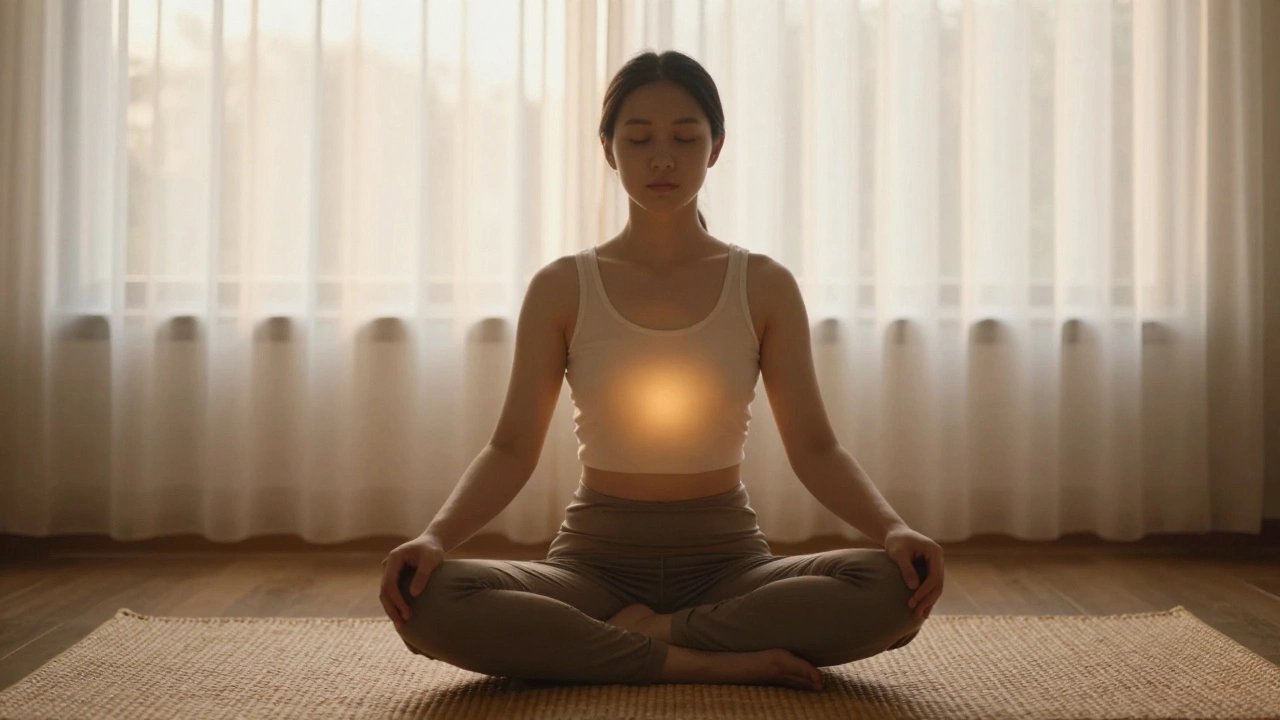
Try this: Sit upright, close your eyes, and inhale for four counts. Hold for four. Exhale for six. Repeat five times. That’s it. You’ve just done your first pranayama. Do this before any yoga session, or even before a stressful meeting. It’s not magic - it’s biology.
2. Proper Exercise (Asana)
When most people think of yoga, they think of asanas - the physical postures. But in yoga, asana isn’t about flexibility or looking good in leggings. It’s about creating strength, stability, and awareness in the body. A good asana isn’t one where your foot touches your head. It’s one where you can hold it without strain, breathe easily, and stay present.
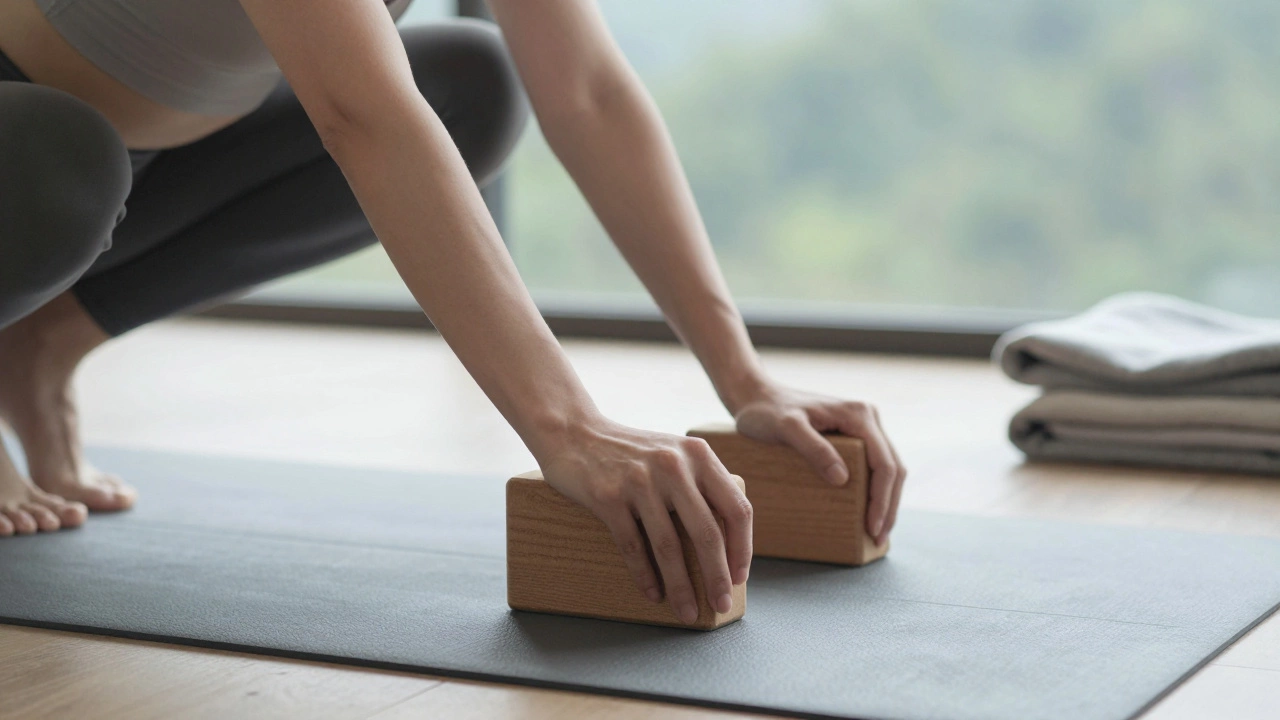
Yoga postures aren’t meant to be extreme. They’re meant to be sustainable. That’s why beginners are often told to use blocks, straps, or folded blankets. These aren’t signs of failure - they’re tools for alignment. The goal isn’t to force your body into a shape. It’s to let your body find its natural, balanced position. Over time, this builds joint health, improves posture, and reduces chronic pain - especially in the lower back and neck.
3. Proper Relaxation (Savasana)
If you think yoga ends when you stand up from your final pose, you’re missing half the practice. Savasana - corpse pose - is often the most important part of a yoga session. It’s the 5-10 minutes you spend lying flat on your back, arms relaxed, eyes closed, letting everything go.
Most people can’t do savasana well. They fidget. They think about their to-do list. They fall asleep. But true relaxation isn’t sleeping. It’s conscious rest. Your nervous system needs this. In modern life, we’re constantly in ‘fight or flight’ mode. Savasana flips the switch to ‘rest and digest.’ Research from the American Psychological Association shows that just 10 minutes of conscious relaxation daily reduces anxiety and improves sleep quality.
Don’t skip it. Even if you only do 10 minutes of yoga, spend the last 5 minutes lying still. Let your body absorb what it just did.
4. Proper Diet (Vegetarian and Mindful Eating)
Yoga doesn’t demand you go vegan. But it does ask you to eat with awareness. The traditional yogic diet emphasizes sattvic foods - fresh, light, natural, and easy to digest. Think vegetables, fruits, whole grains, nuts, legumes, and dairy in moderation. Avoid heavy, processed, or overly spicy foods. Why? Because what you eat affects your mind.
Yoga teaches that your body and mind are connected. Eating junk food doesn’t just clog your arteries - it clouds your focus. Eating quickly or while scrolling makes you numb to hunger and fullness cues. A yogic approach to food means eating slowly, chewing well, and stopping when you’re 80% full. It’s not about restriction. It’s about clarity.
You don’t need to give up meat to practice this. But if you eat meat, ask yourself: Is it fresh? Is it necessary? Did I eat it with gratitude? That’s the yogic standard.
5. Positive Thinking and Meditation (Vedanta and Dhyana)
The final principle isn’t about chanting or sitting cross-legged for hours. It’s about training your mind to stop chasing thoughts. Most people spend their days reacting - to emails, traffic, criticism, social media. Yoga teaches you to pause. To observe. To choose your response.
Meditation in yoga isn’t about emptying your mind. It’s about noticing what’s there without getting swept away. You might focus on your breath, a word like ‘peace,’ or even the sound of your heartbeat. When your mind wanders - and it will - gently bring it back. No judgment.
This isn’t spiritual fluff. Neuroscience confirms it: Daily meditation thickens the prefrontal cortex - the part of your brain responsible for decision-making, emotional control, and focus. People who meditate regularly report less stress, better sleep, and improved relationships.
Start small. Five minutes a day. Sit quietly. Notice your thoughts. Let them pass like clouds. That’s it. You’re practicing yoga’s deepest principle.

Why These Five Principles Work Together
These five aren’t separate tasks. They’re layers of the same practice. Breath calms the nervous system, which makes movement safer. Movement builds body awareness, which helps you relax deeper. Relaxation clears mental clutter, which makes mindful eating easier. Eating well fuels your body for stillness. Stillness trains your mind to stay present - which brings you back to your breath.
It’s a loop. One supports the next. Skip one, and the whole system weakens. You can do 100 sun salutations a day, but if you’re eating sugar, holding your breath, and scrolling through Instagram while lying in savasana, you’re not doing yoga. You’re doing exercise with a yoga label.
How to Start Practicing These Principles Today
You don’t need a fancy mat or a 60-minute class. Start with one principle, and build from there.
- Day 1-3: Practice 5 minutes of deep breathing before bed.
- Day 4-7: Do one simple pose (like mountain pose or child’s pose) while focusing on your breath.
- Day 8-14: Add 5 minutes of lying still after your pose. No phone. No music.
- Day 15: Eat one meal without distractions. Notice the taste, texture, and how full you feel.
- Day 16: Sit quietly for 3 minutes. Don’t try to stop thinking. Just watch your thoughts.
That’s it. You’re now practicing the five major principles of yoga - not as a ritual, but as a way of living.
Do I need to be flexible to practice yoga?
No. Yoga isn’t about flexibility - it’s about awareness. Many people start yoga with stiff muscles and sore backs. The poses adapt to your body, not the other way around. Blocks, straps, and modified poses are tools, not signs of weakness. You’re doing yoga correctly if you’re breathing, staying present, and not pushing into pain.
Can I practice yoga if I’m not spiritual?
Absolutely. While yoga has roots in ancient philosophy, the five principles work whether you believe in chakras or not. Breathing, movement, relaxation, mindful eating, and mental focus are all science-backed tools for better health. You don’t need to chant ‘om’ to benefit from savasana or deep breathing. Treat yoga like physical therapy with a mindfulness twist.
How long until I see results from yoga?
You’ll feel calmer after your first breathing session. Better sleep and less back pain usually show up in 2-4 weeks with consistent practice. Physical changes like improved strength or flexibility take 6-8 weeks. But the biggest shift isn’t physical - it’s mental. Most people notice they react less to stress within a month, even if they only practiced 10 minutes a day.
Is yoga better than going to the gym?
It’s not better - it’s different. The gym builds strength and endurance. Yoga builds resilience and awareness. If your goal is to lift heavier weights, yoga won’t replace weight training. But if you want to move without pain, sleep better, and stay calm under pressure, yoga fills gaps that the gym doesn’t touch. Many people combine both: gym for strength, yoga for recovery and mental clarity.
What if I can’t sit still for meditation?
That’s normal. Everyone starts there. Meditation isn’t about stillness - it’s about noticing when you’re not still. If your mind races, that’s fine. Just gently bring your focus back to your breath. Each time you do that, you’re strengthening your focus muscle. Think of it like lifting weights - the first rep is hard. But each time you try, you get better. Start with 1 minute. Build up slowly.
Next Steps: Make It Stick
Yoga isn’t something you do. It’s something you become. The five principles aren’t goals - they’re habits. The best way to make them stick is to tie them to existing routines.
- Breathe deeply while waiting for your coffee to brew.
- Do a quick stretch while brushing your teeth.
- Take three mindful breaths before answering a stressful email.
- Turn off the TV for 10 minutes after dinner and just sit.
Small actions, repeated daily, create lasting change. You don’t need to transform your life overnight. Just show up - breath by breath, pose by pose, moment by moment.