What Happens If You Do HIIT Every Day? Benefits, Risks, and Recovery

Weekly HIIT Recovery Planner
Select Your Weekly Activities
You’ve heard the hype. High-Intensity Interval Training (HIIT) burns fat fast. It saves time. It gives you that post-workout glow. So, logically, doing it every day should be twice as effective, right? Wrong. In fact, for most people, training with maximum intensity seven days a week is a recipe for burnout, injury, and stalled progress.
I’ve spent years coaching clients in Bristol through various fitness phases, and I see this mistake constantly. People confuse consistency with volume. They think more hours equals better results. But your body doesn’t get stronger while you’re working out; it gets stronger while you’re resting. Without that recovery window, daily HIIT stops being a tool for transformation and starts becoming a stressor that breaks you down.
The Science of Intensity and Recovery
To understand why daily HIIT is problematic, we first need to define what HIIT actually is. Unlike steady-state cardio, where you maintain a moderate pace for 30 minutes, HIIT involves short bursts of near-maximum effort followed by brief rest periods. Think sprinting for 30 seconds, then walking for 90 seconds. Repeat.
This type of training places a significant demand on your central nervous system (CNS). When you push yourself to 85-95% of your maximum heart rate, you aren't just tiring out your muscles; you are taxing your neurological pathways. The CNS needs time to reset. If you hammer it day after day without adequate rest, you enter a state known as Central Nervous System fatigue.
Symptoms of CNS fatigue include:
- Persistent feelings of heaviness or lethargy
- Elevated resting heart rate upon waking
- Mood swings, irritability, or anxiety
- Decreased coordination or reaction time
- Insomnia or poor sleep quality despite physical exhaustion
When your nervous system is fried, your performance drops. Your sprints get slower. Your lifts feel heavier. And ironically, because your intensity drops, you burn fewer calories during the session than you would have if you had rested and trained hard only three or four times a week.
The Physical Toll: Muscles, Joints, and Hormones
Beyond the brain, let’s look at the body. HIIT is mechanically demanding. Movements like box jumps, burpees, kettlebell swings, and sprinting involve high impact and explosive force. These forces travel up through your ankles, knees, hips, and lower back.
If you do these movements every single day, micro-tears in your muscle fibers don’t have time to repair. Instead of growing back stronger (hypertrophy), they remain inflamed. This leads to chronic soreness and increases the risk of overuse injuries such as shin splints, patellar tendonitis, and stress fractures.
Then there’s the hormonal angle. Exercise is a stressor. Acute stress is good-it triggers adaptation. Chronic stress is bad. Daily high-intensity training keeps your cortisol levels elevated. Cortisol is necessary for metabolism and alertness, but chronically high levels can lead to increased abdominal fat storage, muscle breakdown, and suppressed immune function. You might find yourself getting sick more often, even though you’re trying to get healthier.
Who Might Actually Survive Daily HIIT?
Is it impossible? No. Elite athletes, particularly those in sports requiring repeated sprint ability like soccer or rugby, train frequently at high intensities. However, their "daily" routine is carefully periodized. One day might be high-intensity track work, the next might be low-intensity technical drills, and another might be active recovery. They also have access to sports physiotherapists, nutritionists, and sleep optimization protocols that the average person does not.
For the general population, the recommendation from organizations like the American College of Sports Medicine (ACSM) is clear: limit vigorous-intensity aerobic activity to 3-5 days per week. The remaining days should be dedicated to rest, light movement, or moderate-intensity exercise.
| Factor | Daily HIIT (7 Days) | Balanced Approach (3-4 Days) |
|---|---|---|
| Recovery Time | Inadequate; cumulative fatigue | Sufficient; full muscle repair |
| Injury Risk | High (overuse injuries) | Low to Moderate |
| Cortisol Levels | Chronically elevated | Normal fluctuation |
| Performance Quality | Declines over weeks | Improves or maintains |
| Sustainability | Low (burnout likely) | High (lifelong habit) |
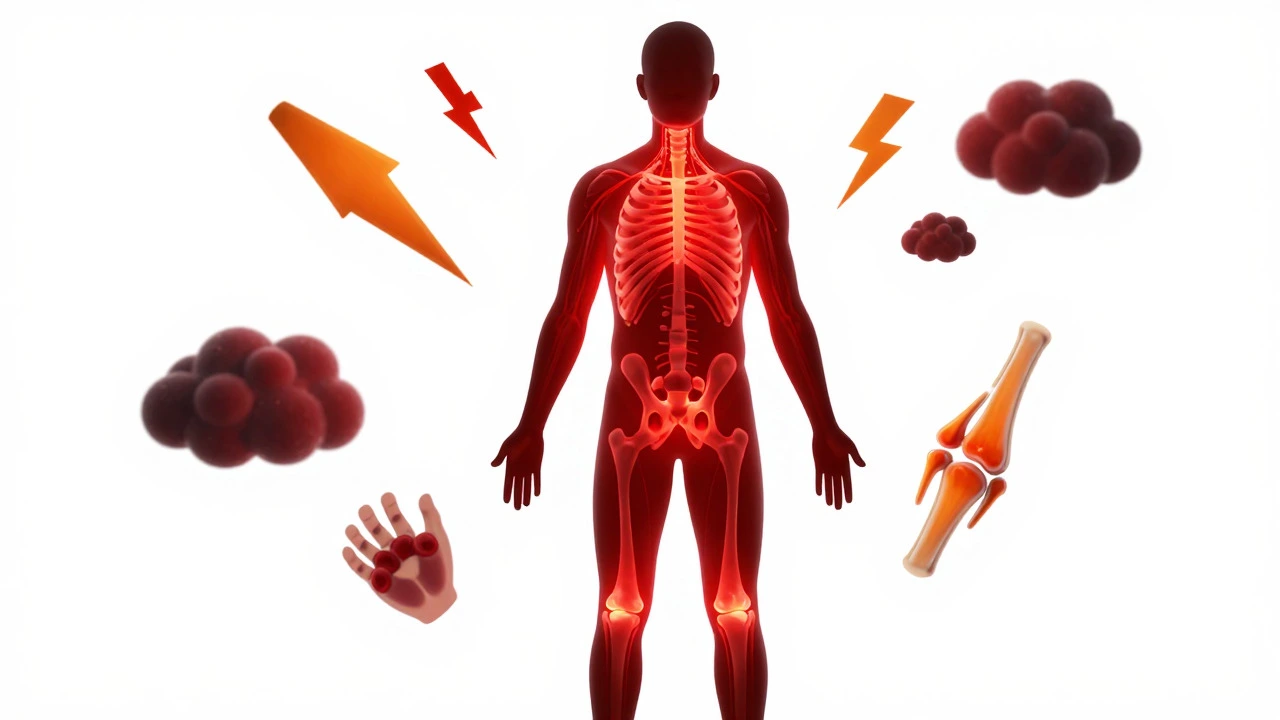
Signs You Are Overtraining
Your body will tell you if you’re pushing too hard. The problem is that many people ignore these signals, interpreting them as weakness rather than data. Here are the red flags that indicate you need to cut back immediately:
- Stalled Weight Loss: If you’re eating well and training hard but the scale isn’t moving, your metabolism may be downregulated due to chronic stress. Your body is holding onto energy reserves because it perceives a constant threat (the daily workouts).
- Joint Pain: Sore muscles are normal; sharp pain in joints is not. Persistent knee or ankle pain is a classic sign of insufficient recovery between high-impact sessions.
- Motivation Crash: You used to love your morning run. Now you dread it. This psychological aversion is your brain’s way of protecting you from further stress.
- Frequent Illness: Catching colds or viruses regularly suggests your immune system is compromised by excessive physical stress.
A Smarter Approach: Periodization and Variety
So, what should you do instead? The key is variety. Your fitness ecosystem should include different types of movement. Think of it like a diet: you wouldn’t eat only chicken breast every meal. You’d add vegetables, carbs, fats, and fruits. Similarly, your training week needs balance.
Here is a sample weekly structure that maximizes the benefits of HIIT while minimizing the risks:
- Monday: HIIT Session (20-30 minutes). Focus on cardio intervals like sprints or rowing.
- Tuesday: Strength Training. Full-body weights or resistance bands. Low impact, high tension.
- Wednesday: Active Recovery. A 30-minute walk, yoga, or swimming. Keep the heart rate low (Zone 2).
- Thursday: HIIT Session. Focus on bodyweight circuits (burpees, mountain climbers).
- Friday: Strength Training or Skill Work. Maybe try a new sport or mobility flow.
- Saturday: Optional Light Activity. Hiking, cycling, or playing with kids/pets.
- Sunday: Complete Rest. No structured exercise. Just relax and prepare for the week.
This approach allows you to hit high intensity when it matters, build strength to protect your joints, and give your nervous system the downtime it craves. You’ll likely find that your performance in the HIIT sessions improves because you’re fresh, allowing you to go harder in less time.

Nutrition and Sleep: The Hidden Variables
If you insist on training frequently, your nutritional needs change. HIIT depletes glycogen stores rapidly. If you’re doing it daily, you need to replenish those stores efficiently. This means adequate carbohydrates around your workout windows. Protein is also crucial for muscle repair-aim for 1.6 to 2.2 grams of protein per kilogram of body weight per day.
But food alone won’t save you. Sleep is the ultimate recovery tool. During deep sleep, your body releases growth hormone, which repairs tissues and regulates metabolism. If you’re doing daily HIIT and sleeping less than 7-8 hours, you are digging a hole you can’t climb out of. Prioritize sleep hygiene: dark room, cool temperature, no screens before bed.
Listening to Your Body vs. Ignoring It
In our culture, we often wear exhaustion as a badge of honor. We brag about how little we slept or how hard we pushed through pain. But true fitness is about longevity. It’s about being able to move well at 80, not just looking good at 30. Listening to your body isn’t lazy; it’s strategic.
If you feel great, energetic, and strong, maybe you can handle five days of intense work. But if you feel drained, irritable, and achy, take a step back. Swap a HIIT session for a walk in the park. Trust me, your future self will thank you.
Can beginners do HIIT every day?
Absolutely not. Beginners should start with 1-2 HIIT sessions per week. Their bodies are not adapted to the high mechanical stress, and the risk of injury is significantly higher. Focus on building a base of consistency and form before increasing frequency.
How long should a HIIT session last?
A true HIIT session should rarely exceed 30 minutes, including warm-up and cool-down. The actual high-intensity intervals usually total only 10-20 minutes. If you're exercising at maximum effort for an hour, it's likely not HIIT, but rather high-volume endurance training.
Is walking considered active recovery?
Yes. Walking at a comfortable pace increases blood flow, which helps remove metabolic waste products from muscles without adding significant stress to the central nervous system. It is one of the best forms of active recovery.
Will daily HIIT make me lose weight faster?
Not necessarily. While HIIT burns calories, daily sessions can elevate cortisol, which may hinder fat loss. Furthermore, if you are too tired to perform at high intensity, you burn fewer calories per session. A balanced approach with strength training often yields better body composition changes.
How do I know if I'm recovering properly?
Monitor your resting heart rate and sleep quality. If your resting heart rate is consistently higher than usual or your sleep is fragmented, you are likely not recovering. Also, pay attention to your mood and motivation levels; irritability is a common sign of under-recovery.