What is the Healthiest Type of Protein Powder? A 2026 Guide
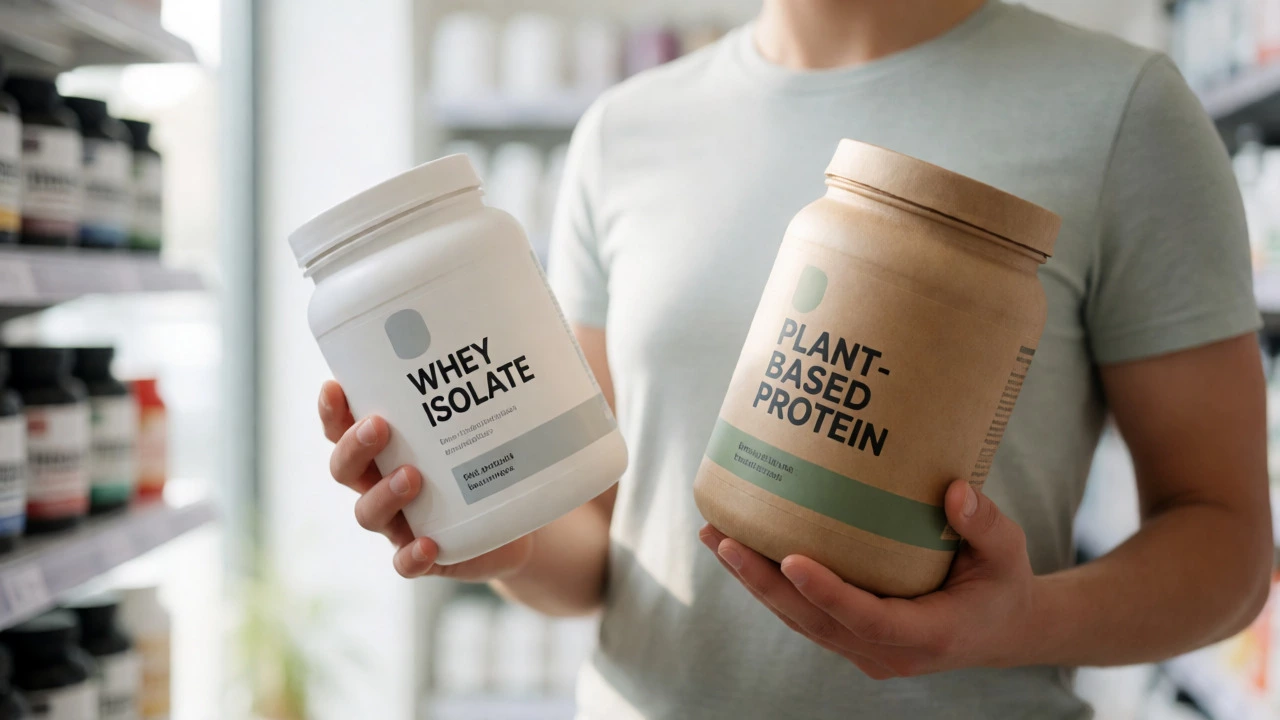
Find Your Healthiest Protein Powder
Answer these questions to find the most suitable protein source for your body and goals.
You’re standing in the supplement aisle (or scrolling through an online store), staring at a wall of tubs. Vanilla whey, chocolate pea, unflavored collagen, egg white… the list goes on. Your goal? The healthiest type of protein powder. But here’s the catch: there is no single "best" powder for everyone. What makes one brand healthy might make another terrible for you, depending on your digestion, dietary restrictions, and fitness goals.
I’ve spent years testing supplements in Bristol, tracking how different powders affect energy levels, gut health, and muscle recovery. The truth is simpler than the marketing suggests. It comes down to sourcing, processing, and purity. Let’s break down which types actually deserve a spot in your shaker bottle.
Understanding the Core Contenders
To find the healthiest option, you first need to know what’s inside the tub. Most powders fall into three main categories: animal-based, plant-based, and synthetic/collagen. Each has distinct pros and cons regarding bioavailability-the rate at which your body absorbs and uses the protein.
Whey Protein is a byproduct of cheese production, derived from milk, known for its high biological value and rapid absorption rate. It contains all nine essential amino acids, making it a "complete" protein. Because it digests quickly, it’s often recommended post-workout. However, it’s not suitable for vegans or those with lactose intolerance unless highly processed.
Plant-Based Protein refers to powders derived from sources like peas, rice, hemp, or soy, offering fiber and phytonutrients alongside protein. While individual plant sources may lack certain amino acids, blends (like pea and rice) create a complete profile. They are generally easier on the stomach for many people but can have a grittier texture.
Collagen Peptides are hydrolyzed proteins derived from animal connective tissues, rich in glycine and proline but lacking tryptophan. Unlike whey or plants, collagen isn’t a complete protein for muscle building. Instead, it supports skin, joint, and gut health. It dissolves easily and doesn’t taste like much, making it great for baking or coffee.
Why "Healthiest" Depends on Your Body
If you have a sensitive stomach, whey concentrate might cause bloating. If you’re vegan, whey is off the table entirely. The healthiest powder is the one that aligns with your biology without adding unnecessary junk.
Consider Lactose Intolerance. About 65% of the global population has some degree of difficulty digesting lactose. For these individuals, Whey Isolate is healthier than Whey Concentrate because the filtration process removes most lactose and fat. Conversely, if you’re prone to kidney issues, you might want to avoid extremely high-protein diets altogether, regardless of the source.
Digestibility matters more than total grams per scoop. A study published in the Journal of the International Society of Sports Nutrition highlights that while whey has a higher PDCAAS (Protein Digestibility Corrected Amino Acid Score) than many plant sources, well-formulated plant blends close this gap significantly. If a powder sits heavy in your gut for hours, it’s not helping your health, even if the label says "30g protein."
The Dirty Dozen: What to Avoid in Protein Powders
Even the best ingredient can be ruined by bad additives. Many cheap powders use fillers to bulk up weight and artificial sweeteners to mask poor taste. Here’s what to look for on the back of the tub:
- Artificial Sweeteners: Aspartame, sucralose, and acesulfame potassium are common. Some people report headaches or digestive upset from them. Natural alternatives like stevia or monk fruit are preferable.
- Maltodextrin: This is essentially sugar disguised as a carbohydrate filler. It spikes blood glucose rapidly. If you’re watching insulin levels, skip it.
- Proprietary Blends: If a label lists a "Protein Blend" without breaking down exact amounts of each component, you don’t know what you’re getting. You might be paying premium prices for mostly cheap soy or wheat gluten.
- Heavy Metals: Plant proteins, especially rice and hemp, can absorb lead and arsenic from soil. Look for brands that provide third-party testing certificates (like NSF Certified for Sport or Informed Choice).
Comparing the Top Types: A Practical Breakdown
Let’s compare the most popular options based on key health metrics. This table helps you decide which fits your specific needs.
| Type | Source | Best For | Digestibility | Purity Concerns |
|---|---|---|---|---|
| Whey Isolate | Milk (filtered) | Rapid muscle repair, low carb diets | Very High | Lactose traces, potential antibiotics if non-organic |
| Pea Protein | Yellow split peas | Vegans, heart health, allergy-friendly | High (when blended) | Sodium content, grittiness |
| Egg White Protein | Pasteurized eggs | Clean eating, paleo diets | Very High | Cholesterol (minimal in powder), sodium |
| Collagen Peptides | Bovine/Marine hide | Joints, skin, gut lining | High | Not complete protein, sourcing ethics |
| Hemp Protein | Hemp seeds | Fiber intake, omega-3s | Moderate | Lower protein density, earthy taste |
Spotlight on Whey Isolate vs. Hydrolysate
Within the dairy category, two names dominate: Isolate and Hydrolysate. Which is healthier?
Whey Protein Isolate (WPI) undergoes cross-flow microfiltration to remove nearly all fat and lactose. It typically hits 90%+ protein by weight. It’s clean, efficient, and widely studied for muscle synthesis.
Hydrolyzed Whey takes it a step further. Enzymes partially break down the protein chains before you even consume it. This leads to faster absorption-sometimes within minutes. Does this make it healthier? Not necessarily. For most recreational gym-goers, the difference in absorption speed between Isolate and Hydrolysate is negligible. Hydrolysate is also more expensive and can have a bitter taste due to the pre-digestion process. Unless you’re an elite athlete needing immediate replenishment during multi-session days, Isolate offers better value and similar health benefits.
The Rise of Clean Plant Proteins
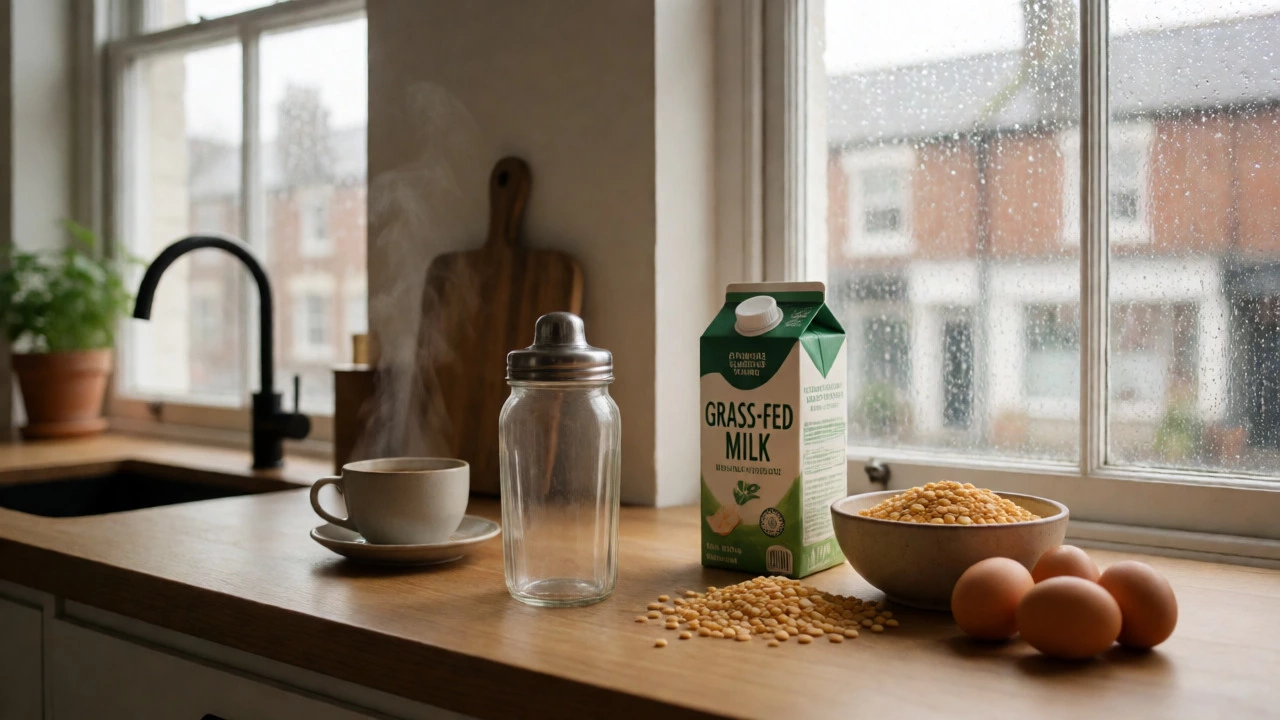
For those avoiding dairy, plant proteins have come a long way. Gone are the days of chalky, gritty soy isolates. Modern blends combine Pea Protein and Brown Rice Protein to mimic the amino acid profile of whey.
Pea protein is particularly noteworthy. It’s hypoallergenic, sustainable, and rich in branched-chain amino acids (BCAAs), specifically leucine, which triggers muscle growth. A 2021 study in the British Journal of Nutrition found that pea protein supported muscle thickness gains similarly to whey over a 12-week resistance training program.
However, watch out for added sugars. Many flavored plant proteins compensate for their natural bitterness with excessive coconut sugar or maltodextrin. Always check the nutrition label: aim for less than 3g of sugar per serving.
How to Choose the Right One for You
Stop guessing. Use this simple decision tree:
- Do you eat dairy?
- No → Go Plant-Based (Pea/Rice blend) or Egg White.
- Yes → Proceed to next question.
- Are you lactose intolerant?
- Yes → Choose Whey Isolate or Collagen.
- No → Whey Concentrate is fine and cheaper; Isolate is cleaner.
- Is your primary goal muscle gain?
- Yes → Prioritize Leucine content. Whey or Pea/Rice blends are best.
- No (Skin/Joints/Gut) → Consider Collagen Peptides.
- Do you have a sensitive stomach?
- Yes → Avoid artificial sweeteners and gums (xanthan, guar). Look for minimal ingredients.
Final Verdict: What Actually Makes a Powder Healthy?
The healthiest protein powder isn’t defined by its marketing buzzwords like "detox" or "superfood." It’s defined by transparency and quality.
A truly healthy powder meets these criteria:
- Third-Party Tested: Certifications like NSF or BSCG ensure no banned substances or heavy metals.
- Minimal Ingredients: Fewer ingredients mean fewer chances for hidden allergens or fillers.
- Appropriate Processing: Cold-processed or naturally sweetened options retain more nutrients than heavily heated, artificially flavored ones.
- Sustainable Sourcing: Ethical farming practices contribute to overall planetary health, which indirectly affects our own.
If I had to pick one "safest bet" for the general population in 2026, it would be a high-quality, unflavored Whey Protein Isolate sourced from grass-fed cows. It’s versatile, effective, and minimally processed. For vegans, a certified organic Pea and Brown Rice blend is the top contender. Both offer excellent nutritional profiles without the baggage of cheap additives.
Is whey protein bad for kidneys?
For healthy individuals, no. Research shows that high protein intake does not damage kidneys in people with normal function. However, if you have pre-existing kidney disease, consult your doctor before increasing protein consumption, as your kidneys may struggle to filter the nitrogen waste products.
Can I take protein powder every day?
Yes, daily use is safe for most adults. Protein powder is just a convenient food source, similar to chicken breast or lentils. Just ensure it complements a balanced diet rather than replacing whole foods entirely, as whole foods provide essential micronutrients and fiber that powders often lack.
Which is better: whey isolate or plant protein?
It depends on your dietary needs. Whey isolate has higher bioavailability and is better for rapid post-workout recovery. Plant protein is better for sustainability, digestion (for some), and those avoiding dairy. If you tolerate dairy well, whey isolate is slightly more efficient for muscle building. If not, a pea/rice blend is equally effective when consumed consistently.
Does collagen protein build muscle?
Not effectively on its own. Collagen lacks tryptophan, an essential amino acid, and is low in leucine, the key trigger for muscle protein synthesis. It’s best used for joint, skin, and gut health. Pair it with a complete protein source if your goal is significant muscle growth.
Are artificial sweeteners in protein powder unhealthy?
Current evidence suggests they are safe for most people in moderate amounts. However, some studies link them to altered gut microbiota or increased cravings in sensitive individuals. If you experience bloating or headaches after consuming diet sodas or protein shakes, switch to stevia or unsweetened versions.