What is the Number One Protein to Avoid? The Truth About Sugar Bombs
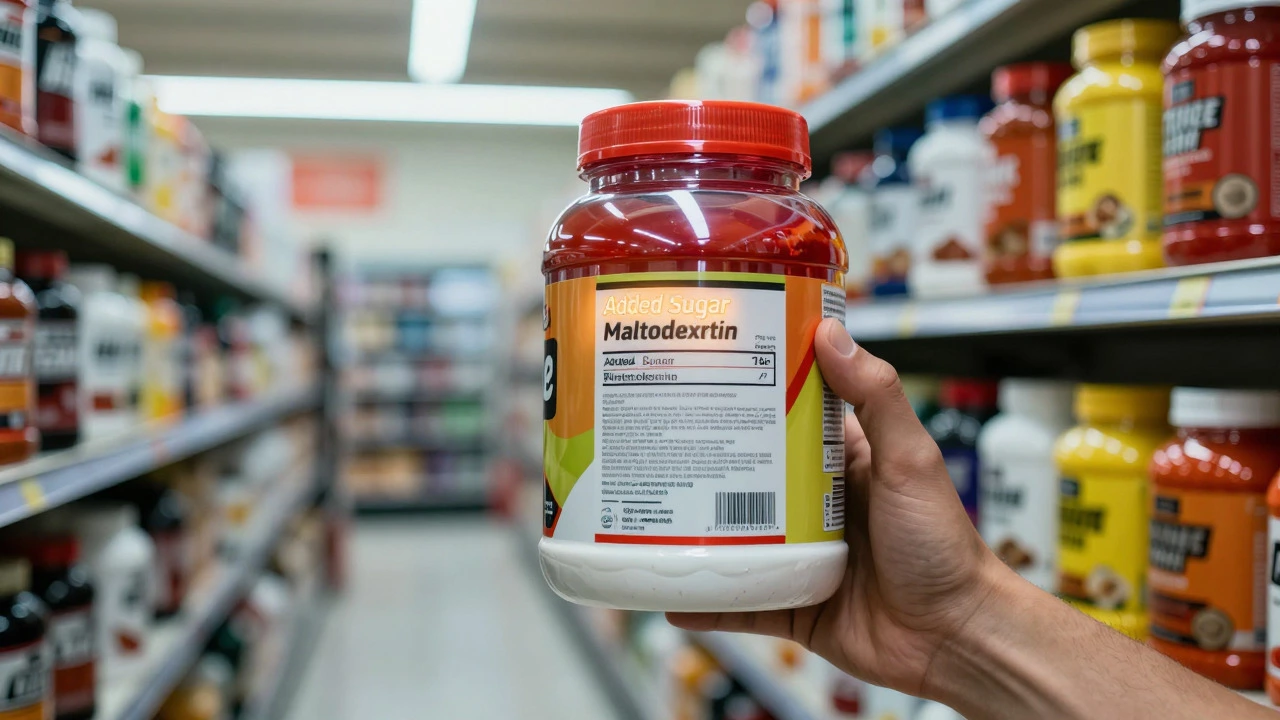
You stand in front of the supplement aisle, staring at a wall of colorful tubs. Some promise muscle growth, others claim to boost energy or help you lose weight. You grab one that looks good, check the label, and see it has 25 grams of protein. Great, right? Wrong. If that same shake also contains 15 grams of added sugar, artificial dyes, and cheap fillers, you aren’t buying health. You’re buying a dessert with a side of amino acids.
The question "what is the number one protein to avoid" doesn't have a single chemical answer like "whey" or "soy." Instead, it points to a specific type of product: the low-quality, high-sugar mass gainer or flavored concentrate that masquerades as a health food. These products are designed to taste like candy, not to fuel your body. They spike your insulin, promote fat storage rather than muscle repair, and leave you feeling sluggish instead of energized.
The Hidden Enemy: Added Sugars and Fillers
When we talk about proteins to avoid, we are really talking about the additives that come along for the ride. Pure protein powder-whether it’s whey, casein, pea, or rice-is generally safe and effective. The problem arises when manufacturers dilute these proteins with cheap ingredients to cut costs and improve flavor.
Look closely at the ingredient list on many popular budget brands. Often, the first or second ingredient isn’t protein at all; it’s maltodextrin, corn syrup solids, or sucrose. Maltodextrin is a carbohydrate derived from starch that has a glycemic index higher than table sugar. This means it spikes your blood glucose levels rapidly. For someone trying to build lean muscle or maintain a healthy weight, this rapid spike triggers an insulin response that encourages the body to store energy as fat.
Consider this scenario: You finish a tough workout in Bristol, sweating and ready to recover. You mix a scoop of a cheap, sweetened protein powder. Within twenty minutes, your blood sugar crashes. You feel tired, hungry again, and likely crave more carbs. This cycle undermines your entire training effort. The "number one" thing to avoid here is the high-sugar protein shake, which turns a nutritional tool into a metabolic trap.
Whey Concentrate vs. Isolate: Quality Matters
If you prefer dairy-based options, understanding the difference between whey concentrate and whey isolate is crucial. Whey protein is derived from milk during the cheese-making process. It’s fast-absorbing and rich in branched-chain amino acids (BCAAs), which are vital for muscle repair.
Whey protein concentrate undergoes minimal processing. While it retains more nutrients, it also keeps some of the lactose and fat found in milk. For most people, this is fine. However, lower-grade concentrates often contain less protein per scoop (around 70-80%) compared to isolates (90%+). To make up for the lower protein content, manufacturers add fillers. If you are lactose intolerant or sensitive to bloating, cheap concentrates can cause digestive distress, making them a poor choice despite their lower price tag.
In contrast, Whey protein isolate is filtered to remove almost all lactose and fat. It’s purer, absorbs faster, and usually contains fewer additives because the protein itself provides sufficient volume. If you must choose a dairy option, isolate is the safer bet to avoid unnecessary sugars and fats.
| Protein Type | Purity Level | Common Additives to Watch | Best For |
|---|---|---|---|
| Low-Grade Mass Gainer | Very Low (High Carb) | Maltodextrin, Sucrose, Artificial Flavors | Avoid (unless underweight) |
| Whey Concentrate | Medium (70-80%) | Lactose, Fat, Minor Fillers | Budget-conscious users |
| Whey Isolate | High (90%+) | Minimal (often just stevia/sucralose) | Lean muscle, lactose sensitivity |
| Plant-Based Blends | Variable | Gums, Thickeners, Iron Fortification | Vegans, Dairy-free diets |
Artificial Sweeteners: A Controversial Topic
Many modern protein powders claim to be "sugar-free" but rely heavily on artificial sweeteners like sucralose, aspartame, or acesulfame potassium. While regulatory bodies consider these safe in moderation, emerging research suggests they may alter gut microbiota and increase cravings for sweet foods. If your goal is clean eating, avoiding these synthetic additives is wise.
Natural alternatives like stevia, monk fruit extract, or erythritol are better options. They provide sweetness without the insulin spike or potential gut issues associated with artificial chemicals. When scanning labels, if you see a long list of unpronounceable chemical names, put the tub back. Your body prefers whole-food-derived ingredients.

Heavy Metals and Third-Party Testing
A lesser-known but critical issue is contamination. Several independent studies have found that some popular protein powders contain heavy metals like lead, arsenic, cadmium, and mercury. These contaminants come from the soil where plants grow or from the manufacturing process. Long-term exposure can lead to neurological damage and other health issues.
To avoid this risk, look for products that have been third-party tested by organizations like NSF International, Informed Choice, or ConsumerLab. These certifications ensure that what’s on the label is actually in the bottle and that harmful substances are below safe limits. Brands that don’t disclose testing results are taking a gamble with your health.
Plant-Based Pitfalls
Plant-based proteins have exploded in popularity. Pea, rice, hemp, and soy proteins are excellent sources of amino acids. However, not all plant proteins are created equal. Single-source plant proteins often lack a complete amino acid profile. For example, pea protein is low in methionine, while rice protein is low in lysine. Smart brands blend these to create a complete protein.
The pitfall here is texture and additives. Many plant-based shakes use gums like xanthan gum or guar gum to thicken the liquid and mimic the creamy texture of dairy. While these are natural, excessive consumption can cause bloating and gas. Additionally, some vegan brands load their products with iron to appeal to health-conscious buyers, which can be unnecessary or even harmful if you already get enough iron from your diet. Stick to blends with simple ingredients and minimal thickening agents.
How to Choose a Clean Protein Shake
Avoiding the wrong protein starts with reading labels critically. Here is a quick checklist to guide your purchase:
- Check the Protein Content: Aim for at least 20-25 grams of protein per serving. Ensure protein is the first ingredient listed.
- Limit Added Sugar: Look for less than 2 grams of added sugar per serving. Natural sugars from milk or fruit extracts are acceptable in small amounts.
- Scan for Fillers: Avoid maltodextrin, corn syrup, soy lecithin (if sensitive), and artificial colors (Red 40, Blue 1).
- Verify Sweeteners: Prefer stevia, monk fruit, or unsweetened versions over sucralose and aspartame.
- Look for Certifications: Choose brands with NSF Certified for Sport or Informed Choice seals to ensure purity and absence of banned substances.
Whole Foods First
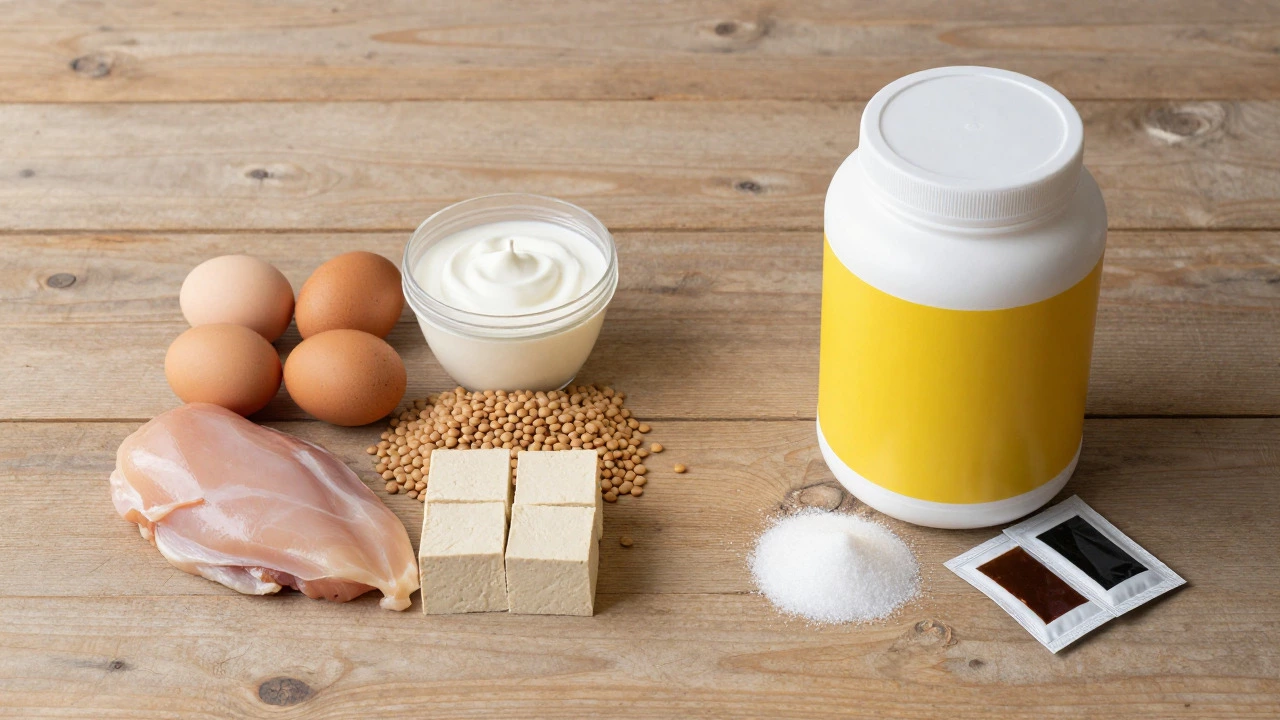
Before reaching for any powder, remember that whole foods are always superior. Eggs, chicken breast, Greek yogurt, lentils, and tofu provide protein alongside fiber, vitamins, and minerals that powders lack. Supplements should supplement, not replace, a balanced diet. If you find yourself relying on protein shakes for more than two meals a day, it might be time to rethink your grocery shopping habits.
In summary, the number one protein to avoid is not a specific source like whey or soy, but rather any product that prioritizes taste and cost over nutritional integrity. By steering clear of high-sugar mass gainers, untested brands, and powders loaded with artificial additives, you ensure that your post-workout recovery supports your long-term health goals rather than hindering them.
Is whey protein bad for you?
No, whey protein is not inherently bad. It is a high-quality, complete protein source. However, low-quality whey concentrates with high sugar content or those lacking third-party testing for heavy metals can be detrimental. Opt for whey isolate for higher purity and fewer additives.
What is the healthiest protein powder?
The healthiest protein powder depends on your dietary needs but generally includes whey isolate, egg white protein, or blended plant proteins (pea/rice) that are third-party tested, free from artificial sweeteners, and have minimal ingredients. Look for brands with NSF or Informed Choice certification.
Do protein shakes cause belly fat?
Protein shakes themselves do not cause belly fat. However, high-sugar mass gainers or consuming excess calories from protein powder can lead to weight gain, including abdominal fat. Choosing a low-sugar, high-protein isolate helps prevent this.
Are artificial sweeteners in protein powder dangerous?
While deemed safe by regulatory agencies, artificial sweeteners like sucralose may affect gut health and increase sugar cravings for some individuals. Natural alternatives like stevia or monk fruit are considered safer and healthier options for long-term use.
Can I take protein powder every day?
Yes, daily consumption is safe for most people, provided you choose a high-quality product and stay within recommended dosage. It is essential to balance protein intake with whole foods and maintain adequate hydration to support kidney function.