What Is the Tummy Shrink Drink? Fact-Check and Reality
Tummy Shrink Drink Reality Check Quiz
Think you know how those popular "flat tummy" teas actually work? Take this quick 5-question quiz to separate marketing hype from biological reality.
What is the primary mechanism by which most "tummy shrink" drinks reduce waistline size in the short term?
Which ingredient is commonly used in these drinks specifically for its ability to expand in the stomach and promote fullness?
Why might relying daily on senna-based drinks be problematic for long-term digestive health?
According to the article, what is a significant risk associated with the rapid weight loss caused by diuretic-based drinks?
Which of the following is cited as a safer, DIY alternative to expensive branded tummy shrink drinks?
Your Results
Remember: True fat loss requires a sustained calorie deficit and lifestyle changes, not just temporary fluid shifts.
You see the ads everywhere: a woman holding her flat stomach, claiming she lost two dress sizes in a week with one simple sip. It sounds too good to be true because it is. The Tummy Shrink Drink isn't a single, regulated pharmaceutical product. Instead, it's a marketing umbrella term for various herbal teas, fiber supplements, and diuretic blends sold online and in health stores. They promise rapid waistline reduction, but do they actually burn fat?
If you're tired of confusing labels and want to know what goes into your body, this breakdown cuts through the noise. We'll look at the ingredients, the science behind the "shrink," and whether these drinks deserve a spot in your kitchen cupboard or just your bin.
The Core Ingredients Behind the Hype
Most products branded as tummy shrinkers rely on three main categories of ingredients: stimulants, diuretics, and bulking agents. Understanding what each does helps you predict how you'll feel after drinking them.
- Caffeine and Green Tea Extract: These are natural stimulants. They boost metabolism slightly-maybe by 3-5%-and increase alertness. If you already drink coffee, adding a green tea supplement might give you a mild energy lift, but it won't melt pounds overnight.
- Senna and Dandelion Root: These act as laxatives and diuretics. Senna irritates the bowel lining to prompt movement, while dandelion increases urine output. This is why many users report feeling "lighter" quickly. You aren't losing fat; you're losing water and waste.
- Glucomannan (Konjac Fiber): This is a soluble fiber that expands in your stomach when mixed with water. It creates a gel-like substance that promotes fullness. If taken correctly before meals, it can help you eat less. But if taken without enough water, it can cause choking or blockages.
Notice that none of these ingredients directly target adipose tissue (body fat). They manipulate digestion and fluid balance. That distinction matters if your goal is long-term health rather than a quick fix for a holiday photo.
How Does It Actually Work?
The mechanism is often misunderstood. When people say their stomach "shrank," they usually mean two things happened simultaneously: reduced bloating and temporary appetite suppression.
Bloating is caused by gas, fluid retention, or constipation. A strong diuretic flushes out excess sodium and water, which reduces abdominal distension within hours. Meanwhile, fiber-based drinks slow down gastric emptying. Food stays in your stomach longer, sending satiety signals to your brain sooner. You eat smaller portions, not because your stomach physically shrank, but because your hunger hormones responded differently.
Here is a common scenario: You drink a senna-based tea at night. By morning, you've had several bowel movements. Your waist measurement drops by an inch. Did you lose fat? No. You emptied your colon. Once you resume normal eating and hydration, the weight returns. This cycle can be deceptive, leading people to believe the product works when it merely masks the issue temporarily.
Pros and Cons: What You Need to Know
Are these drinks useless? Not entirely. They have specific use cases where they provide value, particularly for managing occasional digestive discomfort. However, they come with risks that generic marketing rarely highlights.
| Feature | Tummy Shrink Drink | Water + Whole Foods |
|---|---|---|
| Primary Effect | Diuresis & Laxative Action | Hydration & Nutrient Absorption |
| Duration of Results | Short-term (Hours to Days) | Long-term (Sustainable) |
| Risk Level | Moderate (Dehydration, Electrolyte Imbalance) | Low |
| Cost | High (£15-£40 per month) | Minimal |
| Impact on Metabolism | Negligible | Supports Basal Metabolic Rate |
The biggest downside is dependency. If you rely on senna or other laxatives daily, your bowel muscles can become lazy. Known as "laxative dependence," this condition makes it harder to pass stool naturally once you stop taking the supplement. Dehydration is another silent killer here. Losing water weight feels great on the scale, but it stresses your kidneys and can lead to headaches and fatigue.

Who Should Avoid These Drinks?
Not everyone handles herbal supplements well. If you fall into any of these groups, proceed with caution or skip them entirely:
- Pregnant or Breastfeeding Women: Many herbs like senna and high doses of caffeine cross the placenta or enter breast milk. Always consult your midwife or GP first.
- People with IBS or Crohn’s Disease: Stimulant laxatives can trigger severe cramping and flare-ups in sensitive guts.
- Those on Medication: Diuretics can interfere with blood pressure meds, lithium, and certain heart medications. The change in potassium levels alone can be dangerous.
- Individuals with Eating Disorders: The focus on "flushing" calories or food can reinforce unhealthy relationships with eating and purging behaviors.
If you have a history of kidney stones, be wary of oxalate-rich teas like black tea or green tea concentrates. High intake can contribute to stone formation in susceptible individuals.
Realistic Expectations: Fat Loss vs. Weight Loss
Let's clarify the difference. Weight loss includes muscle, water, bone density, and organ mass. Fat loss specifically targets stored energy reserves. Tummy shrink drinks primarily influence weight, not fat.
To actually reduce visceral fat-the dangerous kind around your organs-you need a calorie deficit sustained over weeks. A study published in the Journal of Clinical Endocrinology & Metabolism suggests that even moderate aerobic exercise combined with dietary changes yields better abdominal results than supplements alone. Drinking a tea won't compensate for a diet high in processed sugars and sedentary habits.
Think of these drinks as a tool, not a solution. If you use a fiber drink to help control snacking between meals, that's a smart strategy. If you think drinking it allows you to eat pizza every night, you're setting yourself up for disappointment.
DIY Alternatives That Actually Help
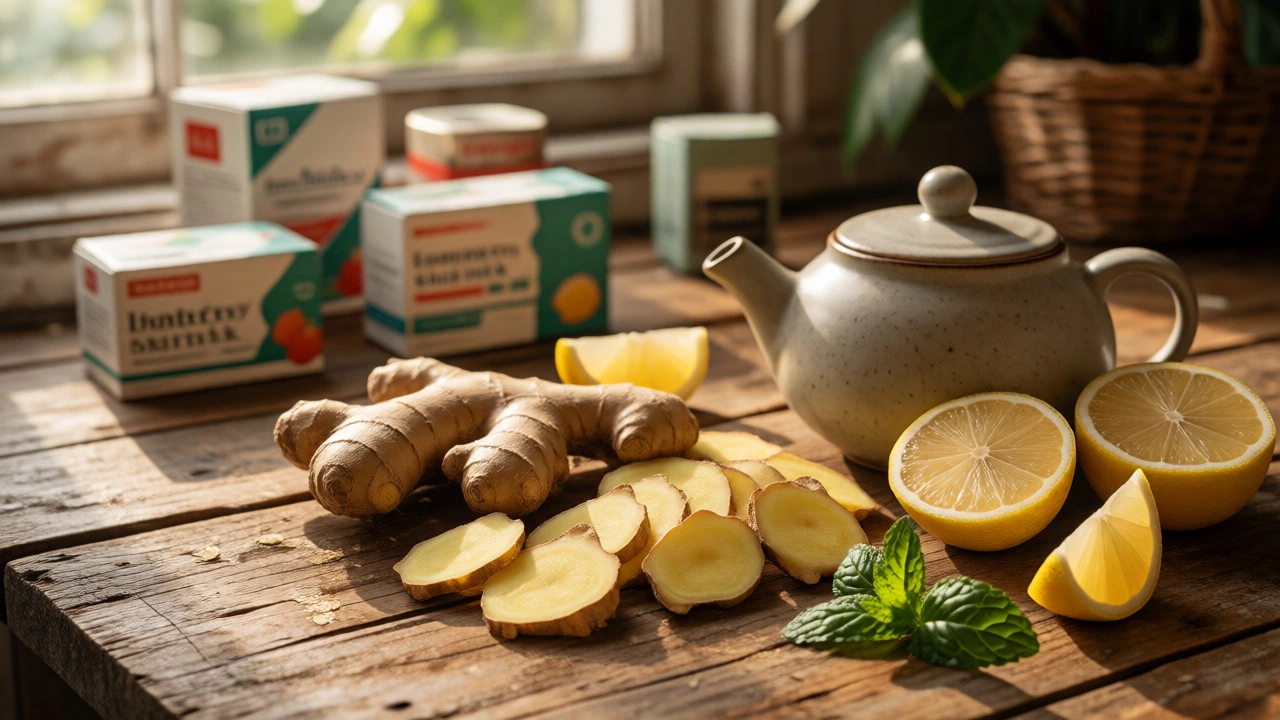
You don't need expensive branded boxes to get similar effects. Simple, whole-food ingredients can support digestion and reduce bloating without the harsh laxative kick.
- Ginger Tea: Fresh ginger root steeped in hot water aids gastric motility and reduces nausea. It’s gentle and effective for settling an upset stomach.
- Lemon Water: Starting the day with warm lemon water encourages hydration and may stimulate bile production, aiding fat digestion.
- Peppermint Tea: Great for relieving gas and bloating, especially after heavy meals. Just avoid it if you suffer from acid reflux, as it can relax the esophageal sphincter.
- Chia Seed Pudding: Soaking chia seeds in water or yogurt creates a high-fiber, filling snack that stabilizes blood sugar better than liquid supplements.
These options cost pennies, taste better, and nourish your body instead of just flushing it.
Final Verdict: Worth the Money?
The tummy shrink drink market thrives on hope. People want a shortcut. While some ingredients like glucomannan show modest promise for appetite control, the overall effect is temporary and often overstated. If you enjoy the ritual of a warm herbal tea and find it helps you pause before reaching for snacks, go ahead. But manage your expectations. You won't wake up with a six-pack.
For lasting results, prioritize sleep, consistent movement, and whole foods. Use these drinks sparingly, perhaps during travel or when you know you'll overeat, but don't make them the foundation of your health plan.
Does the tummy shrink drink really burn belly fat?
No, it does not directly burn belly fat. Most tummy shrink drinks work by reducing bloating and water weight through diuretics and laxatives. While they may help you eat less due to increased fullness from fiber, they do not significantly increase metabolic rate enough to cause substantial fat loss on their own.
Is it safe to take tummy shrink drinks every day?
Daily use depends on the ingredients. Drinks containing senna or other stimulant laxatives should generally not be used daily for more than a week, as this can lead to bowel dependency and electrolyte imbalances. Caffeine-based versions are safer for daily consumption if you tolerate caffeine well, but monitor your total intake to avoid anxiety or sleep issues.
Why do I feel hungry after drinking a tummy shrink drink?
If your drink contains diuretics but little fiber, you may lose water volume quickly, leaving your stomach empty faster. Additionally, if the drink suppresses appetite artificially via stimulants, your body may rebound with intense hunger once the stimulant wears off. Ensure you are eating nutrient-dense meals alongside the drink to maintain stable blood sugar levels.
Can men use tummy shrink drinks?
Yes, men can use them, but the physiological response might differ. Men typically carry more visceral fat and have higher muscle mass, meaning their baseline metabolic needs are different. Since these drinks mostly address bloating and temporary weight, men looking to reduce actual abdominal girth should focus on strength training and protein intake rather than relying solely on herbal teas.
What are the side effects of tummy shrink drinks?
Common side effects include dehydration, electrolyte imbalance (low potassium), stomach cramps, diarrhea, and nausea. Long-term misuse of laxative-based drinks can lead to chronic constipation and damage to the intestinal nerves. Always stay hydrated by drinking plenty of plain water throughout the day.