What Is the Unhealthiest Protein? The Shocking Truth About Protein Shakes
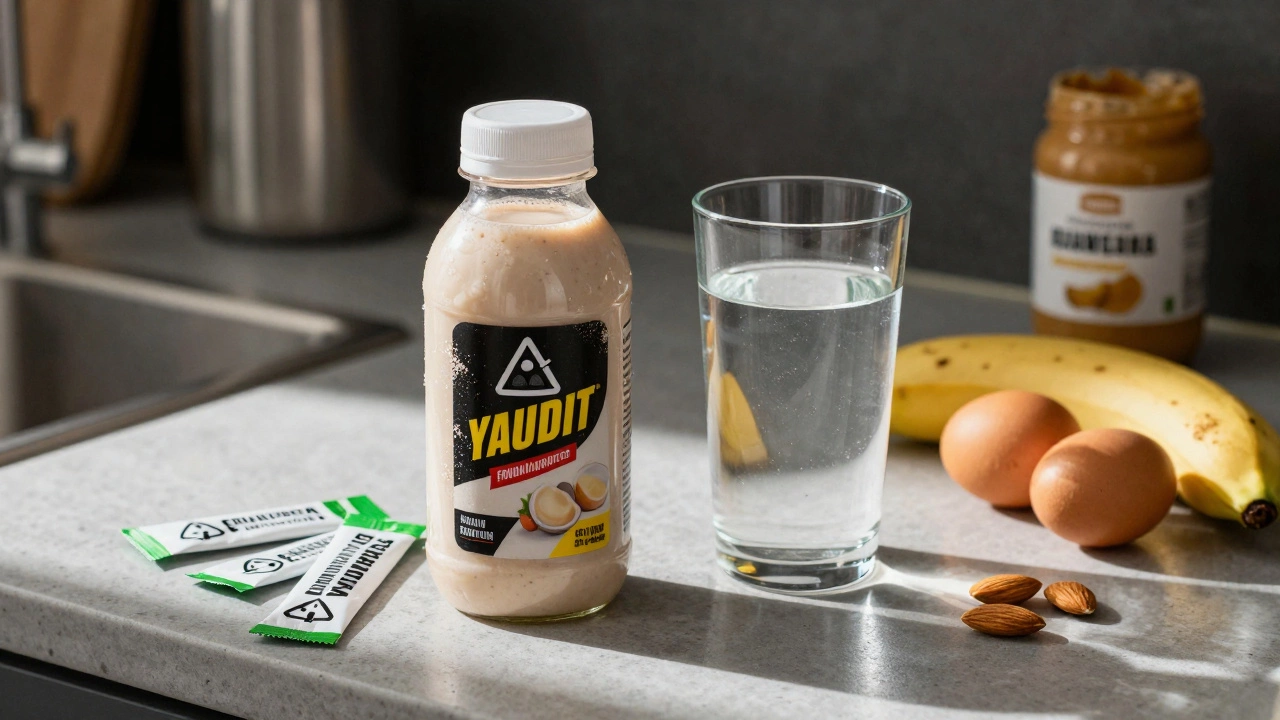
Not all protein is created equal. You might think a protein shake is a smart choice-especially if you're trying to lose weight or build muscle. But some protein powders are basically sugar bombs in disguise, packed with chemicals, artificial sweeteners, and fillers that do more harm than good. The unhealthiest protein isn’t just low quality-it’s actively working against your health goals.
What Makes a Protein Unhealthy?
Protein itself isn’t the problem. The issue is what’s mixed in with it. Many protein powders aren’t just whey or pea protein. They’re loaded with ingredients that have nothing to do with nutrition. Think: artificial sweeteners like sucralose and acesulfame potassium, thickeners like carrageenan, added sugars under sneaky names like maltodextrin, and even heavy metals from contaminated ingredients.
A 2022 analysis by the Clean Label Project tested 150 protein powders and found that over 70% contained measurable levels of lead, arsenic, or cadmium. Some had more than the daily safe limit for children. That’s not a typo. You’re not just getting protein-you might be getting toxins.
And then there’s the sugar. A single scoop of some popular brands contains 12 grams of sugar-equivalent to three teaspoons. That’s more than a can of soda. If you’re drinking two shakes a day, you’re hitting 24 grams of added sugar. The American Heart Association recommends no more than 25 grams per day for women. You’ve already maxed out your limit before breakfast.
The Worst Offenders: What’s in the Unhealthiest Protein Shakes?
Some brands stand out for being the most problematic. These aren’t obscure products-they’re the ones you see on Instagram, endorsed by influencers, and sold in big-box stores. Here’s what to watch out for:
- Mass gainers marketed to bodybuilders: These often contain over 100 grams of sugar per serving and are basically powdered milkshakes. They’re designed to pack on weight, not build lean muscle.
- Flavored whey isolates with artificial sweeteners: Products like Optimum Nutrition Gold Standard a popular whey protein powder that, despite its reputation, contains sucralose and acesulfame potassium in many of its flavored versions use chemicals that may disrupt gut bacteria and insulin response.
- Plant-based blends with rice and pea protein: While plant proteins are often seen as healthier, some brands mix them with high-glycemic starches and fillers to cut costs. One 2023 study found that certain rice protein powders had arsenic levels 10 times higher than the EPA’s drinking water standard.
- Protein bars disguised as shakes: Some liquid protein products are thickened with gums like xanthan or guar, which can cause bloating and digestive distress in sensitive people.
The unhealthiest protein isn’t necessarily the one with the least protein-it’s the one with the most junk. A product with 25 grams of protein but 18 grams of sugar and three artificial sweeteners is worse than a shake with 15 grams of protein and zero additives.
Why These Ingredients Matter
Let’s break down the real damage:
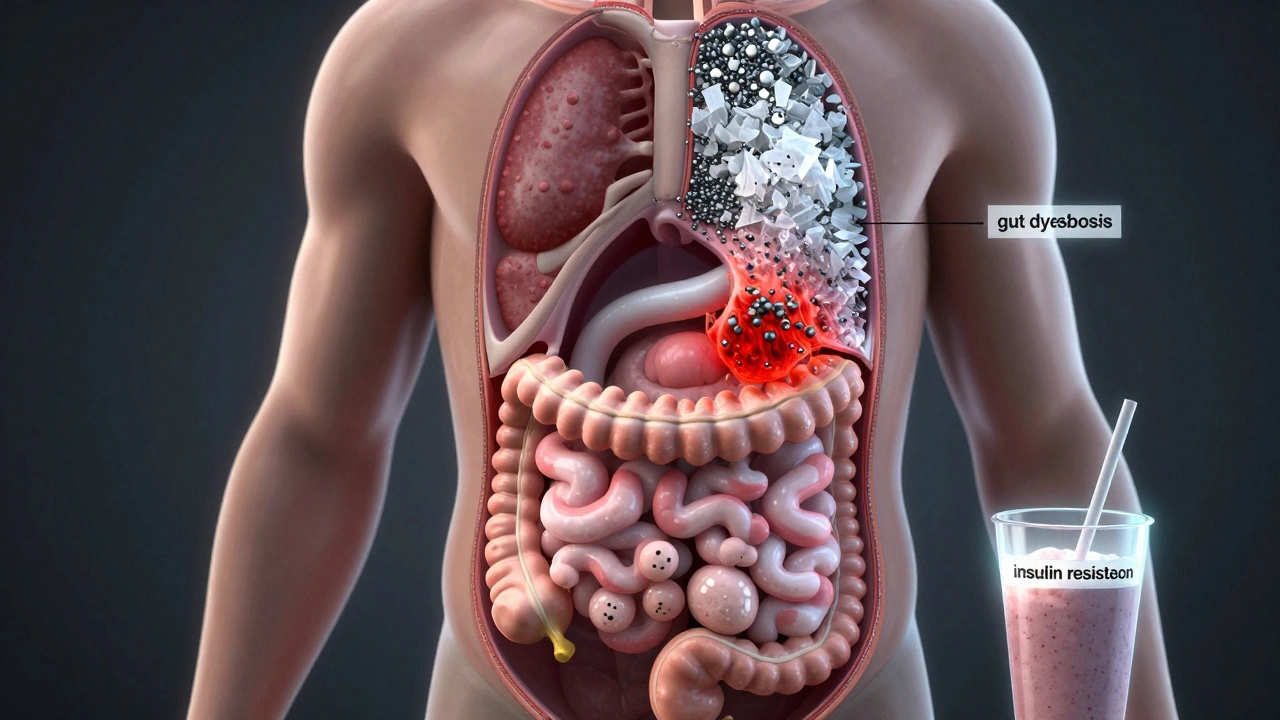
Artificial sweeteners like sucralose and aspartame don’t just taste sweet-they trick your body. Studies from the University of Sydney show these chemicals can alter gut microbiome balance, leading to insulin resistance over time. That means your body starts storing fat instead of burning it-even if you’re not eating sugar.
Carrageenan, a thickener derived from seaweed, is linked to inflammation in the gut. A 2021 study in the journal Nutrients found that people with IBS or leaky gut symptoms saw improvement after removing carrageenan from their diet. It’s in a lot of protein powders because it’s cheap and makes the texture smooth. But it’s not doing your digestion any favors.
Heavy metals like lead and cadmium accumulate in the body. They’re not added on purpose-they come from contaminated soil where ingredients like rice or cocoa are grown. Over time, they build up in your liver and kidneys. The risk isn’t from one shake. It’s from drinking them daily for months or years.
Added sugars are the easiest to understand. They spike blood sugar, crash your energy, and feed cravings. If you’re trying to lose weight, sugar is your worst enemy-even if it’s hiding under the name "natural flavors" or "fruit juice concentrate."
How to Spot the Unhealthiest Protein (And Avoid It)
You don’t need a chemistry degree to read a label. Here’s how to pick better:
- Check the ingredient list. If it’s longer than 5 items, walk away. If you see anything you can’t pronounce, skip it.
- Look for added sugars. Even "natural" sugars like cane juice or agave are still sugar. Aim for under 3 grams per serving.
- Watch for artificial sweeteners. Avoid sucralose, aspartame, acesulfame K, and neotame. Stevia and monk fruit are safer options, but even those can trigger cravings in some people.
- Check for certifications. Look for NSF Certified for Sport or Informed Choice. These brands are tested for banned substances and heavy metals.
- Go for unflavored. Unflavored whey or pea protein has no additives. You can mix it with water, almond milk, or a banana for flavor.
Here’s a simple rule: If it tastes like a dessert, it’s probably not a protein shake. It’s candy in liquid form.
What’s Actually a Healthy Protein?
Real food still wins. Eggs, chicken breast, Greek yogurt, lentils, tofu, and salmon give you protein without the chemical baggage. If you need a shake, choose one with:
- One main protein source (whey, casein, pea, egg white)
- No more than two additives
- No sugar or artificial sweeteners
- Third-party tested for heavy metals
Brands like Thorne Whey Protein Isolate a clean, NSF-certified whey protein with no artificial sweeteners, additives, or fillers or Orgain Organic Plant-Based Protein a simple blend of pea, brown rice, and chia protein with no added sugars are examples of products that actually match what’s on the label.
Even better? Skip the powder altogether. Blend a banana with a spoon of almond butter and a cup of unsweetened almond milk. You’ll get protein, fiber, and healthy fats without a single chemical.
Who’s Most at Risk?
People who rely on protein shakes daily are the most vulnerable. That includes:
- Busy parents who grab a shake for breakfast
- People trying to lose weight and using shakes as meal replacements
- Fitness enthusiasts who drink multiple shakes a day
- Teens and young adults following influencer trends
Over time, the sugar and chemicals add up. You might not notice it right away. But after six months, you could be dealing with constant fatigue, brain fog, bloating, or unexplained weight gain-even if you’re eating "clean."
One woman from Bristol, who asked to remain anonymous, stopped using her daily protein shake after her doctor flagged high liver enzymes. She switched to whole foods. Within three weeks, her energy improved and her digestive issues vanished.
Final Answer: What’s the Unhealthiest Protein?
The unhealthiest protein isn’t one specific brand. It’s any protein powder that hides behind marketing claims like "high protein" or "low carb" while loading up on sugar, chemicals, and toxins. It’s the kind you drink because you think it’s healthy-but it’s actually making you less healthy.
The solution? Go back to basics. Real food is always better. If you must use a shake, choose one with fewer than five ingredients, no added sugar, and third-party testing. And if you’re drinking more than one a day? You’re probably doing more harm than good.
Is whey protein unhealthy?
Whey protein itself isn’t unhealthy-it’s a complete protein with all essential amino acids. But many whey powders are loaded with artificial sweeteners, thickeners, and sugar. Unflavored, minimally processed whey isolate is generally safe. The problem isn’t the whey-it’s what’s added to it.
Are plant-based proteins better than whey?
It depends. Plant proteins like pea or rice can be clean and healthy, but many are mixed with fillers, starches, and heavy metals-especially rice protein. Some plant powders lack the full amino acid profile of whey, so you may need to combine sources. Always check for certifications and ingredient lists.
Can protein shakes cause weight gain?
Yes-if they’re high in sugar or calories. Many protein shakes have 300-500 calories per serving. If you’re drinking them on top of your regular meals, you’re adding extra calories. Weight gain happens when you consume more than you burn, no matter if it’s from protein, carbs, or fat.
What’s the safest protein powder?
The safest options are unflavored, minimally processed, and third-party tested. Look for brands with NSF Certified for Sport or Informed Choice labels. Examples include Thorne Whey Protein Isolate, Orgain Organic Protein, and Naked Whey. Avoid anything with more than five ingredients.
Should I stop using protein shakes entirely?
Not necessarily-but be honest about why you’re using them. If you’re using them because you’re too busy to cook, try meal prep instead. If you’re using them to lose weight, real food will keep you fuller longer. Protein shakes are convenient, but they’re not necessary. Whole foods like eggs, chicken, beans, and Greek yogurt are always better.
Next Steps
If you’re currently using a protein shake, check the label right now. How many ingredients does it have? Is there sugar or artificial sweetener? If the answer is yes to either, switch to an unflavored version or try a whole-food alternative. Your body will thank you.
And if you’re still unsure? Talk to a registered dietitian. They can help you find a protein source that fits your goals-without the junk.