Why Is Planet Fitness So Cheap? The Business Model Explained
Planet Fitness Value Calculator
The advertised price isn't always the real price. Enter your details below to see the effective monthly cost of your membership, factoring in the annual fee and any signup charges.
Effective Monthly Cost:
$0.00
- Base Monthly Fee: $0.00
- Annual Fee (Monthly Avg): $0.00
- Signup Fee (First Month Only): $0.00
Note: The "Signup Fee" is only added to the first month's total. The "Annual Fee" is spread over 12 months for comparison purposes.
Enter your membership details to see the breakdown.
Quick Comparison Guide
| Gym Type | Advertised Price | Hidden Costs | Best For |
|---|---|---|---|
| Planet Fitness | $10 - $25/mo | Annual Fee (~$40), Limited Equipment | Beginners, Casual Users |
| Traditional Gym | $40 - $60/mo | Initiation Fees, Contract Lock-ins | Serious Lifters, Full Amenities |
| Boutique Studio | $150+/mo | High Class Fees, Specialized Gear | Niche Enthusiasts, Community |
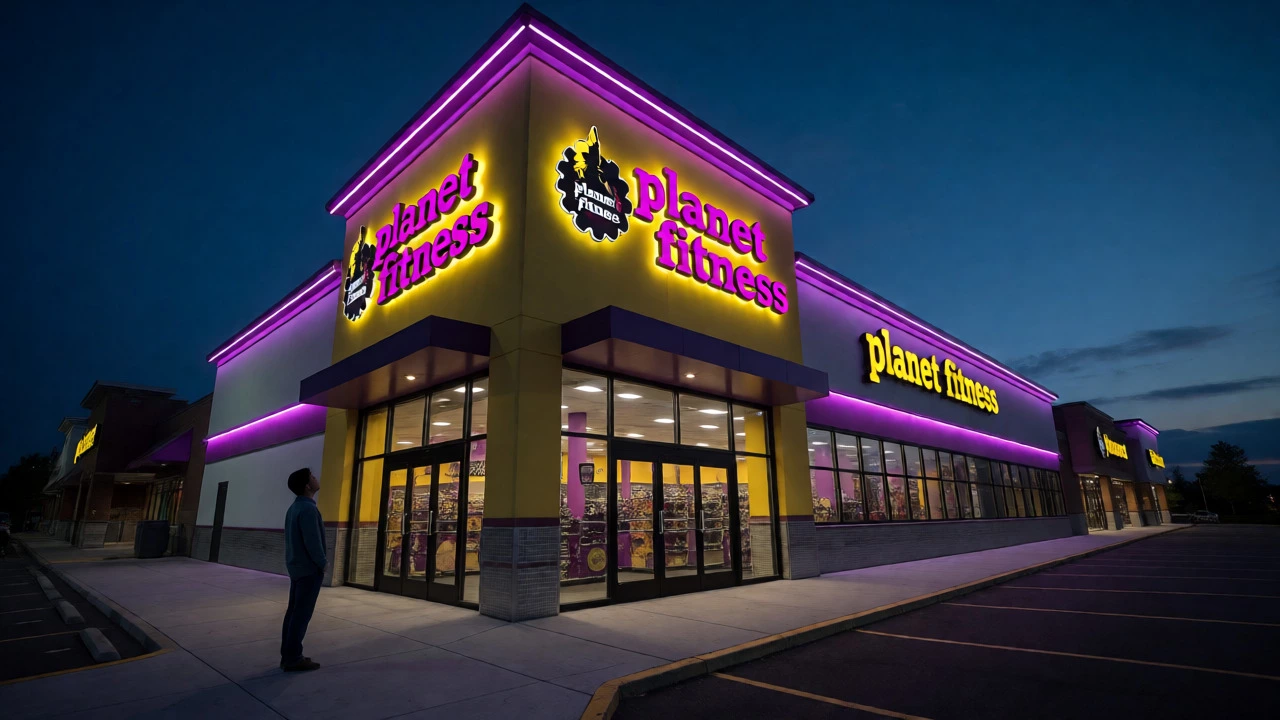
You walk past a Planet Fitness sign glowing neon yellow and purple, and the price tag stops you in your tracks. $10 or $25 a month? In an industry where boutique studios charge $200 for a single class and traditional gyms demand initiation fees that rival a car payment, this seems too good to be true. Or maybe it’s just a trap? If you’ve ever wondered why this chain is so affordable while others break the bank, you’re not alone. The answer isn’t magic; it’s a ruthless, highly optimized business model designed to exploit specific behavioral economics.
| Feature | Planet Fitness | Traditional Gym (e.g., LA Fitness) | Boutique Studio |
|---|---|---|---|
| Monthly Fee | $10 - $25 | $40 - $60 | $150+ (per class) or $300+ (unlimited) |
| Target Audience | Casual users, beginners | Serious athletes, general public | Niche enthusiasts |
| Equipment Quality | Basic, durable, no free weights | Comprehensive, heavy-duty | Specialized (spin bikes, mats) |
| Crowd Density | High during peak hours | Moderate | Low (reservation-based) |
The "Judgement Free" Marketing Strategy
Planet Fitness doesn’t sell fitness; they sell comfort. Their core demographic isn’t the bodybuilder grunting over a deadlift or the CrossFit athlete tracking their WOD times. It’s the person who hasn’t set foot in a gym since high school PE class. By branding themselves as "Judgement Free," they lower the psychological barrier to entry. This marketing angle allows them to cast a massive net. They aren’t trying to win over the elite 10% of gym-goers who know exactly what they need from a rack. They are targeting the 90% who feel intimidated by traditional gym culture. Because their target audience is less likely to use every piece of equipment daily, the gym can oversell memberships without causing logistical chaos.
Overselling Memberships: The Math Behind the Magic
Here is the dirty little secret of the budget gym industry: most people don’t go. Statistically, the average new year’s resolution gym member quits within three months. Planet Fitness knows this. Their business model relies on high volume and low utilization rates. If a gym has a capacity of 1,000 people but sells 10,000 memberships, they assume only about 10-15% will show up at any given time. This concept, known as "breakage" in the industry, means they collect money from members who never use the facility. For a $10 membership, even if only half the members pay consistently, the revenue stream remains stable because the operational costs per user are incredibly low. You are essentially subsidizing the members who actually work out with your annual fee, even if you rarely visit.
Stripped-Down Amenities and Equipment
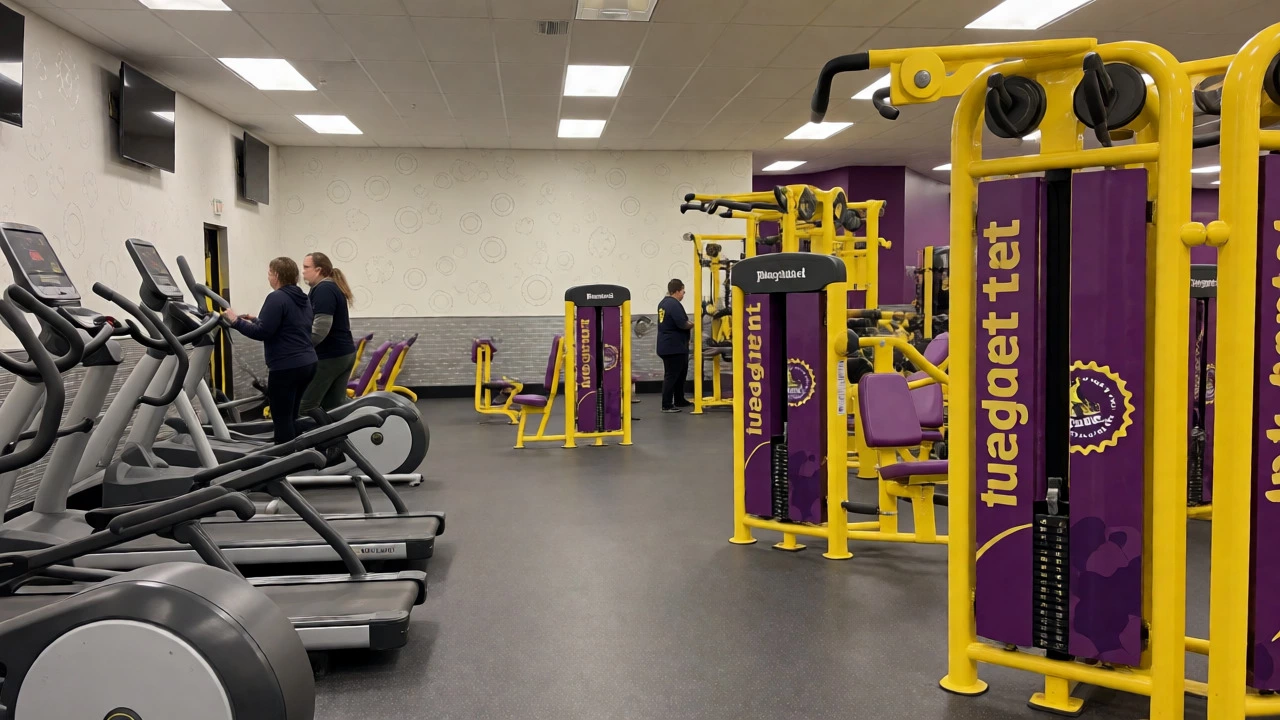
Look closely at the floor plan. You won’t find squat racks, barbells, or heavy dumbbells beyond 75 pounds. Why? Because serious lifters cause wear and tear, require more space, and often intimidate casual users. Planet Fitness removes these variables entirely. They focus on cardio machines, selectorized weight machines, and light dumbbells. These machines are cheaper to maintain than free weights, which require constant replacement due to dropped plates damaging floors and equipment. Furthermore, they skip amenities that drive up overhead. There are usually no pools, no saunas, no basketball courts, and minimal locker room extras like towels or premium toiletries. By stripping the experience down to its barest functional elements, they slash capital expenditure and maintenance costs significantly compared to full-service health clubs.
Labor Costs and Automation
Walk into a Planet Fitness during off-peak hours, and you might see one staff member managing the entire front desk, cleaning duties, and equipment checks. They operate with lean staffing models. Unlike country clubs or luxury spas that employ dedicated concierges, personal trainers on retainer, and extensive cleaning crews, Planet Fitness automates much of the customer service experience. Check-ins are often self-service via kiosks. Cleaning is done by staff but also heavily relied upon by members using provided sprays and wipes. This reduction in labor hours is a direct pass-through savings to the consumer. Labor is typically the highest operating cost for small businesses; by minimizing headcount, Planet Fitness keeps prices rock bottom.
The Annual Fee Trap
If the monthly rate is $10, why does the total bill seem higher? Enter the annual fee. Most Planet Fitness locations charge an annual fee ranging from $39 to $49, billed once a year. This fee is non-negotiable and often catches new members off guard. It acts as a retention tool. Once you’ve paid the annual fee, you are psychologically committed to staying for another year to get your money’s worth, even if you stop going after two months. Additionally, there are often minor administrative fees for card processing or registration. When you calculate the effective monthly cost including the annual fee spread over twelve months, a "$10" membership is actually closer to $13-$14. It’s still cheap, but transparency matters when comparing value against competitors.

Real Estate and Franchise Economics
Planet Fitness operates primarily through franchising. This shifts the financial risk from the corporate headquarters to individual franchise owners. Franchisees secure leases in suburban areas or strip malls where rent is significantly lower than urban centers. A typical Planet Fitness occupies 20,000 to 40,000 square feet, but unlike a big-box retailer, they don’t need prime visibility on a main highway exit-just enough signage to catch local traffic. Lower rent per square foot translates directly to lower membership prices. Moreover, because the brand is standardized, construction costs are predictable and controlled. The corporate entity earns royalties from franchisees, creating a scalable revenue model that doesn’t depend solely on maximizing profit per member, but rather on maximizing the number of locations and members globally.
Is It Worth It for You?
Deciding whether Planet Fitness is the right fit depends entirely on your fitness goals. If you want to build significant muscle mass, train for powerlifting, or enjoy group classes with specialized instructors, this gym will frustrate you. The lack of free weights and heavy resistance options limits progressive overload capabilities. However, if your goal is general health, cardiovascular endurance, or simply establishing a habit of moving regularly without breaking the budget, the value proposition is undeniable. It serves as a gateway drug to fitness. Many users start here to build confidence and consistency before transitioning to more specialized facilities later.
Can I cancel my Planet Fitness membership anytime?
No, most contracts require cancellation in writing or in person at your home club, often before a specific cutoff date each month. Some plans allow online cancellation, but many require a physical visit, which can be a hurdle if you move away.
Do Planet Fitness locations have showers?
Yes, most locations include basic locker rooms with showers. However, amenities vary by location. You may need to bring your own towel, soap, and shampoo, as these are not always provided.
What is the Black Card membership worth?
The Black Card offers access to all locations nationwide, guest privileges, tanning beds, hydro-massage chairs, and discount on drinks. It’s worth it if you travel frequently or want extra recovery tools, but strictly for lifting, the base plan suffices.
Why do they ban certain exercises?
The "Lunk Alarm" discourages behaviors perceived as intimidating, such as dropping weights loudly or grunting excessively. This policy reinforces their "Judgement Free" brand identity, though critics argue it alienates experienced lifters.
Are there hidden fees besides the annual fee?
Occasionally, there are small enrollment fees or charges for lost key tags. Always read the fine print regarding auto-renewal dates and potential price increases, which can occur annually.