Will 20 Minutes of Yoga a Day Make a Difference? Real Results and Benefits
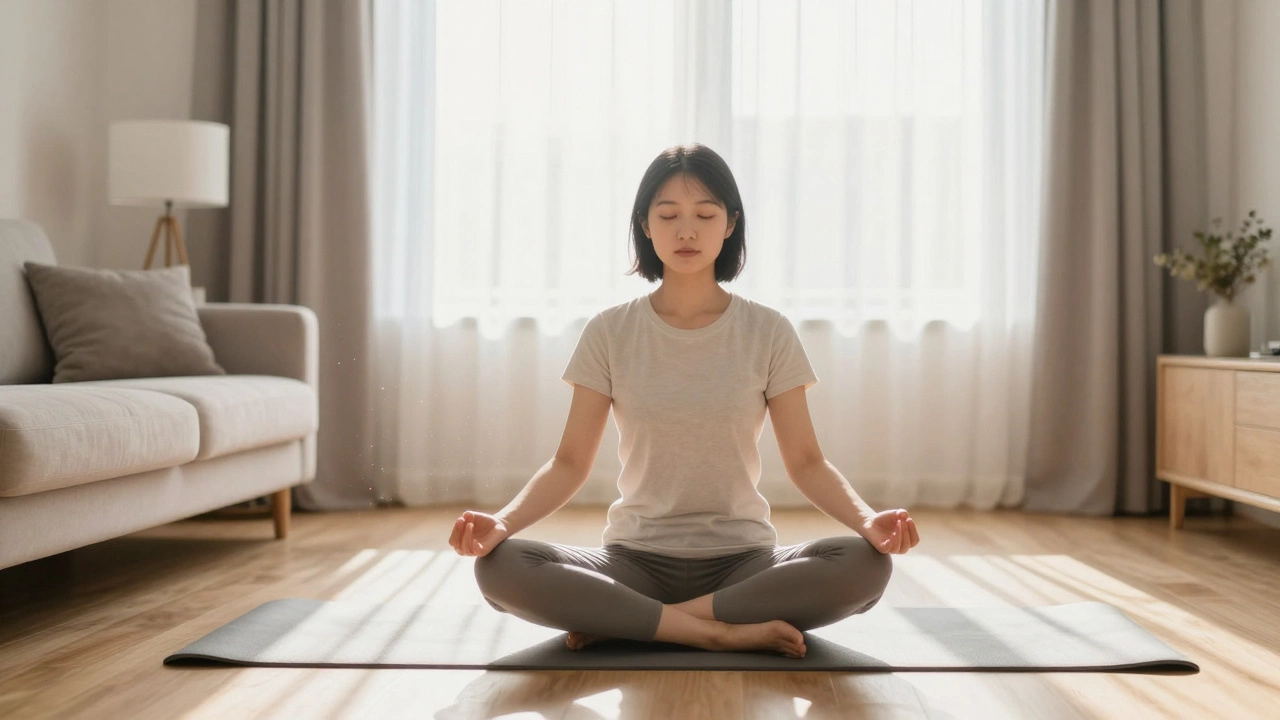
Daily Yoga Progress Tracker
Calculate how your body and mind will change by committing to just 20 minutes a day.
Your Benefit Timeline
Breathing Control
Deeper, more controlled breaths during exercise and rest.
Flexibility
Easier reach to toes, reduced stiffness in hips and shoulders.
Posture
Stronger core engagement, less slouching while sitting.
Muscle Tone
Noticeable definition in arms and legs from holding poses.
You don’t need to hold your breath in a pretzel shape for an hour to feel better. In fact, science suggests that consistency beats intensity when it comes to yoga. If you’ve been putting off starting because you think you need two hours of free time, stop right there. The real question isn’t whether yoga works-it does. The question is whether 20 minutes of yoga a day is enough to change how you feel, move, and think.
The short answer is yes. A daily twenty-minute session can significantly improve your flexibility, reduce stress levels, and even boost your immune system. But to get those results, you have to do it right. It’s not just about throwing on some music and stretching randomly. It’s about intentional movement and breathing.
The Science Behind the Short Session
We often fall into the trap of thinking that fitness requires suffering or massive time commitments. This is especially true with yoga, where we see images of yogis holding complex poses for minutes at a time. However, research published in journals like *The Journal of Alternative and Complementary Medicine* shows that shorter, consistent practices yield significant physiological changes.
When you practice yoga for just 20 minutes, you trigger the parasympathetic nervous system. This is your body’s "rest and digest" mode. By slowing down your breath and engaging in mindful movement, you lower cortisol levels-the primary stress hormone. Lower cortisol means less inflammation, better sleep, and a calmer mind. You aren’t just stretching muscles; you are hacking your biology to recover faster from daily stressors.
Furthermore, a study involving participants who practiced yoga for 15 to 30 minutes daily over several weeks showed measurable improvements in balance and joint mobility. These aren’t minor tweaks. For someone dealing with chronic back pain or stiffness from sitting at a desk all day, these changes can be life-altering.
Physical Changes: Flexibility and Strength
Let’s talk about what happens to your body physically. Twenty minutes might not sound like much, but if you focus on specific areas, the compound effect is powerful. Think of it like brushing your teeth. You don’t brush for an hour once a week; you brush for two minutes every day. The same logic applies to your muscles and joints.
| Benefit Area | Timeline | What to Expect |
|---|---|---|
| Flexibility | 2-4 Weeks | Easier reach to toes, reduced stiffness in hips and shoulders. |
| Posture | 3-6 Weeks | Stronger core engagement, less slouching while sitting. |
| Muscle Tone | 6-8 Weeks | Noticeable definition in arms and legs from holding poses. |
| Breathing Capacity | Immediate | Deeper, more controlled breaths during exercise and rest. |
One of the biggest misconceptions is that yoga is only for flexible people. Actually, yoga makes you flexible. If you start with tight hamstrings, a daily routine focusing on forward folds and lunges will gradually lengthen those tissues. Over time, you’ll find yourself moving through your day with less friction. Getting out of bed, tying your shoes, or reaching for high shelves becomes easier because your range of motion has expanded.
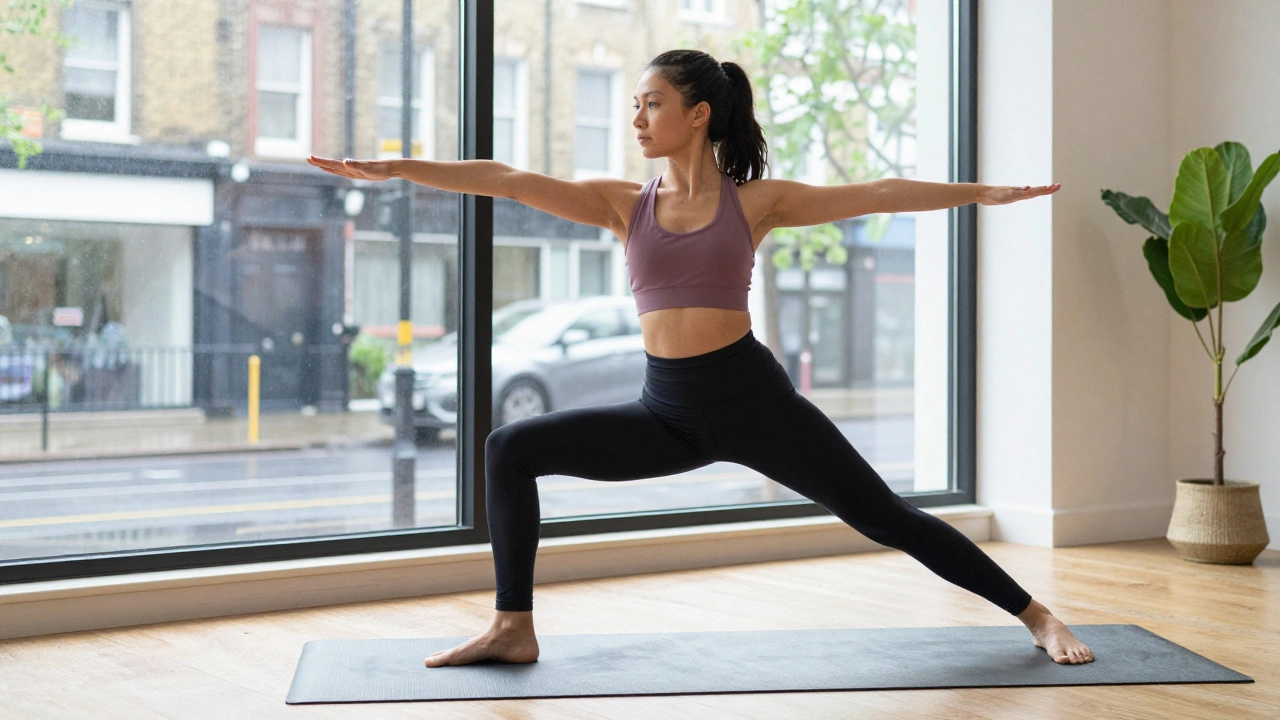
Strength is another hidden benefit. Poses like Plank, Downward-Facing Dog, and Warrior II require you to support your own body weight. Doing these for just five minutes a day builds functional strength. This isn’t bulk; it’s lean, resilient muscle that protects your joints and supports your spine.
Mental Health: More Than Just Stretching
If physical gains are the cherry on top, mental clarity is the cake. Modern life is noisy. We are constantly bombarded by notifications, emails, and deadlines. A 20-minute yoga session creates a forced pause. It is a sanctuary where the only thing that matters is your next breath.
This practice cultivates mindfulness. When you focus on aligning your feet in Tree Pose or balancing on one leg, your brain cannot worry about that meeting you had this morning. You are pulled into the present moment. Neuroscientists call this "attentional control." Regular practice strengthens the prefrontal cortex, the part of your brain responsible for decision-making and emotional regulation.
Many people report feeling less anxious after just one week of daily short sessions. Why? Because you are teaching your nervous system that it is safe to relax. You are building a toolkit for stress management that you can use anywhere, not just on your mat. If you feel panic rising at work, you can take three deep, conscious breaths-just like you did in yoga-and calm your heart rate.
Designing Your 20-Minute Routine
So, how do you structure 20 minutes to get the most out of it? You don’t need a fancy studio or expensive equipment. You just need a plan. Here is a simple framework that covers all bases:
- Centering (2 minutes): Sit comfortably. Close your eyes. Focus on your breath. Set an intention for your practice. This shifts your mindset from "doing" to "being."
- Warm-Up (5 minutes): Start with gentle movements. Cat-Cow stretches to mobilize the spine, neck rolls, and wrist circles. This prepares your joints for deeper work.
- Standing Poses (8 minutes): Build heat and strength. Move through Sun Salutations, Warrior I and II, and Triangle Pose. Keep moving fluidly between poses.
- Cool Down & Floor Work (3 minutes): Slow down. Try Child’s Pose, Seated Forward Fold, or a gentle twist. This releases tension accumulated during the standing sequence.
- Savasana (2 minutes): Lie flat on your back. Let go completely. This integration phase allows your body to absorb the benefits of the practice.
You can repeat this routine daily, or vary it slightly to keep things interesting. The key is consistency. If you miss a day, don’t beat yourself up. Just pick it up the next day. The goal is progress, not perfection.
Common Pitfalls to Avoid
Even with a great plan, beginners often make mistakes that hinder their progress. Here are three common traps to watch out for:
- Comparing Yourself to Others: Social media is full of perfect yoga photos. Remember, everyone’s body is different. Your version of Pigeon Pose might look nothing like an instructor’s, and that’s okay. Focus on how it feels, not how it looks.
- Holding Your Breath: This is the number one mistake. If you’re gasping for air, you’re pushing too hard. Yoga is as much about breath as it is about movement. Keep your breathing steady and rhythmic.
- Ignoring Pain: Discomfort is normal; sharp pain is not. If you feel a pinch in your knee or shoulder, back off. Use props like blocks or straps if needed. Listening to your body prevents injury and builds trust in your practice.

Who Benefits Most?
While anyone can benefit from yoga, certain groups see dramatic improvements with short daily sessions. Desk workers, for example, suffer from "tech neck" and tight hip flexors. A quick evening routine can counteract the effects of sitting all day. Students dealing with exam anxiety find that morning yoga clears their minds and improves focus. Older adults often discover that gentle yoga maintains their balance and independence longer than they expected.
If you are new to fitness, yoga is a low-impact way to build a habit without the intimidation of heavy weights or high-intensity cardio. It meets you where you are. Whether you are stiff, sore, or stressed, there is a pose for you.
Making It Stick
The hardest part of any new habit is starting. To make 20 minutes of yoga a non-negotiable part of your day, try habit stacking. Attach your yoga practice to an existing routine. Do it right after you brush your teeth in the morning, or immediately after you get home from work. Place your yoga mat in a visible spot so you’re reminded to use it.
Also, track your progress. Not just in terms of flexibility, but in how you feel. Keep a simple journal. Note your energy levels, mood, and sleep quality. Over time, you’ll see patterns emerge. You’ll notice that days you skip yoga feel heavier, while days you practice feel lighter. This positive reinforcement keeps you motivated.
Remember, you don’t need to be perfect. You just need to show up. Twenty minutes is a small investment for a huge return. Your body and mind will thank you.
Is 20 minutes of yoga enough to lose weight?
Yoga alone is not a high-calorie burner compared to running or HIIT. However, it can support weight loss by reducing stress-related eating, improving metabolism through muscle toning, and increasing mindfulness around food choices. For best results, combine your yoga practice with a balanced diet and other forms of cardiovascular exercise.
Can I do yoga every day without resting?
Yes, gentle yoga can be done daily. In fact, many traditions encourage daily practice. However, listen to your body. If you feel exhausted or sore, opt for a restorative or yin yoga session instead of a vigorous flow. Rest is also a form of practice.
What is the best time of day to do 20 minutes of yoga?
The best time is whenever you can consistently do it. Morning yoga can energize you and set a positive tone for the day. Evening yoga helps unwind the body and prepare for sleep. Choose the time that fits your schedule and stick to it.
Do I need special equipment for a 20-minute routine?
No, you only need a comfortable space and a yoga mat (or a towel). Props like blocks, straps, and bolsters are helpful for beginners to modify poses, but they are not essential. You can use household items like books or belts as substitutes.
How long does it take to see results from daily yoga?
Most people notice improved mood and relaxation within the first week. Physical changes like increased flexibility and better posture typically become noticeable after 3 to 4 weeks of consistent practice. Long-term benefits like muscle tone and significant stress reduction develop over months.