Eating More Protein: What Actually Happens to Your Body?

Protein Impact & Hydration Calculator
Nutritional Impact Estimator
Pro Tip: To avoid digestive issues, increase your intake gradually and ensure you include fiber-rich vegetables to maintain gut health.
Enter your protein values and click calculate to see the biological impact.
Quick Summary of Key Effects
- Metabolic Boost: Your body burns more calories digesting protein than fats or carbs.
- Appetite Control: Protein suppresses ghrelin, the 'hunger hormone.'
- Muscle Recovery: Increased amino acids speed up the repair of exercise-induced micro-tears.
- Blood Sugar Stability: Protein slows the absorption of glucose into the bloodstream.
The Immediate Shift in Hunger and Cravings
The first thing you'll notice when you stop relying on toast or cereal and start prioritizing protein is that you stop thinking about food every two hours. This happens because Protein is a macronutrient composed of amino acids that serves as the primary building block for tissues and enzymes. Unlike simple carbohydrates, protein takes longer to break down. This slower digestion keeps you full for longer.
There is a specific biological process at play here involving Ghrelin, the hormone that tells your brain you're hungry. When you eat a high-protein meal, your body suppresses ghrelin more effectively than when you eat fats or carbs. You might find that those 3 PM sugar cravings simply vanish because your blood sugar isn't crashing. Instead of a spike and a dip, you get a steady stream of energy. Have you ever noticed how a bowl of fruit leaves you hungry an hour later, but three eggs keep you satisfied until lunch? That's the protein effect in action.
The Metabolic Engine and Thermic Effect
Eating more protein actually makes your body work harder just to exist. This is known as the Thermic Effect of Food, or TEF. Every time you eat, your body spends energy to break down that food. Protein has a significantly higher TEF than other nutrients. While fats and carbs require very little energy to process, protein requires a massive amount of effort from your digestive system.
In a practical sense, this means if you eat 300 calories of protein, your body might use 60 to 100 of those calories just to digest it. Compare that to fats, where the energy cost is minimal. This creates a natural caloric deficit without you having to eat less food. If you're focusing on high protein diet goals, this metabolic advantage is a huge win for maintaining a lean physique. It's not that protein 'burns fat' directly, but it makes your body an inefficient burner of calories, which is exactly what you want when trying to lean out.
Muscle Repair and the Role of Amino Acids
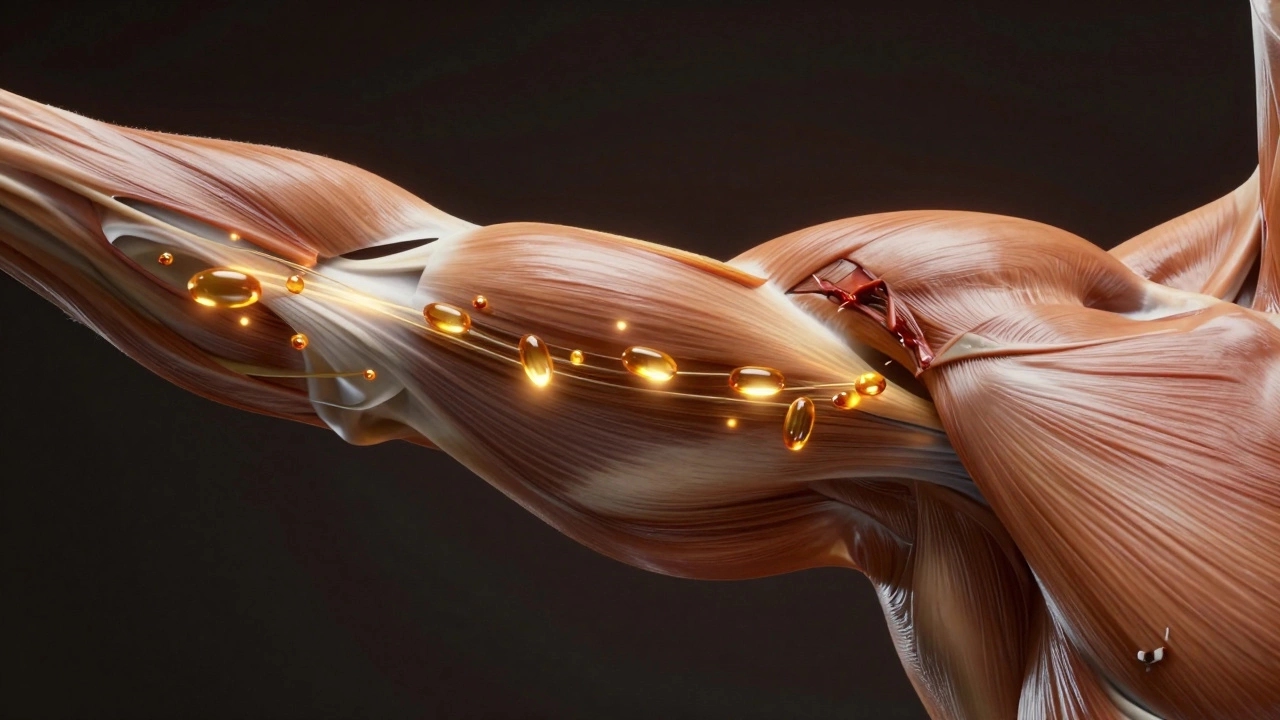
If you're hitting the gym, increasing protein is where the real magic happens. When you lift weights, you aren't actually growing muscle in the gym; you're creating tiny rips in the muscle fibers. The growth happens during recovery, and that's where Amino Acids come in. These are the individual building blocks that make up protein. Specifically, Leucine acts as a trigger for muscle protein synthesis.
When you increase your intake, you ensure there's a constant supply of these building blocks in your bloodstream. This reduces the time you spend feeling sore-known as DOMS (Delayed Onset Muscle Soreness)-and allows you to train harder more often. Many people use Protein Shakes, such as Whey Protein, because they provide a fast-absorbing dose of amino acids immediately after a workout. This rapid delivery helps 'flip the switch' from muscle breakdown to muscle growth faster than a solid meal might.
| Source | Protein per 100g | Absorption Speed | Primary Benefit |
|---|---|---|---|
| Whey Protein | ~75-80g (powder) | Fast | Post-workout recovery |
| Chicken Breast | ~31g | Medium | Sustained fullness |
| Eggs | ~13g | Medium | High bioavailability |
| Greek Yogurt | ~10g | Medium-Fast | Probiotics + Protein |
| Lentils | ~9g | Slow | Fiber + Protein |
It is worth noting that not all protein is created equal. Animal proteins are generally "complete," meaning they contain all nine essential amino acids your body can't make on its own. Plant proteins often lack one or two, which is why vegetarians often mix beans and rice to get a full profile.
What Happens to Your Digestion?
This is where things can get tricky. If you go from 40g of protein a day to 150g overnight, your gut might protest. Protein doesn't contain fiber, so if you replace your vegetables and grains with nothing but steak and shakes, you're going to experience constipation. Your digestive tract needs fiber to push waste through; without it, things slow down significantly.
You might also notice a change in your breath or sweat. When the body consumes more protein than it can use for muscle and repair, it starts burning amino acids for energy. This process produces ketones. For some people, this results in a distinct "keto breath" or a metallic smell. It's not a sign of kidney failure-which is a common myth-but rather a sign that your body is shifting its fuel source. As long as you're drinking plenty of water, this is generally harmless.
The Impact on Long-Term Body Composition
Over several weeks and months, the cumulative effect of higher protein is a change in your body's lean mass ratio. Because protein protects muscle tissue, you're less likely to lose muscle during a calorie deficit. This is critical because muscle is metabolically active tissue. The more muscle you keep, the higher your resting metabolic rate remains.
You'll likely see a reduction in "skinny fat" symptoms. Many people lose weight but still look soft because they lost muscle along with the fat. By prioritizing protein, you signal to your body to keep the muscle and burn the stored fat instead. This leads to a firmer, more toned appearance and better strength gains. You aren't just losing weight; you're changing the actual makeup of your body.
Common Pitfalls and How to Avoid Them
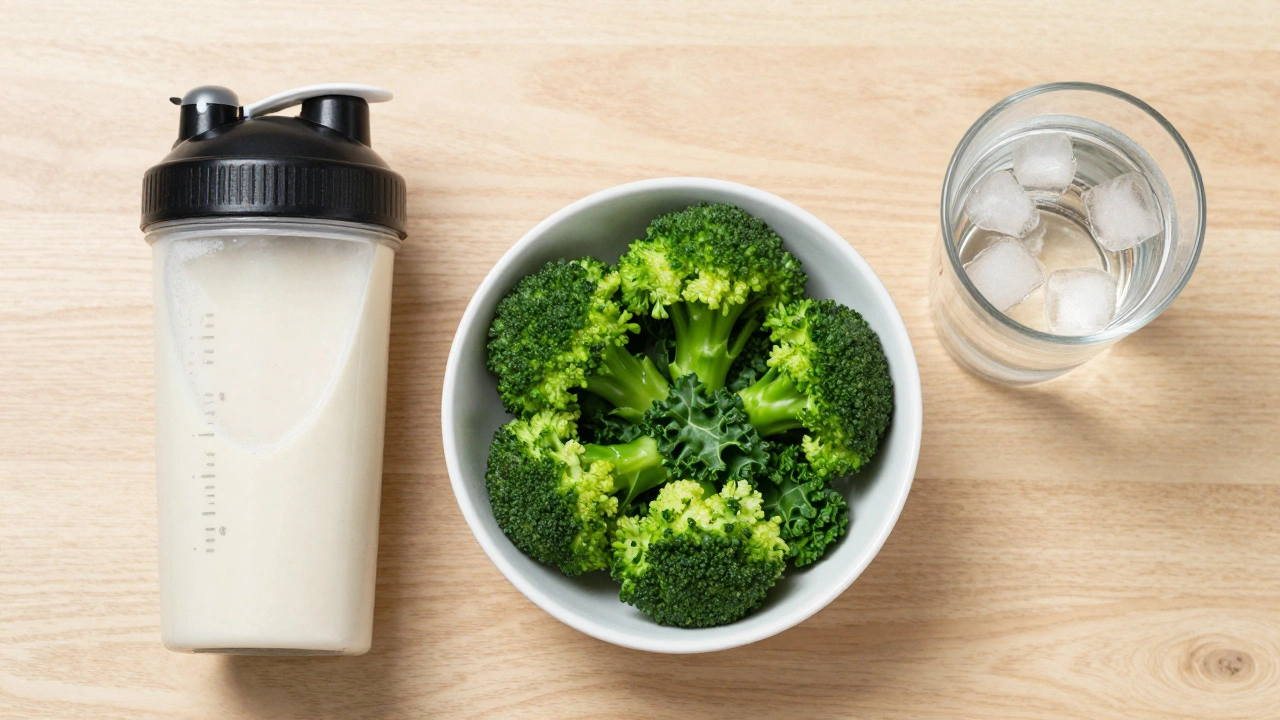
The biggest mistake people make is ignoring hydration. Processing protein produces urea, which is filtered by the kidneys. To do this efficiently, your body needs significantly more water. If you increase your protein but keep your water intake the same, you'll likely feel sluggish, get headaches, or even see a rise in blood pressure. A good rule of thumb is to add an extra glass of water for every 20g of protein you add to your daily total.
Another trap is the "protein only" mindset. While protein is great, your brain still needs fats for hormone production and carbs for high-intensity energy. If you cut out all carbs to make room for more protein, you might find your gym performance tanking. The goal is a balance where protein is the foundation, but fats and carbs provide the necessary support. Don't forget the greens-broccoli, spinach, and kale provide the micronutrients that help your body actually absorb the protein you're eating.
Will eating too much protein damage my kidneys?
For healthy individuals, there is no evidence that a high-protein diet causes kidney damage. However, if you have pre-existing kidney disease, the extra load of nitrogen and urea can be stressful. Always check with a doctor if you have a history of renal issues before drastically increasing your intake.
When is the best time to drink a protein shake?
While the "anabolic window" is often exaggerated, having a shake within 2 hours after a workout is ideal for recovery. However, the total amount of protein you eat in a 24-hour period is far more important for muscle growth than the exact timing of a single shake.
Can I get too much protein?
Yes, though it's hard for most people. Excess protein is simply converted into glucose or stored as fat if you're in a large calorie surplus. The real danger isn't the protein itself, but the displacement of other nutrients; if you eat so much protein that you stop eating fiber and healthy fats, your health will suffer.
Do I need to eat protein at every meal?
It's highly recommended. Your body cannot store protein the way it stores fat or carbs. By spreading protein across 3-5 meals, you keep muscle protein synthesis elevated throughout the day, which leads to better recovery and more consistent energy levels.
Why do I feel bloated after drinking protein shakes?
Most often, this is due to lactose intolerance. Many whey proteins are derived from milk. If you experience bloating, try a whey isolate (which has less lactose) or a plant-based protein like pea or rice protein.
Next Steps for Your Journey
If you're just starting out, don't try to hit 200g of protein on day one. Start by adding a protein source to your breakfast-like Greek yogurt or eggs-and see how your energy changes. Once you're comfortable, integrate a protein shake into your post-workout routine. Monitor your digestion and water intake closely. If you feel sluggish, increase your water and add more leafy greens to your plate. The goal is a sustainable shift in your eating habits, not a crash diet that leaves you feeling bloated and tired.