How Long Does It Take to See Results from Strength Training?

When you start strength training, you don’t just want to lift heavier-you want to see it. You want to look in the mirror and notice changes. You want your clothes to fit differently. You want to feel stronger, not just in the gym, but in your daily life. So how long does it actually take?
First Week: What You’ll Notice (It’s Not Muscle)
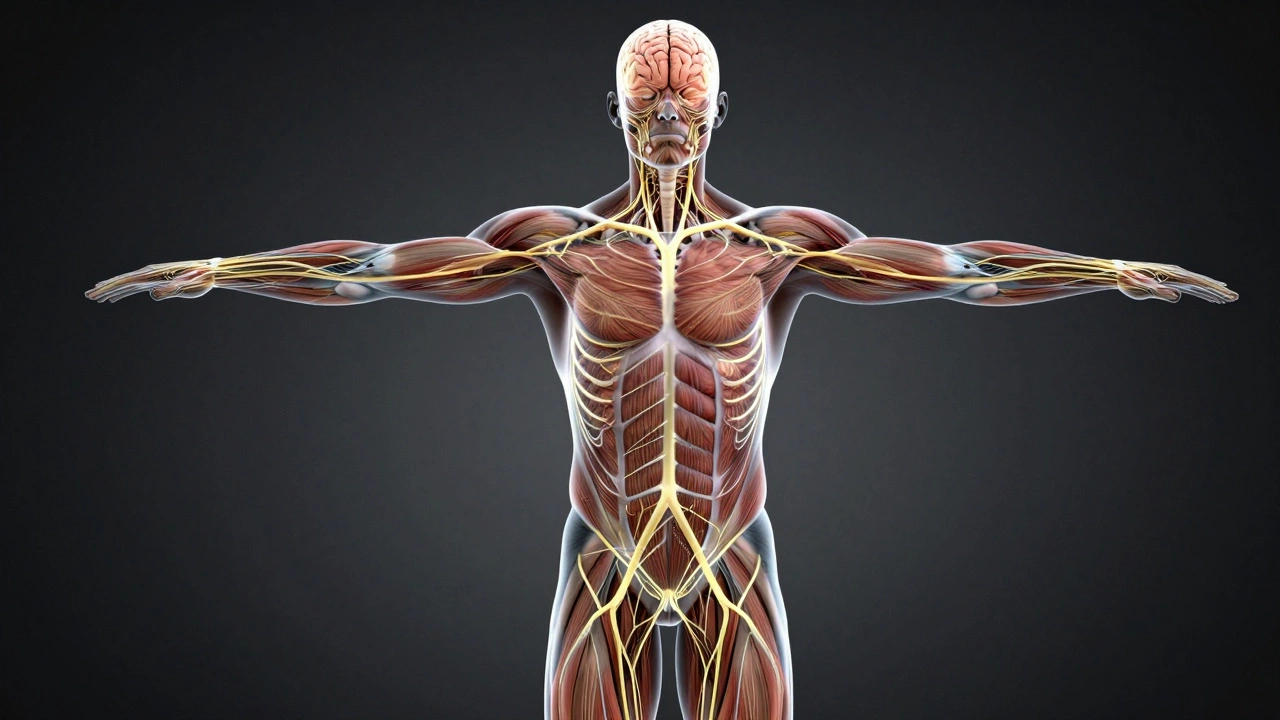
In the first seven days, you won’t see bigger arms or a tighter stomach. But you’ll feel something else: your body waking up. Your shoulders might stop hunching when you sit. Your knees won’t creak as much climbing stairs. You’ll sleep deeper. These aren’t muscle gains-they’re neurological adaptations. Your brain is learning how to fire more muscle fibers with less effort. That’s why you can do one more rep on day five than you could on day one, even though the weight hasn’t changed.This is called motor unit recruitment. A 2023 study in the Journal of Strength and Conditioning Research found that beginners improve strength by 20-30% in the first four weeks-mostly because their nervous system gets better at using what they already have. You’re not gaining muscle yet. You’re becoming more efficient.
Weeks 2-6: The Hidden Shift
By week three, your muscles start to feel fuller. Your biceps might look a little rounder after a workout. Your quads feel tighter when you squat. This is early muscle hypertrophy-tiny tears in the fibers that begin to repair and swell. You’re still not seeing dramatic changes, but your body is laying the groundwork.At this stage, you’re also burning more calories at rest. Muscle tissue needs energy to maintain itself. Even a pound of new muscle burns about 6-10 extra calories per day. That adds up. A 2024 meta-analysis in Medicine & Science in Sports & Exercise showed that people who trained twice a week for six weeks increased their resting metabolic rate by an average of 7%.
What you’re seeing now isn’t bulk-it’s definition. Your fat layer hasn’t shrunk yet, but your muscles are becoming more visible under it. If you’re training consistently and eating enough protein (at least 1.6 grams per kilogram of body weight), your body is doing the work behind the scenes.
Weeks 7-12: The First Visible Results
This is when most people start noticing real changes. Around the 8-week mark, friends begin to comment. Your shirt sleeves feel looser. Your jeans sit differently at the waist. You catch yourself looking in the mirror longer than usual.By week 12, you can expect:
- 2-5 pounds of lean muscle gain (for men, slightly less for women due to testosterone levels)
- Visible muscle tone in arms, shoulders, and legs
- Improved posture and core stability
- Strength increases of 40-60% from baseline
These numbers aren’t magic. They’re averages. Someone lifting heavy compound lifts-squats, deadlifts, bench presses-three times a week will see faster results than someone doing light machines twice a week. Progress isn’t linear. Some weeks you’ll feel like you’re stuck. Others, you’ll surprise yourself.
3-6 Months: The Transformation Phase
If you stick with it, the real transformation kicks in between three and six months. Your body composition shifts noticeably. Fat starts to drop, especially around the midsection, because muscle burns more energy. Your strength keeps climbing-maybe you’re now squatting your bodyweight, or deadlifting 1.5 times what you started with.Women often see tighter arms, a firmer glute line, and a flatter stomach. Men typically notice broader shoulders, defined chest, and more visible abs-not because they’re doing crunches, but because their overall body fat dropped and muscle grew underneath.
A 2025 longitudinal study tracking 200 beginners over six months found that those who trained consistently (at least 3x/week) and ate adequate protein gained an average of 8-12 pounds of lean muscle. That’s not just aesthetic-it’s functional. Carrying groceries, playing with kids, climbing stairs-all become easier.
What Slows Progress Down?
You might be doing everything right-lifting, eating, sleeping-and still not seeing results. Here’s what’s usually missing:- Not lifting heavy enough: If you can do 15 reps easily, you’re not challenging your muscles. Aim for 6-12 reps per set with a weight that makes the last 2-3 reps hard.
- Not recovering enough: Muscles grow when you rest, not when you lift. Missing sleep or skipping rest days stalls progress.
- Eating too little protein: Your body needs amino acids to rebuild muscle. Less than 1.2g per kg of body weight? You’re underfueling.
- Doing the same workout: Your body adapts fast. If your routine hasn’t changed in 6 weeks, you’re not progressing.
Also, don’t compare yourself to social media influencers. Most of them have been training for years, use supplements, or have genetic advantages. Your journey is yours alone.
How to Track Real Progress (Beyond the Scale)
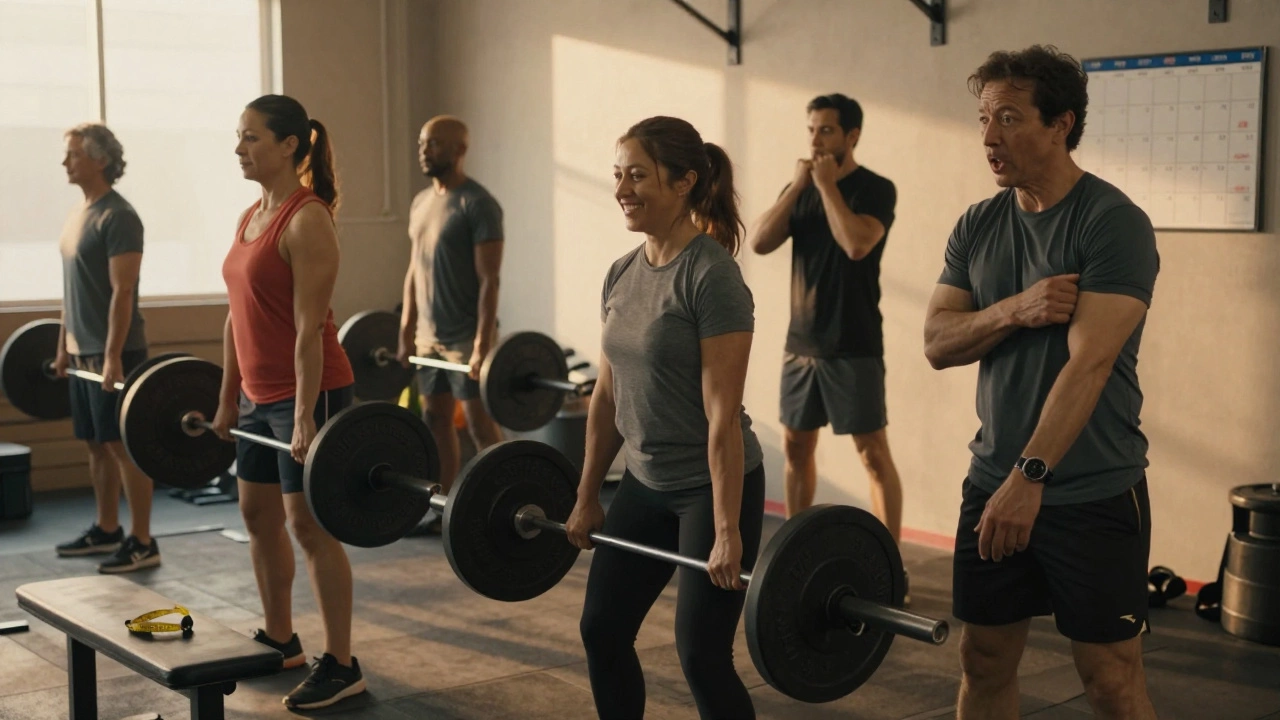
The scale doesn’t tell the whole story. Muscle weighs more than fat. You might gain weight and still look leaner. Here’s how to track real progress:- Take progress photos: Same lighting, same clothes, same time of day-every 4 weeks.
- Measure circumference: Use a tape measure on your arms, chest, waist, and thighs. Even a 0.5-inch change matters.
- Track strength: Write down your lifts. Did you add 5 pounds to your bench? That’s progress.
- Notice daily function: Can you carry two grocery bags now instead of one? Can you get up from the floor without using your hands? These are wins.
One client I worked with in Bristol lost 12 pounds of fat and gained 7 pounds of muscle over five months. Her weight stayed the same. But her clothes changed size. That’s the kind of result that lasts.
When to Expect Real Changes: A Quick Timeline
Here’s what you can realistically expect:| Timeframe | What You’ll Notice | What’s Happening |
|---|---|---|
| Days 1-7 | More energy, better sleep, less fatigue | Nervous system adapts; brain learns to recruit muscles better |
| Weeks 2-6 | Muscles feel fuller, tighter clothes | Early muscle repair begins; metabolism starts rising |
| Weeks 7-12 | Visible muscle tone, friends notice changes | Lean muscle gain begins; fat starts to reduce |
| 3-6 Months | Significant body recomposition, strength gains | Consistent training leads to measurable muscle growth and fat loss |
| 6+ Months | Transformed physique, sustainable strength | Results become permanent with continued effort |
What If You Don’t See Results?
If you’ve trained for 12 weeks and see no change, ask yourself:- Are you lifting with enough intensity? (Are you failing on the last rep?)
- Are you eating enough protein? (Try 20-30g per meal, 4 times a day.)
- Are you sleeping 7+ hours? (Muscle repair peaks during deep sleep.)
- Are you stressing your muscles differently? (Try adding one new exercise every 3 weeks.)
If you’re still stuck, consider a short deload week-reduce weight by 40% and focus on form. Sometimes your body just needs a reset.
Final Thought: It’s Not About Speed. It’s About Consistency.
Strength training isn’t a sprint. It’s a slow burn. The people who look like they “got lucky” are the ones who showed up when no one was watching. They didn’t quit when progress stalled. They didn’t compare themselves to someone else’s year-two photo.Start today. Keep going. In 12 weeks, you’ll look back and wonder why you waited so long to begin.
Can I see results from strength training in 2 weeks?
You won’t see visible muscle growth in two weeks, but you will notice improvements in energy, posture, and strength. Your nervous system gets better at activating muscles, so you’ll feel stronger even if your body hasn’t changed yet. Real physical changes usually start showing between 4-8 weeks.
Do women see results from strength training as fast as men?
Women build muscle at a similar rate to men when training properly, but they typically gain less absolute muscle mass due to lower testosterone levels. However, women often see faster improvements in tone, definition, and strength relative to their starting point. The timeline for visible changes is nearly identical-around 6-12 weeks with consistent effort.
Will strength training help me lose belly fat?
Strength training alone won’t spot-reduce belly fat, but it helps you lose fat overall by increasing muscle mass, which raises your resting metabolism. Combined with a slight calorie deficit, strength training is one of the most effective ways to lose belly fat while keeping muscle. Studies show people who lift weights lose more fat and retain more muscle than those who only do cardio.
How often should I strength train to see results?
Training 2-3 times per week is enough for beginners to see results. Each session should target all major muscle groups-legs, back, chest, shoulders, arms, and core. More than 4-5 times a week isn’t necessary early on and can lead to overtraining. Recovery is just as important as the workout.
Is it too late to start strength training if I’m over 40?
Absolutely not. Muscle loss accelerates after 40, but strength training reverses it. People in their 50s and 60s who start lifting can gain muscle and strength just as effectively as younger adults. The key is starting slowly, focusing on form, and being consistent. Many older adults report improved mobility, balance, and independence after just a few months.
Do I need supplements to see results from strength training?
No. Supplements like protein powder or creatine can help, but they’re not required. You can get all the protein you need from whole foods like eggs, chicken, fish, beans, and Greek yogurt. Creatine may boost strength gains slightly, but the biggest factor is still consistent training and proper nutrition.