How to Lose Belly Fat in 2 Weeks: Realistic Expectations & Action Plan
2-Week Belly Fat Loss Calculator
Let’s get one thing straight immediately: you cannot spot-reduce fat. If you do a thousand crunches today, your body will not decide to burn the fat specifically from your midsection tomorrow. Biology doesn’t work that way. However, you *can* create a metabolic environment where your body is forced to tap into its fat stores-including stubborn belly fat-for fuel within a two-week window.
The goal here isn’t magic; it’s physics and physiology. To lose visible belly fat in 14 days, you need to combine aggressive caloric control with high-intensity movement and stress management. This guide cuts through the noise of fad diets and gives you the science-backed steps to shrink your waistline safely and effectively.
The Truth About Visceral vs. Subcutaneous Fat
Before you start counting reps, you need to understand what you’re fighting. There are two main types of belly fat, and they behave differently.
Subcutaneous fat is the pinchable layer of fat directly under your skin. It’s the kind that creates soft rolls around your waistline. While annoying, it’s relatively harmless to your long-term health.
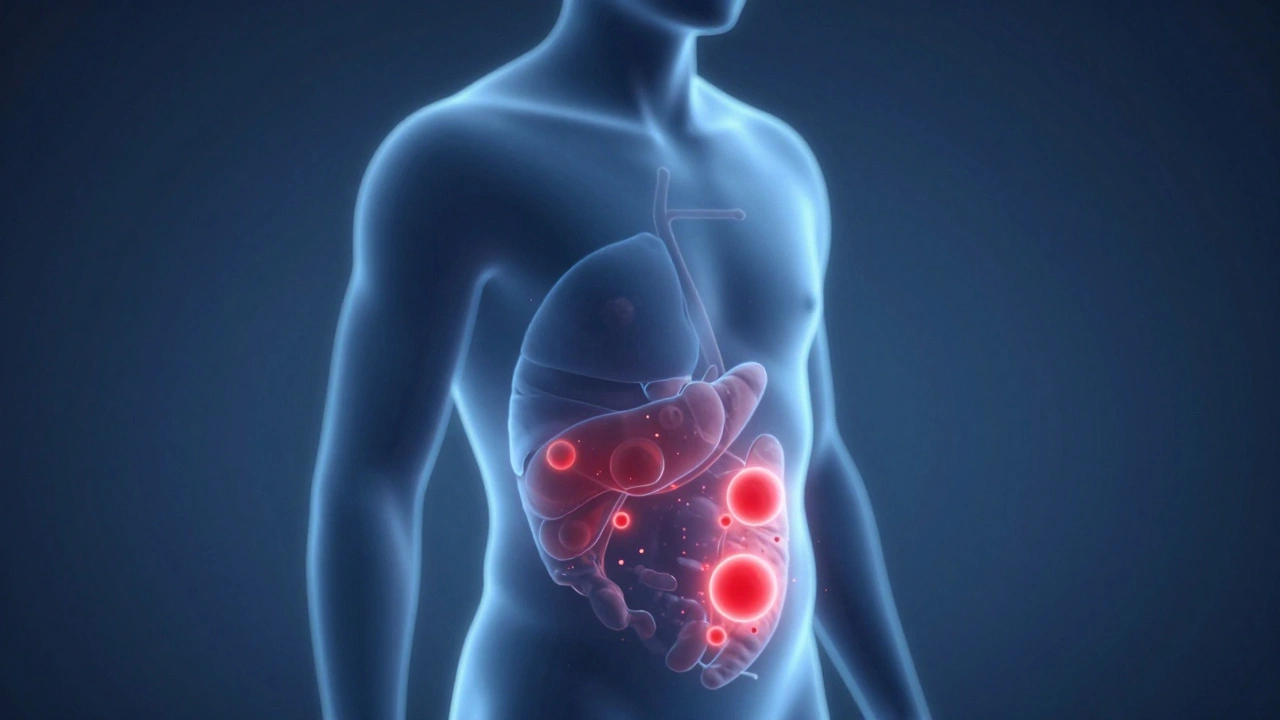
Visceral fat is deep-seated fat that surrounds your internal organs like the liver and intestines. This type is metabolically active, meaning it releases inflammatory chemicals that can increase your risk of heart disease and type 2 diabetes. The good news? Visceral fat is often the first to go when you start making lifestyle changes because it’s highly responsive to hormonal shifts.
To lose both in two weeks, you need a strategy that targets insulin levels and cortisol (stress hormone). High insulin locks fat cells shut. High cortisol encourages your body to store fat specifically in the abdominal area. Your two-week plan must address both.
Nutrition: The 80% Rule
You can exercise until you drop, but if your diet is off, your belly fat stays put. In fact, nutrition accounts for roughly 80% of your results in a short timeframe like this. You don’t need to starve yourself, but you do need to be strategic.
| Category | Prioritize (Eat More) | Avoid (Cut Out Completely) |
|---|---|---|
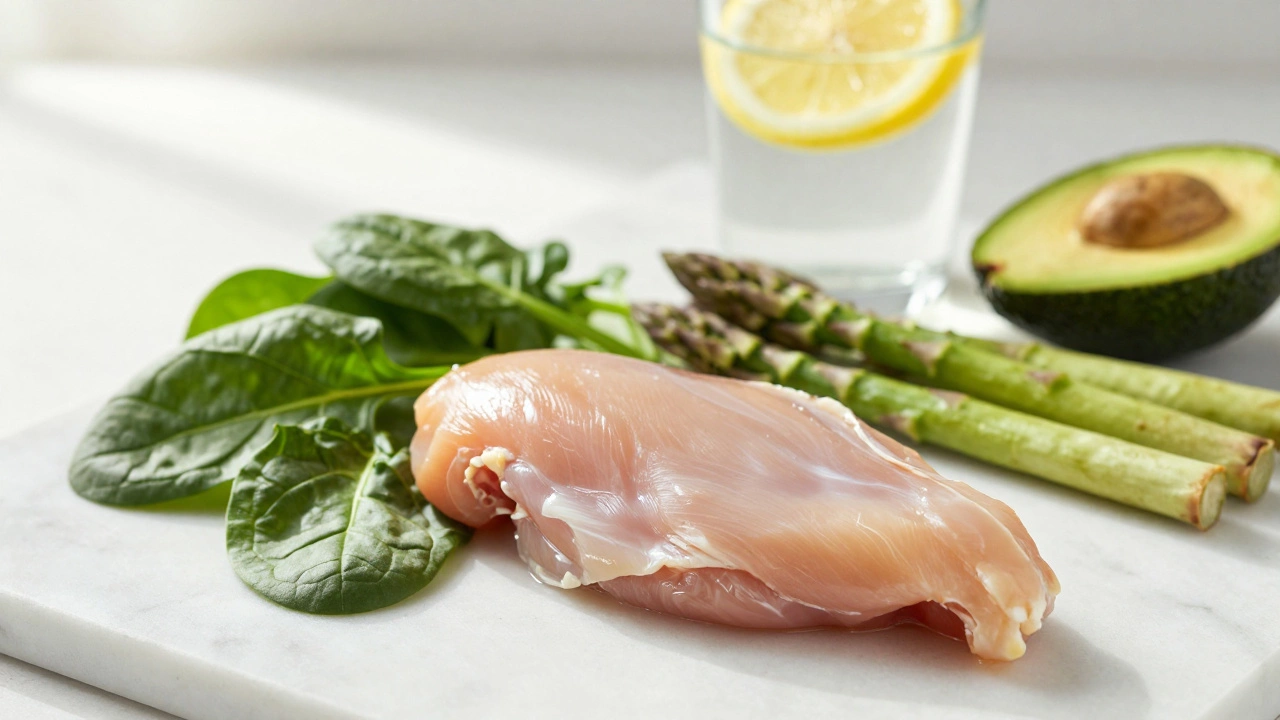
| Protein | Chicken breast, white fish, egg whites, tofu, Greek yogurt | Fatty cuts of red meat, processed meats (bacon, sausages) |
| Carbohydrates | Broccoli, spinach, kale, asparagus, zucchini | Bread, pasta, rice, potatoes, sugary cereals |
| Fats | Avocado (in moderation), olive oil, nuts (small handfuls) | Fried foods, creamy sauces, butter, margarine |
| Liquids | Water, black coffee, green tea, sparkling water | Alcohol, soda, fruit juice, sweetened energy drinks |
Why this works: By cutting out refined carbs and sugar, you lower your insulin levels. When insulin drops, your body switches from burning glucose to burning stored fat. Alcohol is particularly damaging during these two weeks because it stops fat oxidation completely while your liver processes the ethanol. One beer can pause your fat-burning engine for hours.
Hydration is non-negotiable. Aim for 2.5 to 3 liters of water daily. Sometimes, thirst masks itself as hunger. Drinking water before meals also helps you feel fuller, naturally reducing calorie intake without conscious effort.
Exercise Strategy: Move Smart, Not Just Hard
Since we only have 14 days, steady-state cardio like walking on a treadmill for an hour won’t give you the dramatic results you want. You need to spike your metabolism and keep it elevated. Here is the most effective exercise protocol for rapid belly fat loss.
1. High-Intensity Interval Training (HIIT)
HIIT is a training method that alternates between short bursts of intense anaerobic exercise and less intense recovery periods. This approach triggers "excess post-exercise oxygen consumption" (EPOC), meaning your body continues burning calories at a higher rate for up to 24 hours after the workout.
The 2-Week HIIT Routine:
- Frequency: 3 times per week (e.g., Monday, Wednesday, Friday).
- Duration: 20 minutes total.
- Structure: Warm up for 5 minutes. Then, perform 30 seconds of all-out effort followed by 60 seconds of rest. Repeat for 15 minutes. Cool down for 5 minutes.
- Movements: Burpees, mountain climbers, jump squats, high knees, and sprinting in place. These compound movements engage multiple muscle groups, including your core.
2. Strength Training for Core Stability
While crunches don’t burn belly fat, building the muscles underneath it tightens your appearance. Think of it like putting a deflated balloon over a rigid ball versus a soft pillow. Stronger abs pull your stomach in tighter.
Incorporate these moves twice a week:
- Planks: Hold for 60 seconds. Focus on squeezing your glutes and pulling your navel toward your spine. This engages the transverse abdominis, your body’s natural corset.
- Dead Bugs: Lie on your back, arms extended toward the ceiling, legs in tabletop position. Lower opposite arm and leg slowly. This protects your lower back while targeting deep core stability.
- Squats and Lunges: Large lower-body movements burn more calories than isolated ab exercises and release growth hormone, which aids fat loss.
3. Daily Non-Exercise Activity Thermogenesis (NEAT)
This is the secret weapon most people ignore. NEAT refers to the calories you burn doing everything that isn’t sleeping, eating, or sports-like exercise. For many people, this accounts for more daily calorie expenditure than their actual workout.
Action Step: Aim for 10,000 steps daily. Take the stairs. Park further away. Walk while talking on the phone. This constant low-level movement keeps your metabolism humming without stressing your body, which is crucial when you’re already doing HIIT.

Sleep and Stress: The Hidden Saboteurs
You can eat perfectly and train hard, but if you sleep five hours a night and live in a state of chronic stress, your belly fat will remain. Here is why:
Cortisol Connection: When you are stressed or sleep-deprived, your adrenal glands produce cortisol. Elevated cortisol signals your body to break down protein for energy, which can lead to muscle loss. More importantly, it promotes the storage of visceral fat. Studies show that people who sleep less than six hours a night are significantly more likely to gain abdominal fat compared to those who sleep seven to eight hours.
Your Sleep Protocol:
- Go to bed at the same time every night.
- Keep your room cool (around 18°C / 65°F) and dark.
- Avoid screens for one hour before bed. Blue light suppresses melatonin, the sleep hormone.
- If you wake up anxious, try box breathing: inhale for 4 seconds, hold for 4, exhale for 4, hold for 4. Repeat for five minutes.
Sample 2-Day Schedule
To make this actionable, here is how a typical day looks during this two-week challenge.
Monday (HIIT Day):
- 7:00 AM: Glass of water with lemon. Black coffee.
- 8:00 AM: Breakfast: Scrambled eggs with spinach and a small portion of berries.
- 12:30 PM: Lunch: Grilled chicken salad with olive oil dressing (no croutons).
- 5:30 PM: Pre-workout snack: Apple slices with almond butter.
- 6:00 PM: 20-minute HIIT session.
- 7:30 PM: Dinner: Baked salmon with steamed broccoli and quinoa.
- 10:30 PM: Lights out.
Tuesday (Rest/Light Activity Day):
- 7:00 AM: Water and green tea.
- 8:00 AM: Breakfast: Greek yogurt with chia seeds.
- 12:30 PM: Lunch: Leftover salmon and broccoli.
- Afternoon: 30-minute brisk walk outside.
- 6:00 PM: Core strength circuit (planks, dead bugs) - 15 minutes.
- 7:30 PM: Dinner: Stir-fried tofu with mixed vegetables (low-sodium soy sauce).
- 10:30 PM: Lights out.
What to Expect Week by Week
Week 1: You will likely lose 1-2 kg (2-4 lbs). Most of this initial weight loss is water weight as your glycogen stores deplete from cutting carbs. Your face may look slimmer, and your clothes might feel looser around the waist. You might feel slightly fatigued as your body adapts to lower sugar intake.
Week 2: The real fat burning kicks in. You should see another 0.5-1 kg (1-2 lbs) of actual fat loss. Your digestion will improve, leading to less bloating, which makes your stomach appear flatter. Energy levels typically stabilize and even increase as your body becomes efficient at burning fat.
Common Pitfalls to Avoid
Starving Yourself: Eating too few calories slows your metabolism. Your body goes into "conservation mode," holding onto fat. Aim for a moderate deficit of 300-500 calories below your maintenance level, not zero-calorie days.
Ignoring Protein: Protein has a high thermic effect, meaning your body burns more calories digesting it than fats or carbs. It also preserves muscle mass. Without muscle, your metabolism drops.
Overdoing Cardio: Doing HIIT every day leads to burnout and injury. Rest days are when your body repairs and rebuilds. Respect them.
Expecting Perfection: One slice of pizza won’t ruin your progress, but it will set you back a day. If you slip up, don’t quit. Get back on track with the very next meal.
Conclusion: Beyond the Two Weeks
Two weeks is a jumpstart, not a cure-all. The habits you build now-prioritizing whole foods, moving intensely, managing stress, and sleeping well-are the keys to long-term success. Belly fat is often the last to leave and the first to return if you revert to old habits. Use this two-week period to reset your relationship with food and movement. Once you see the results, maintaining them becomes easier because you’ll know exactly what works for your body.
Can I really lose belly fat in just 2 weeks?
Yes, you can lose a noticeable amount of belly fat and bloat in two weeks, but it requires strict adherence to diet and exercise. Most of the initial change comes from reduced water retention and inflammation, followed by actual fat loss. Realistic expectations are key: aim for 1-2 inches off your waistline, not a complete transformation.
Does drinking apple cider vinegar help lose belly fat?
Apple cider vinegar may have minor benefits for blood sugar control, which can indirectly support fat loss. However, it is not a magic bullet. No supplement can replace the impact of a caloric deficit and regular exercise. Focus on whole foods instead of relying on trendy supplements.
Should I avoid all carbohydrates to lose belly fat quickly?
You don’t need to eliminate all carbs, but you should drastically reduce refined sugars and starches like bread and pasta. Focus on fiber-rich vegetables which provide energy without spiking insulin. Complex carbs like quinoa or sweet potato can be included in small portions, especially around workouts.
Why am I losing weight but my belly fat isn't going away?
This is common due to genetics and hormones. Some people store fat preferentially in their abdomen. Additionally, bloating from digestive issues or high sodium intake can mask fat loss. Ensure you are eating enough protein and staying hydrated to minimize water retention.
Is it safe to lose weight this fast?
Losing 1-2 kg per week is generally considered safe for most healthy adults. Rapid weight loss beyond this can lead to muscle loss, nutrient deficiencies, and gallstones. Always listen to your body and consult a healthcare provider if you have underlying health conditions.